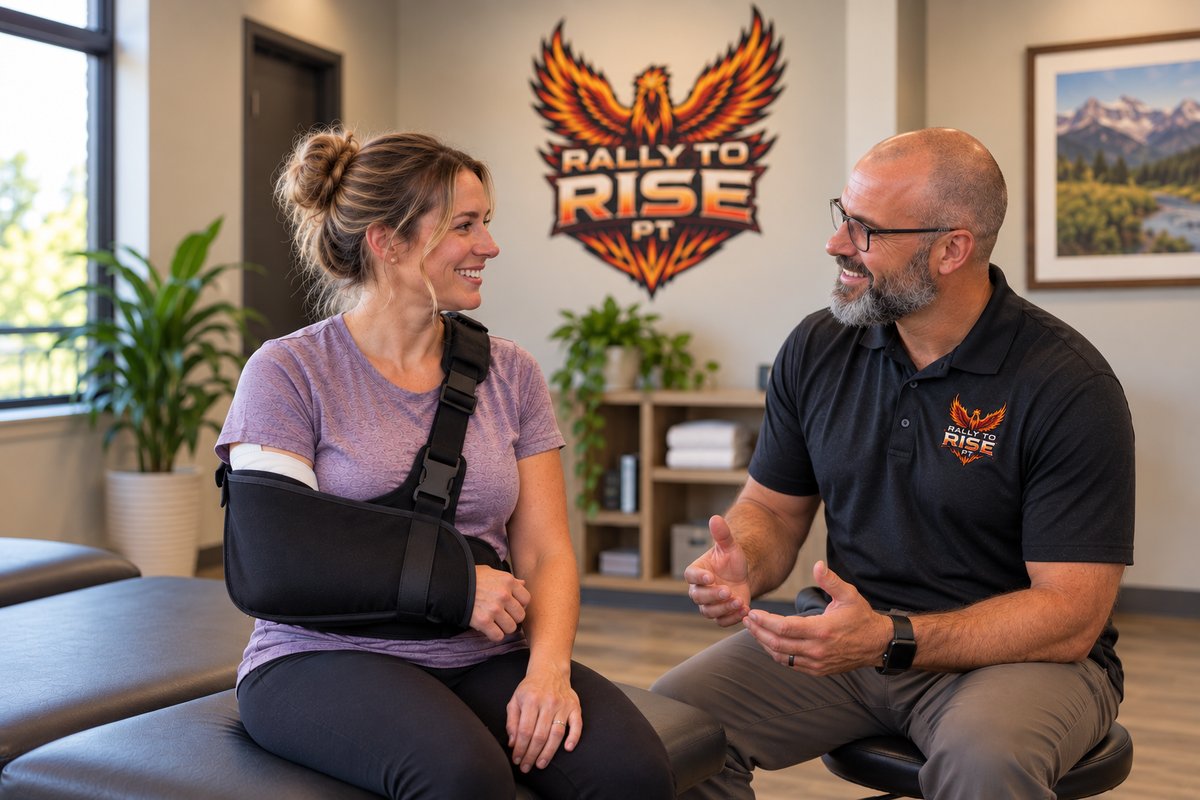
Shoulder pain can develop from repetitive overhead activities, lifting, sports, age-related changes, or a sudden injury. The rotator cuff, a group of four muscles and their tendons, helps stabilize the shoulder and control arm movement. Problems such as rotator cuff tendinopathy, partial or complete tears, and irritation of the surrounding bursa can cause pain, weakness, and difficulty with everyday activities. Shoulder impingement, which occurs when structures in the shoulder become irritated during arm movement, may also contribute to pain when reaching overhead or lifting your arm away from your body. Other conditions, including arthritis and stiffness of the shoulder joint, can further limit mobility and function. Understanding what's contributing to your symptoms is an important first step in determining the most appropriate treatment and helping you return to your normal activities.
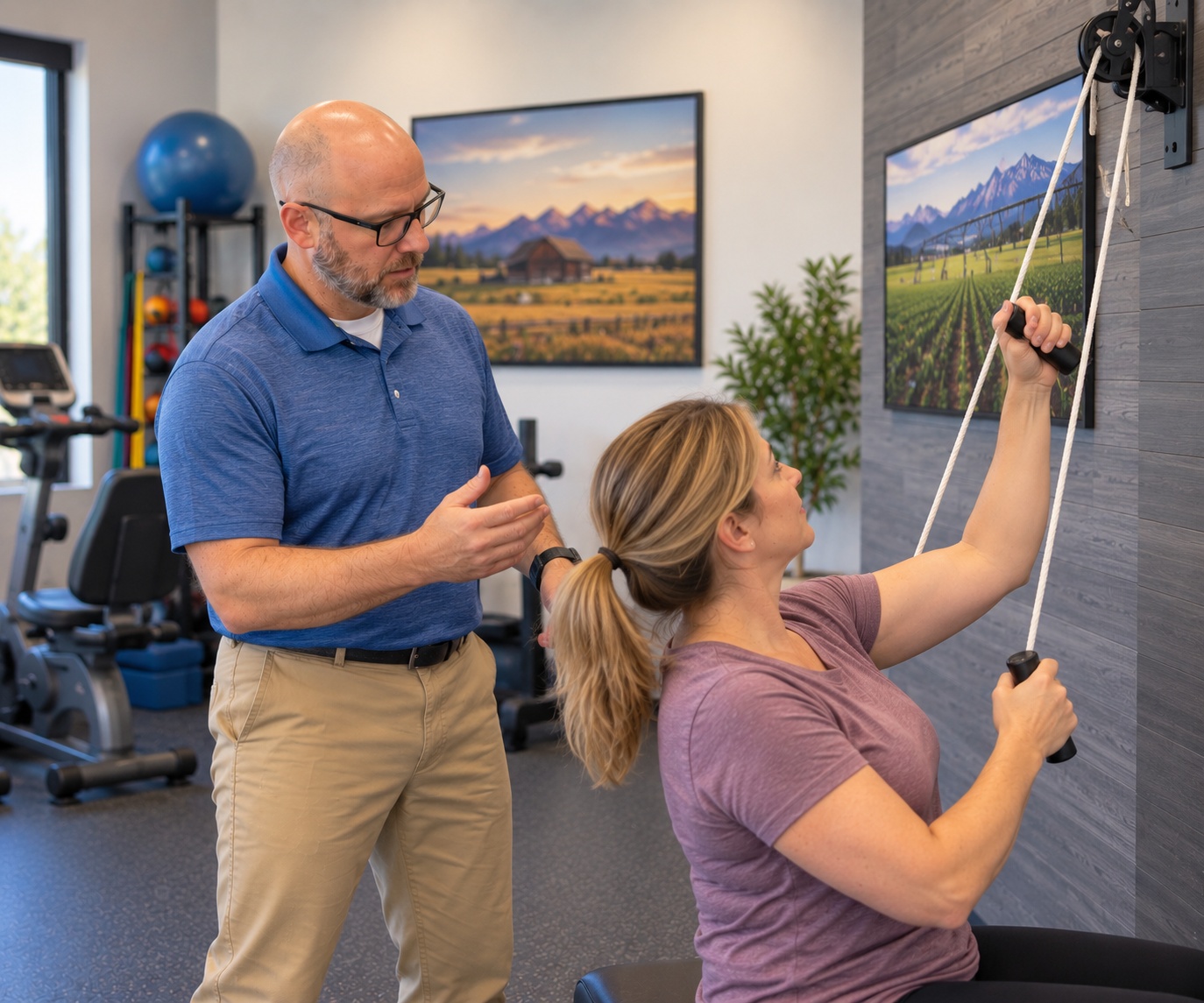
Rotator cuff and shoulder problems can cause pain when reaching overhead, lifting objects, reaching behind your back, or lying on the affected side. You may also experience weakness, stiffness, reduced range of motion, or difficulty with everyday tasks like getting dressed, washing your hair, or reaching into a cabinet. Persistent pain, worsening weakness, or difficulty using your arm are good reasons to seek a physical therapy evaluation. Your physical therapist can assess your symptoms and function to help determine whether physical therapy may be beneficial or whether further evaluation by an orthopedic specialist is appropriate. Some shoulder injuries may require additional medical treatment, and we can help coordinate with your medical provider when needed. Sudden severe pain after an injury or an inability to raise your arm warrants prompt medical assessment.
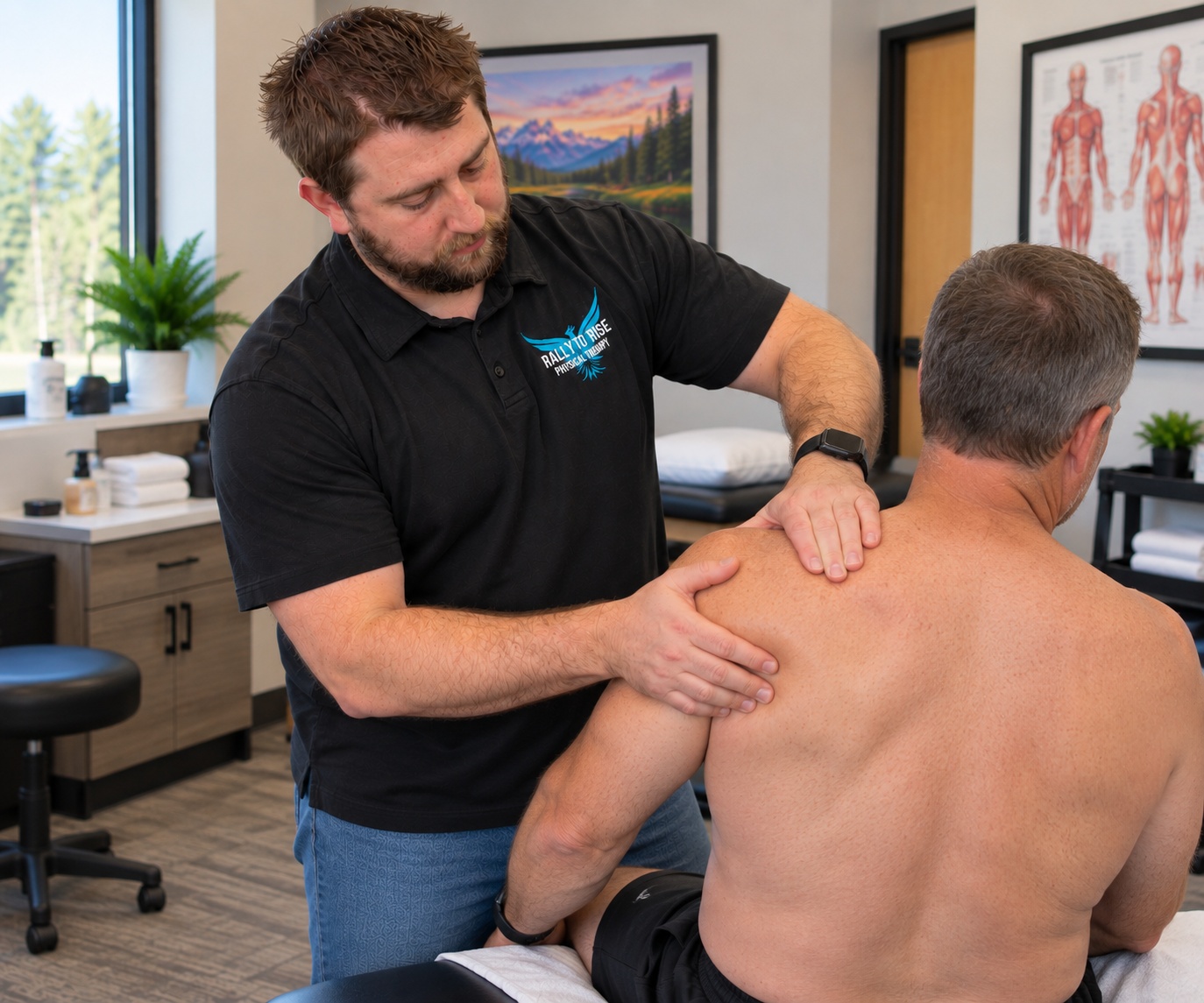
Physical therapy can help reduce shoulder pain, improve mobility, and rebuild strength and control. Your treatment may include individualized exercises, mobility work, activity modifications, and hands-on techniques when appropriate. For patients recovering from rotator cuff surgery, we provide rehabilitation tailored to the surgeon's protocol and each stage of healing, helping restore movement and strength safely. If your symptoms suggest that physical therapy alone may not be the best approach, we can recommend further medical evaluation and coordinate with an orthopedic surgeon when appropriate. At Rally to Rise Physical Therapy, we tailor care to your symptoms, recovery, and goals so you can return to work, exercise, sports, and everyday activities with greater confidence.