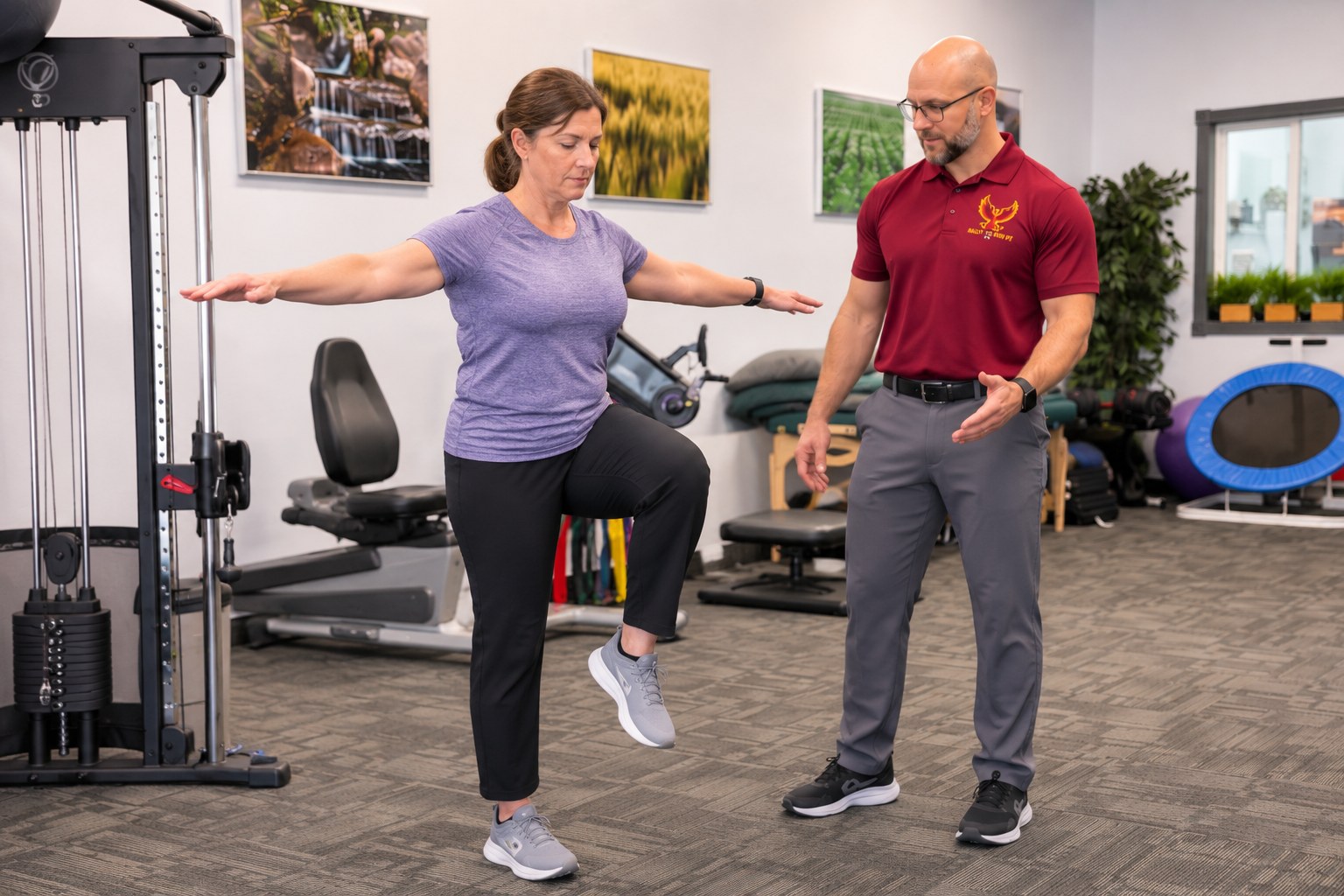
MS occurs when the immune system mistakenly attacks myelin, the protective covering surrounding nerve fibers in the brain and spinal cord. This can disrupt communication between the brain and body, affecting movement, sensation, coordination, and other functions. The condition affects everyone differently, and symptoms may vary in severity and frequency. Some individuals experience periods of increased symptoms followed by improvement, while others experience more gradual changes over time. Depending on which areas of the nervous system are affected, people with MS may experience difficulty walking, muscle tightness or spasms, changes in sensation, or reduced coordination. These symptoms can make activities such as walking on uneven surfaces, navigating stairs, or maintaining balance more challenging. Understanding how MS affects an individual's movement and daily activities is an important part of developing an appropriate rehabilitation plan.
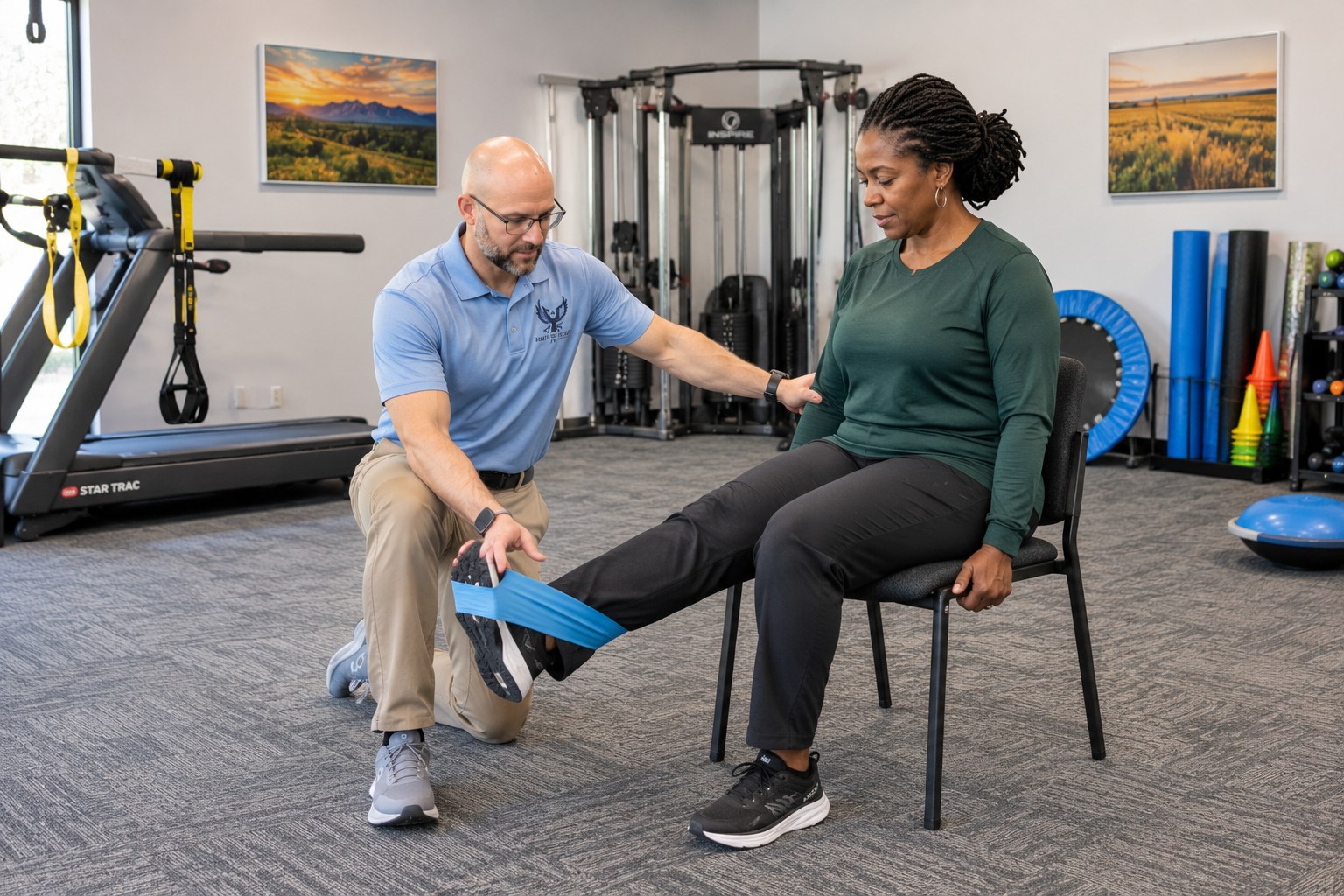
Physical therapy can help address many of the movement-related challenges associated with MS. Treatment may include strengthening exercises, balance training, walking activities, flexibility exercises, and coordination work. Therapy can also help improve endurance and develop strategies for managing fatigue. Exercise intensity and activity levels should be adjusted to each individual's abilities, symptoms, and tolerance, with attention to avoiding overheating and excessive fatigue. A physical therapist can also help identify movement limitations and develop exercises that target specific areas of weakness or difficulty. For some individuals, this may involve improving leg strength and walking mechanics, while others may benefit more from balance activities, flexibility work, or exercises that make everyday movements easier. Treatment is not about pushing through symptoms, but rather finding an appropriate level of activity that supports function without unnecessarily increasing fatigue.
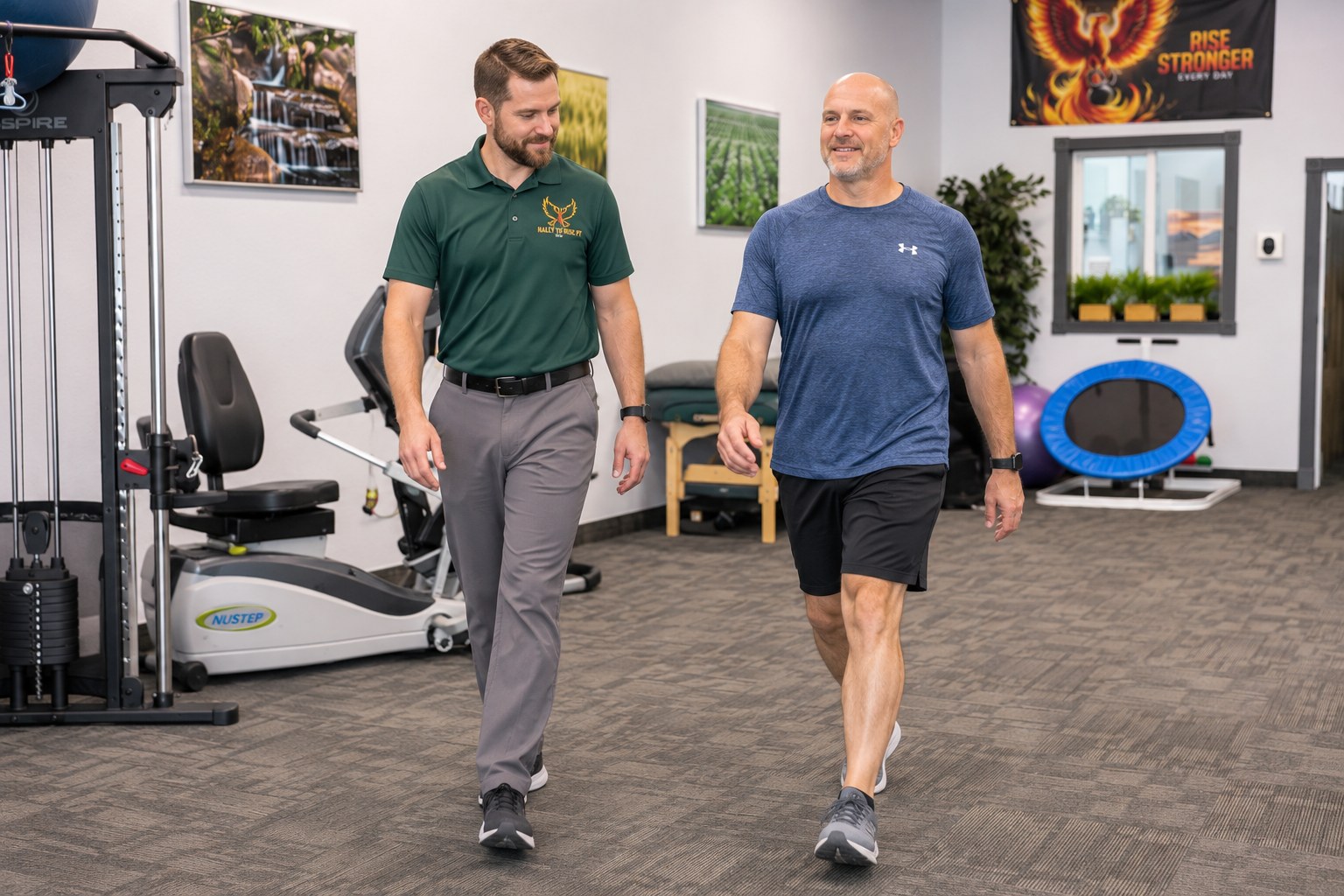
As MS symptoms change, everyday activities such as walking, climbing stairs, getting dressed, or getting up from a chair may become more challenging. Physical therapy focuses on maintaining functional abilities and helping individuals remain as independent as possible. Treatment may include gait training, fall prevention strategies, recommendations for appropriate assistive devices, and exercises designed to support daily activities. Improving balance and lower-body strength can help make walking and transfers safer and more manageable. Physical therapists can also help patients develop strategies for navigating obstacles, conserving energy, and adapting activities when symptoms fluctuate. When appropriate, recommendations for mobility aids or other equipment may help individuals participate more safely in their daily routines. The goal is to help each person maintain the highest possible level of function and participation in the activities that matter to them.