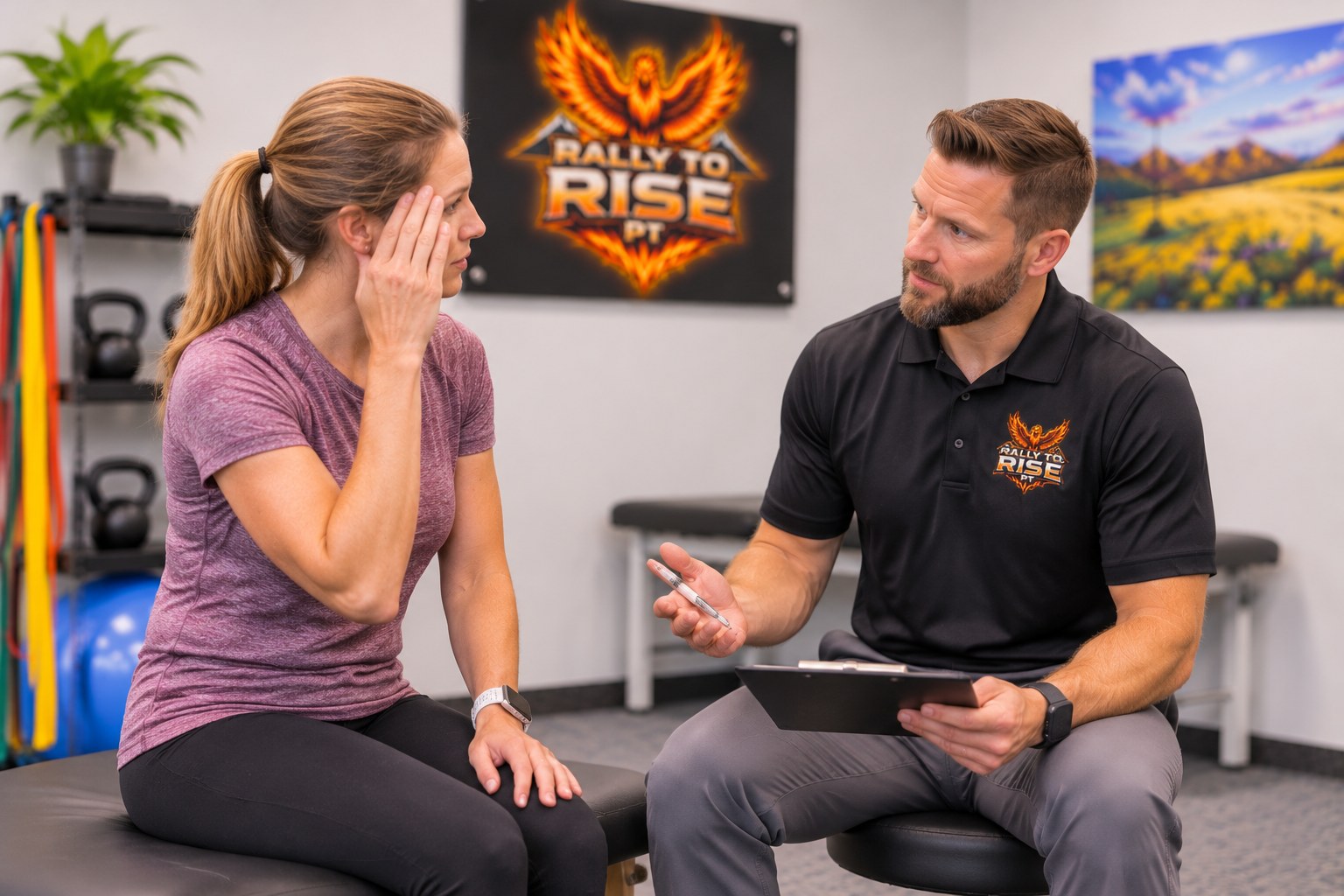
A concussion occurs when an impact or sudden movement causes the brain to move rapidly inside the skull. This can happen during sports, falls, motor vehicle accidents, or other injuries involving the head or body. A person does not have to lose consciousness to sustain a concussion, and symptoms may not appear immediately after the injury. A concussion can temporarily affect how the brain processes information and coordinates different body systems. This may interfere with balance, vision, coordination, concentration, and tolerance for physical activity. Some people recover relatively quickly, while others experience symptoms that persist for weeks or longer. Although concussions are classified as mild traumatic brain injuries, their effects should not be dismissed. Symptoms can interfere with school, work, exercise, driving, and everyday activities. Proper evaluation and an individualized recovery plan can help guide a safe return to normal routines.
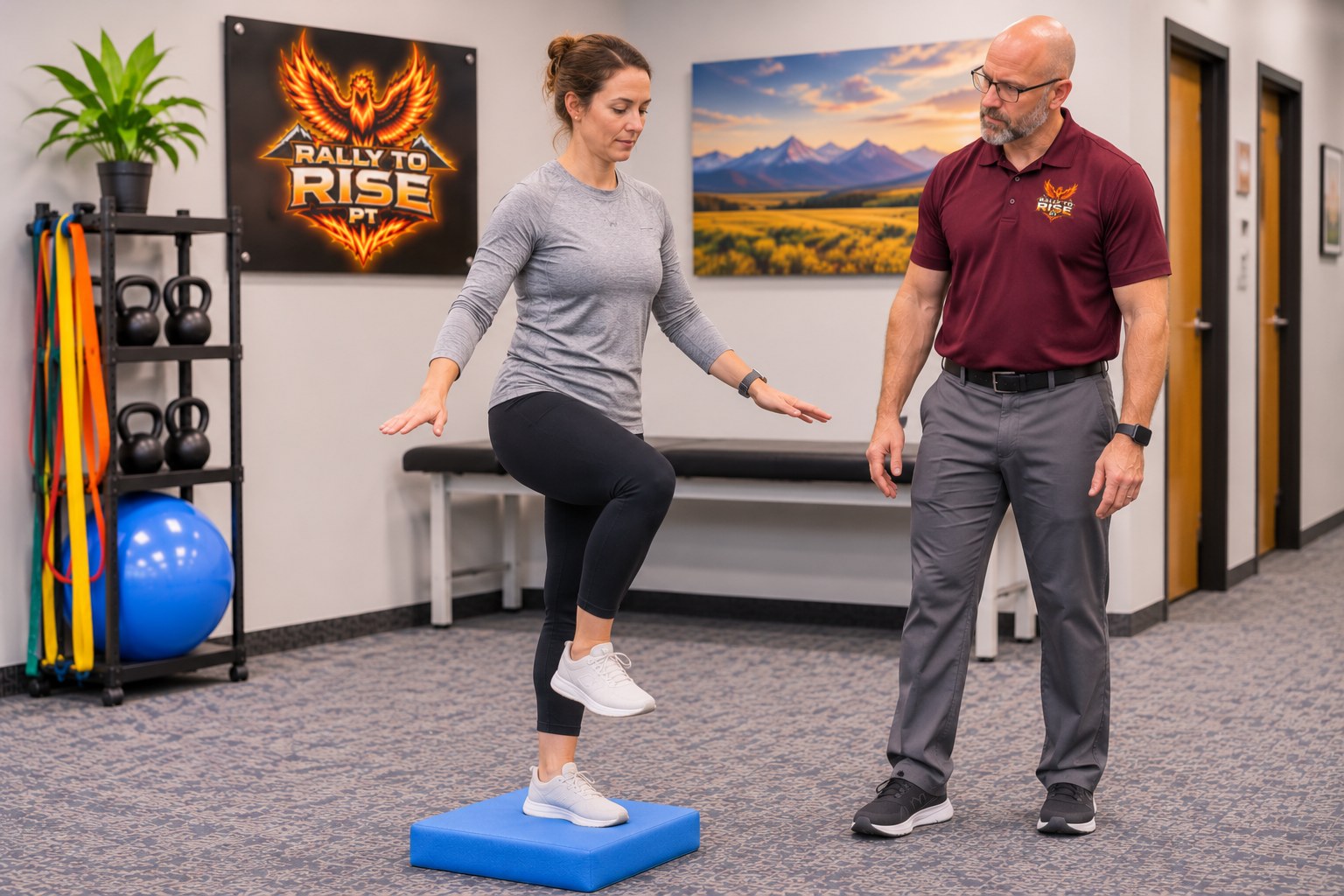
Concussion symptoms can vary widely depending on the individual and the nature of the injury. Headaches, dizziness, nausea, fatigue, and difficulty concentrating are common complaints. Some people also experience sensitivity to light or noise, blurred vision, difficulty focusing their eyes, or a feeling of being mentally foggy. Balance and coordination problems can make walking, turning, or moving through busy environments more difficult. Certain head movements or changes in position may trigger dizziness or nausea. Neck pain and stiffness may also occur, particularly when a concussion happens alongside a whiplash-type injury. Some symptoms become more noticeable when returning to school, work, exercise, or activities that require prolonged concentration. Physical activity may also bring on headaches, dizziness, or fatigue when the body is not yet tolerating those demands. Recognizing which symptoms are present and what activities aggravate them helps guide appropriate rehabilitation.
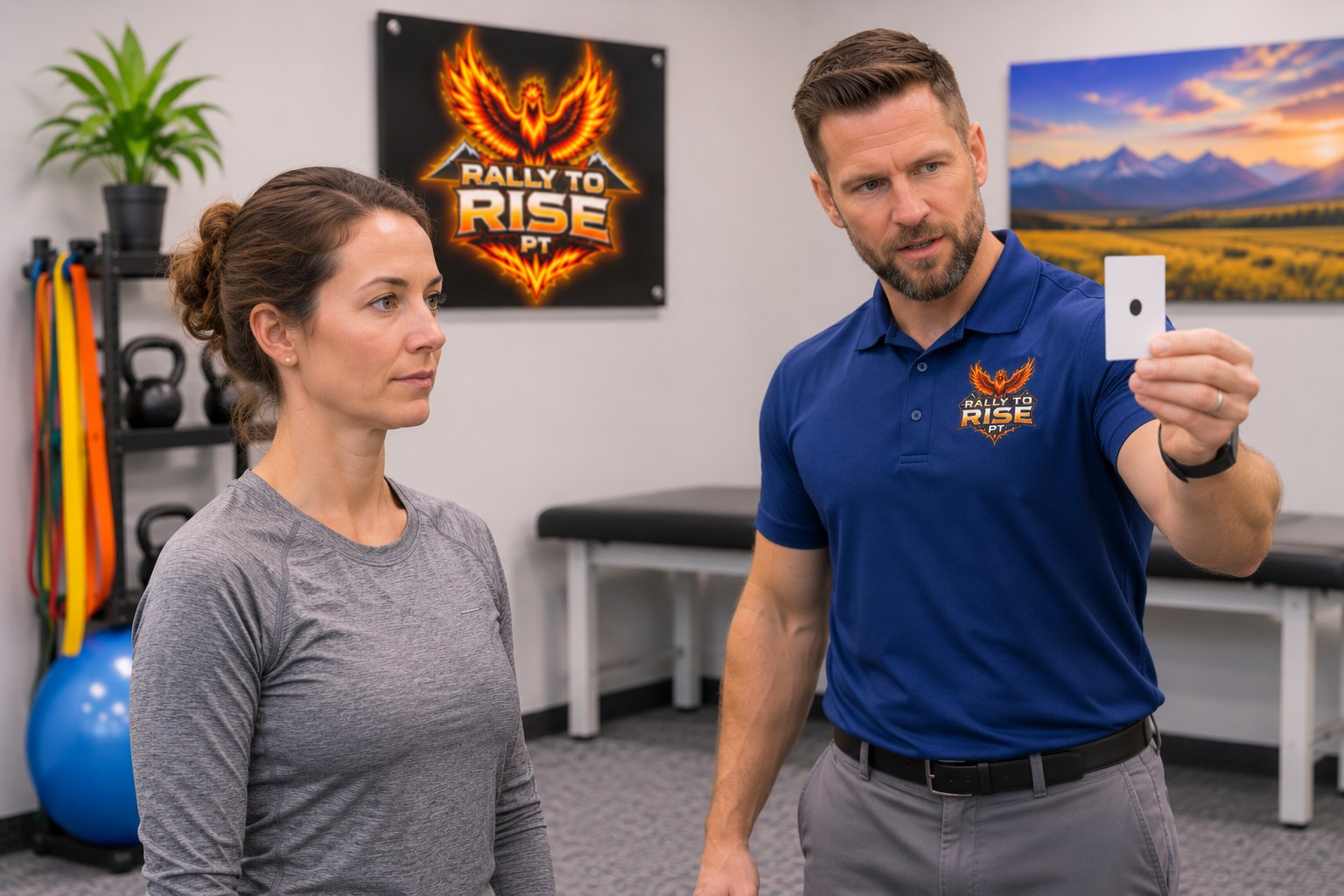
Physical therapy can play an important role in recovery when physical symptoms persist after a concussion. Treatment is based on the patient's symptoms, examination findings, activity tolerance, and individual goals. Not everyone needs the same exercises or rehabilitation approach. Depending on the patient's needs, treatment may include vestibular rehabilitation to address dizziness and balance problems, gaze stabilization exercises to improve visual stability during head movement, and coordination activities to improve control during walking and everyday movement. When neck pain or stiffness is contributing to symptoms, treatment may also include cervical mobility exercises, strengthening, and appropriate manual therapy. Exercise tolerance can be another important part of concussion rehabilitation. Some patients develop symptoms with even modest physical activity. A carefully progressed exercise program can help improve tolerance while monitoring symptoms and avoiding excessive symptom aggravation. Treatment may also include gradual progression toward activities such as walking, jogging, recreational exercise, or sport-specific movements when appropriate. The goal is to address the physical limitations that interfere with daily life and help patients return to school, work, recreation, and athletics safely. Rehabilitation should progress according to the patient's response and in coordination with their medical provider when needed.