
Fibromyalgia is a chronic condition that affects how the nervous system processes pain signals. People with fibromyalgia often experience widespread pain and tenderness throughout the body, even when there is no obvious injury or tissue damage. The nervous system becomes more sensitive to sensations, causing normally tolerable activities or pressure to feel uncomfortable or painful. Symptoms can vary significantly from person to person and may include widespread muscle pain, persistent fatigue, morning stiffness, headaches, sleep disturbances, and increased sensitivity to touch, pressure, temperature, or noise. Many people also experience difficulty concentrating or remembering things, commonly referred to as "fibro fog." The exact cause of fibromyalgia is not fully understood, but research suggests that changes in how the brain and spinal cord process pain signals play an important role. Genetics, physical or emotional stress, illness, injuries, and disrupted sleep may also contribute to the development of symptoms. Fibromyalgia can make everyday activities challenging and unpredictable. Tasks such as grocery shopping, household chores, walking for extended periods, working, or participating in recreational activities may become exhausting or uncomfortable. Symptoms can fluctuate from day to day, making it difficult to know how much activity the body will tolerate. Over time, decreased activity can contribute to additional weakness, stiffness, and reduced endurance.
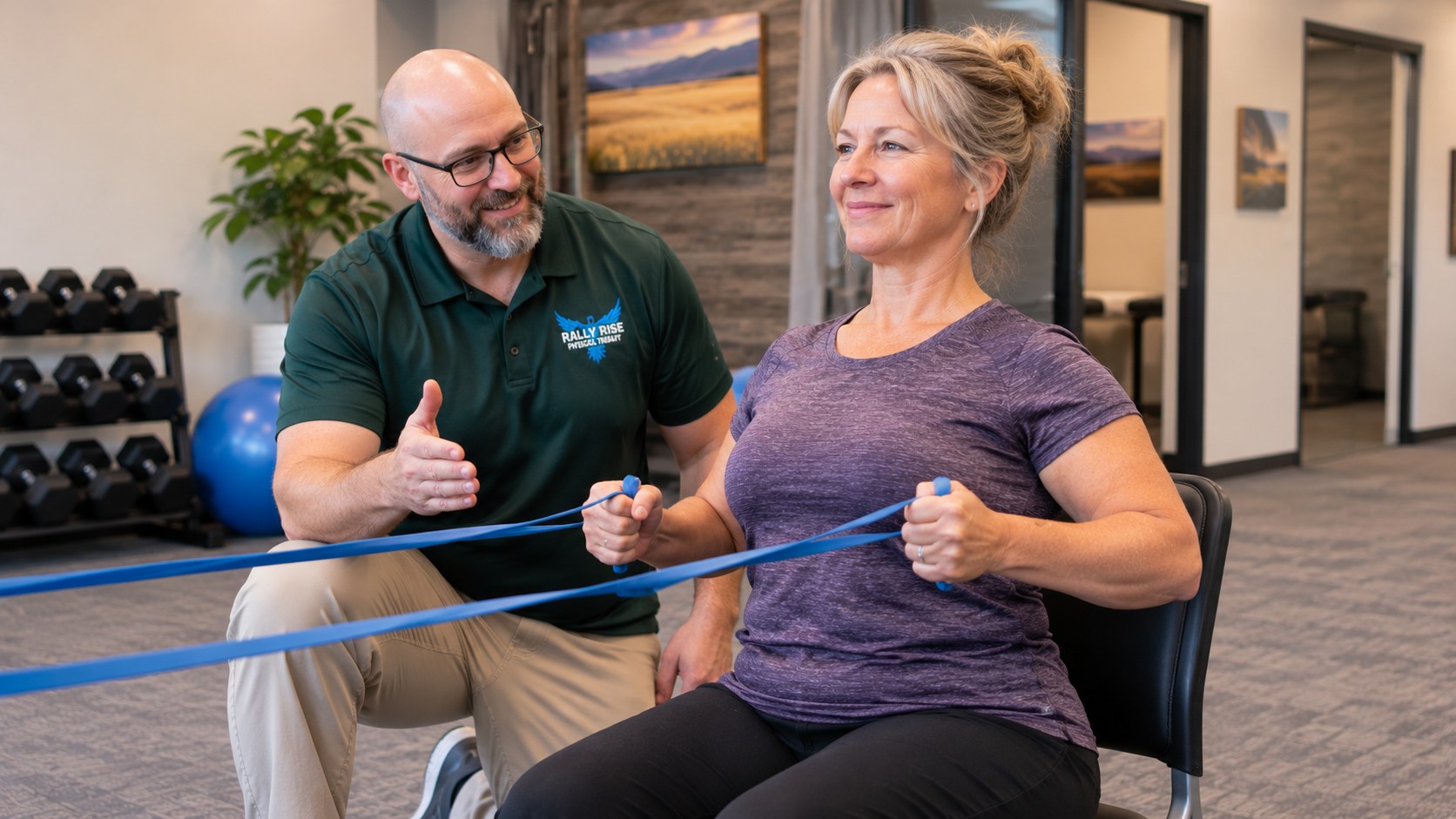
Physical therapy can help individuals with fibromyalgia improve their ability to move, stay active, and participate in everyday activities. Treatment focuses on gradually improving strength, flexibility, mobility, and endurance while respecting the increased pain sensitivity and fatigue associated with the condition. A carefully progressed exercise program can help improve physical function and build confidence in movement without overwhelming the body. A physical therapist can help develop an individualized exercise program that begins at an appropriate level and gradually progresses as tolerance improves. Low-impact activities such as walking, stationary cycling, and gentle strengthening exercises can help improve cardiovascular fitness, muscle function, and overall activity tolerance. Finding the right starting point is especially important, as doing too much too quickly can contribute to increased symptoms and prolonged recovery. Physical therapy can also address muscle stiffness, restricted mobility, and areas of discomfort through gentle stretching, mobility exercises, manual therapy, and other appropriate treatment techniques. Treatment may also incorporate education on pacing activities, managing flare-ups, improving movement strategies, and balancing physical activity with adequate recovery. The goal is to help individuals develop sustainable habits that support better function and greater independence over time.
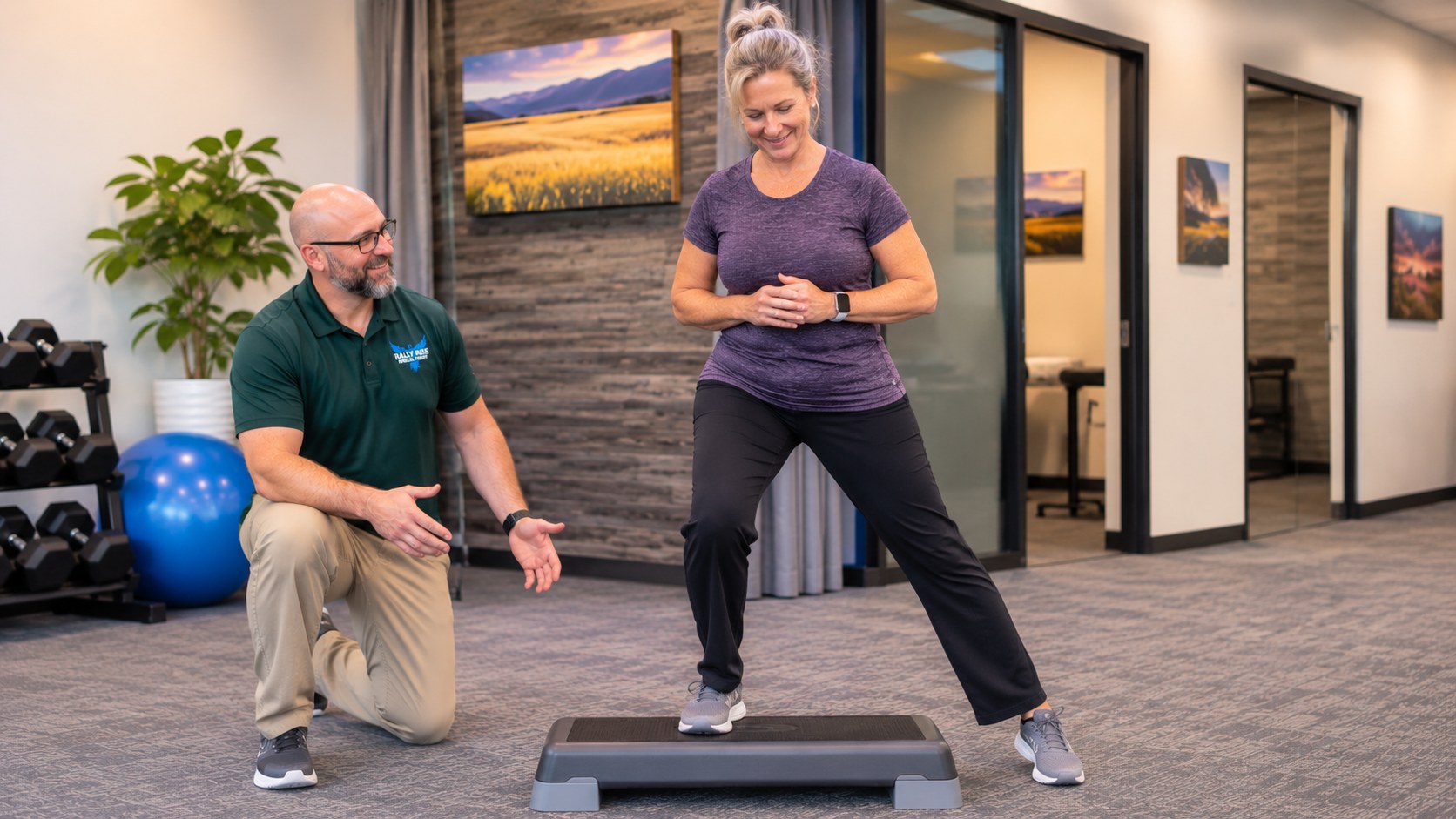
Managing fibromyalgia often requires finding a balance between staying active and allowing the body adequate time to recover. Learning to recognize personal activity limits and gradually building tolerance can help reduce the impact of symptoms on everyday life. Consistency is generally more beneficial than pushing through periods of increased pain or fatigue, and progress may look different from one day to the next. Regular physical activity, adequate sleep, stress management, and healthy daily routines can all play an important role in managing fibromyalgia. Gentle movement throughout the day can help reduce stiffness and prevent the loss of strength and endurance that may occur with prolonged inactivity. Breaking larger tasks into smaller activities, alternating periods of activity and rest, and gradually increasing exercise as tolerated can also make daily responsibilities more manageable. It is important to remember that fibromyalgia affects everyone differently. Some days may bring improved energy and mobility, while others may involve increased pain and fatigue. Working with a physical therapist can help you adjust your activity levels, develop strategies for managing flare-ups, and establish realistic goals based on your individual needs. With the right approach, many people with fibromyalgia can improve their physical function, maintain greater independence, and participate more comfortably in the activities that matter most to them.