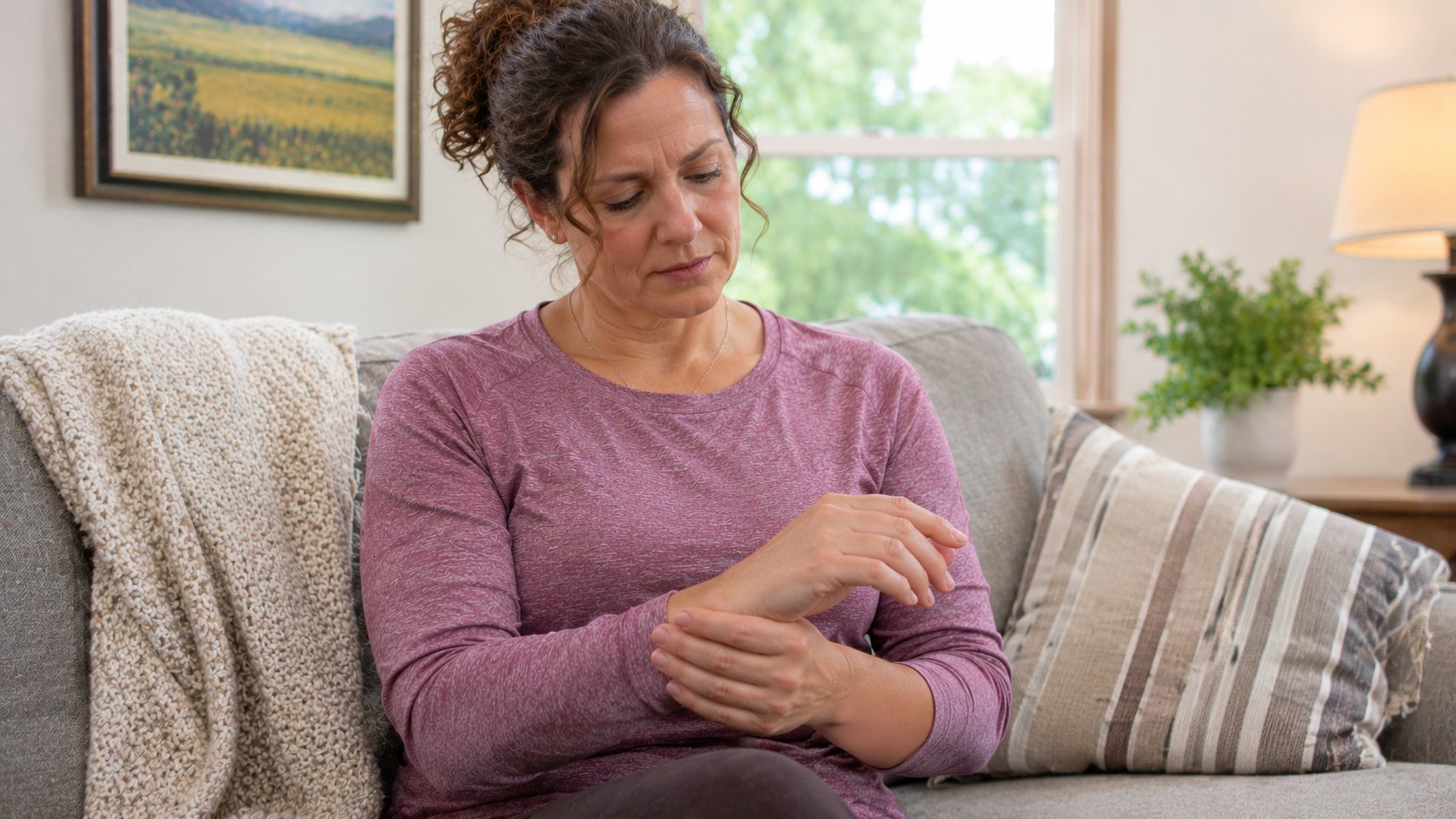
Complex Regional Pain Syndrome (CRPS) is a chronic pain condition that affects the way the nervous system processes pain signals following an injury or other physical trauma. It most commonly develops in an arm, hand, leg, or foot and can cause persistent pain that is disproportionate to the original injury. In some cases, CRPS develops after surgery, a fracture, a sprain, or even a relatively minor injury. The condition is generally classified as CRPS Type I when there is no confirmed major nerve injury and CRPS Type II when a specific nerve injury is identified. One of the distinguishing features of CRPS is that symptoms can extend beyond the original site of injury. Individuals may experience burning, aching, or throbbing pain, along with increased sensitivity to touch, temperature, or pressure. Other symptoms can include swelling, changes in skin color or temperature, excessive sweating, changes in hair or nail growth, and stiffness or reduced movement in the affected limb. Even light contact from clothing, shoes, or bedsheets may become uncomfortable or painful. The exact mechanisms behind CRPS are not completely understood, but research suggests that changes involving the nervous system, inflammatory responses, and pain processing all play a role. The condition can affect individuals differently, with some experiencing relatively localized symptoms while others develop more extensive pain and functional limitations. Symptoms may fluctuate over time and can become increasingly difficult to manage without appropriate care. CRPS can have a significant impact on everyday life. Walking, standing, gripping objects, getting dressed, preparing meals, or performing household chores may become challenging when an affected limb is painful or difficult to move. Some individuals begin avoiding movement because of pain, which can contribute to additional stiffness, weakness, and loss of function. Early recognition and appropriate treatment are important for addressing symptoms and helping individuals maintain as much mobility and independence as possible.
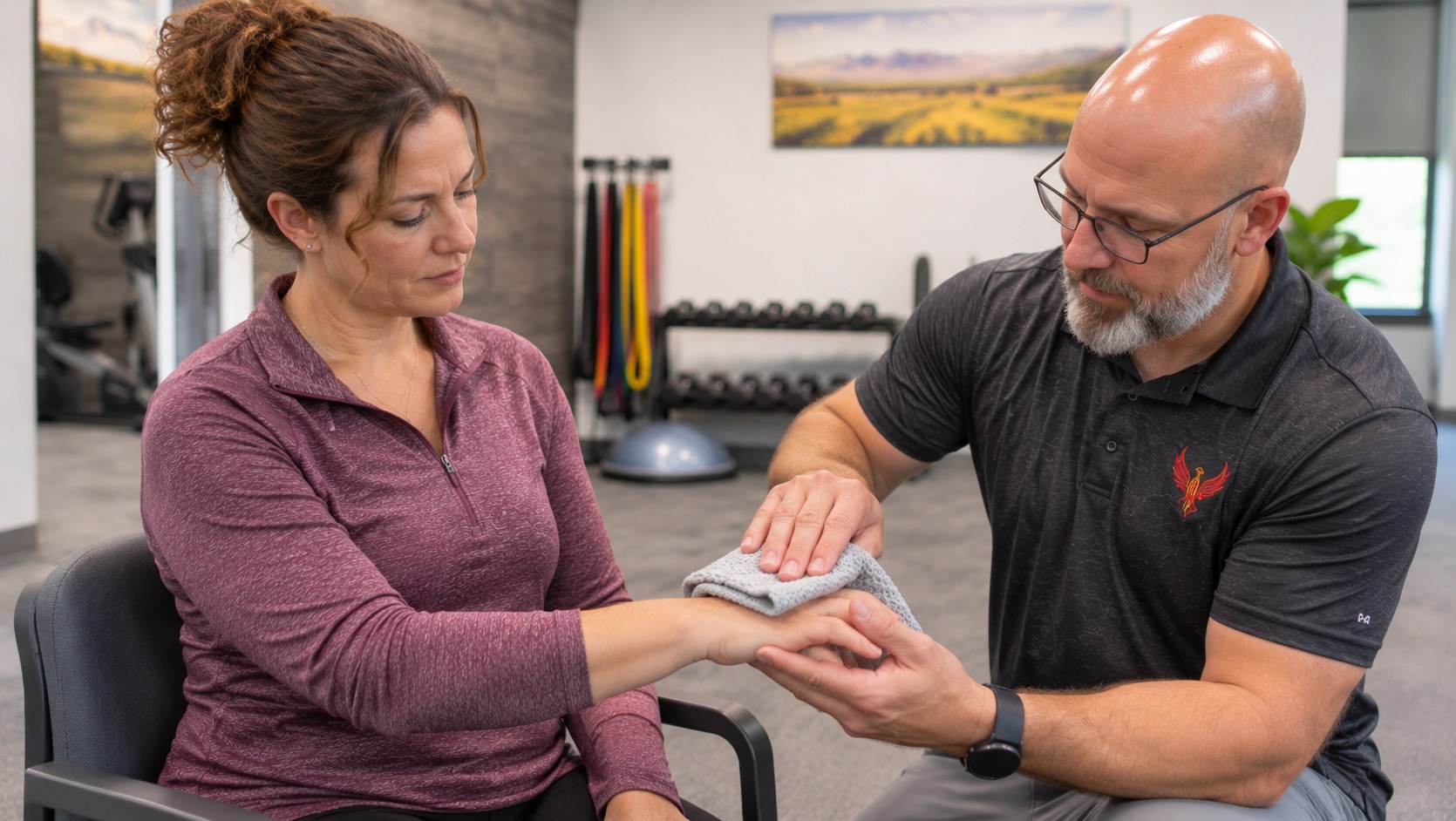
Physical therapy is an important part of managing Complex Regional Pain Syndrome because it focuses on restoring movement, improving functional use of the affected limb, and helping the nervous system gradually become more comfortable with activity. Treatment is carefully individualized based on symptom severity, movement tolerance, and the activities that are most important to each person. The goal is to improve function without repeatedly triggering significant increases in pain. Treatment may include gentle range-of-motion exercises, gradual movement exposure, and desensitization techniques to help reduce sensitivity to touch and movement. Desensitization may involve gradually introducing different textures, pressures, or sensations to the affected area as tolerated. For some individuals, graded motor imagery may also be beneficial. This approach uses techniques such as laterality recognition, imagined movements, and mirror therapy to help address changes in how the brain processes information from the affected limb. As symptoms and activity tolerance allow, treatment may gradually incorporate strengthening, balance training, walking, and functional movement exercises. These activities can help address weakness, stiffness, and movement limitations that develop when an affected limb is used less frequently. For individuals with CRPS affecting the lower extremity, treatment may focus on improving weight-bearing tolerance, walking mechanics, and confidence with standing and moving. When the upper extremity is affected, rehabilitation may emphasize comfortable gripping, reaching, lifting, and using the hand during everyday tasks. Education and activity modification are also important components of rehabilitation. A physical therapist can help identify manageable starting points, adjust activities based on symptom responses, and develop strategies for gradually returning to meaningful daily activities. Treatment should progress at an appropriate pace, avoiding aggressive techniques or exercises that consistently cause significant symptom aggravation. With a thoughtful and individualized approach, physical therapy can help individuals work toward improved mobility, greater functional independence, and increased confidence in using the affected limb.
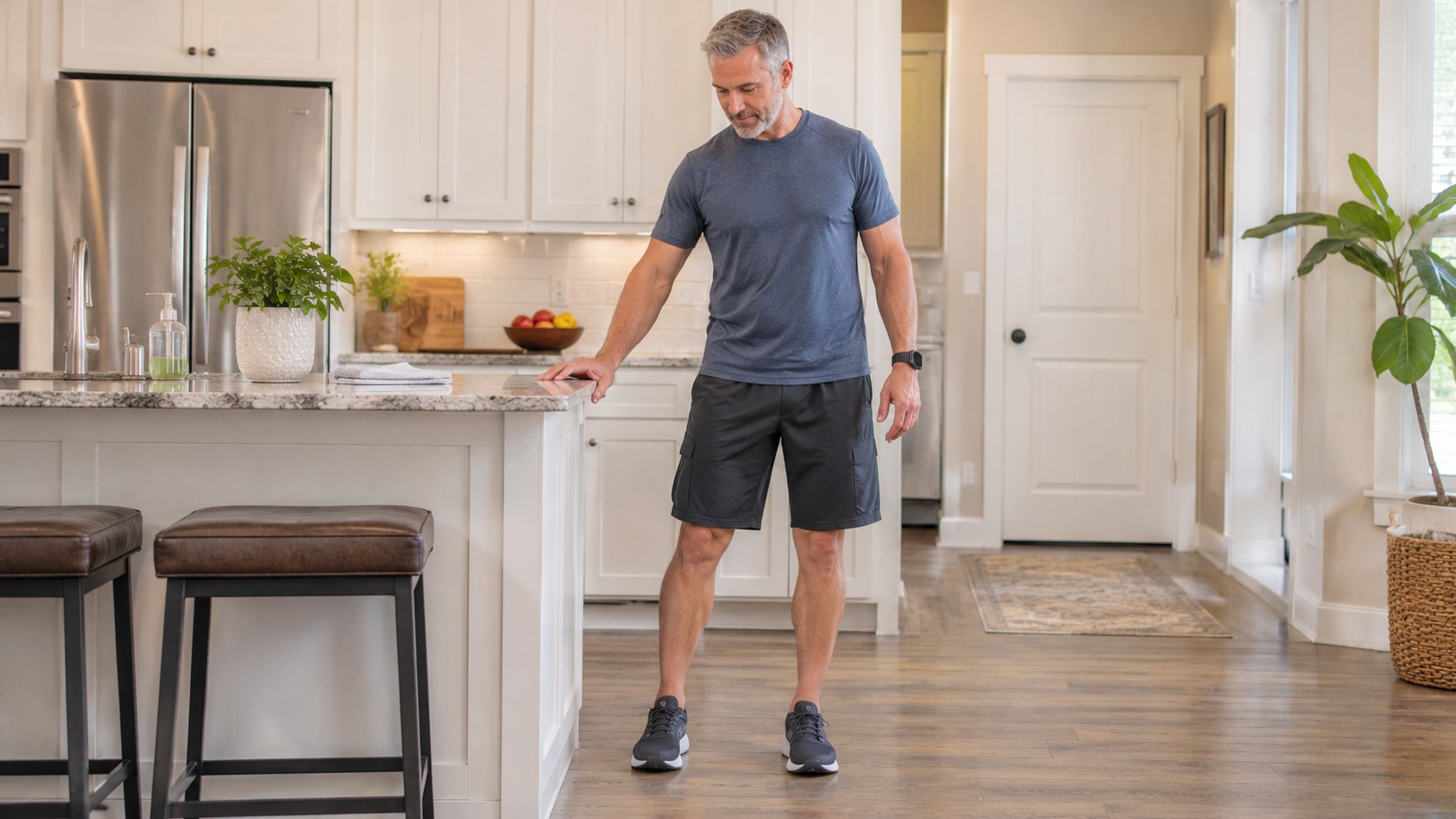
Living with Complex Regional Pain Syndrome often requires finding a balance between staying active and respecting the body's sensitivity to movement and touch. Learning how to manage symptoms, gradually reintroduce activities, and avoid excessive aggravation can help individuals work toward improved daily function. Because CRPS affects everyone differently, activity levels and rehabilitation strategies should be adjusted based on individual tolerance and symptom responses. One important part of managing CRPS is finding ways to remain involved in everyday activities without overwhelming the affected limb. Breaking larger tasks into smaller steps, alternating activities with rest periods, and gradually increasing the amount of movement as tolerated can help make daily responsibilities more manageable. For example, someone with CRPS affecting the hand may benefit from gradually practicing activities such as holding lightweight objects, preparing meals, or completing personal care tasks. Individuals with lower-extremity involvement may work toward improving standing tolerance, walking, and navigating stairs. Maintaining comfortable movement is also important for limiting the stiffness, weakness, and functional limitations that can develop when an affected limb is used less frequently. Gentle movement, appropriate positioning, and carefully progressed functional activities can help support mobility and confidence. Some individuals may also benefit from mirror therapy, graded motor imagery, and continued desensitization exercises as part of their home program. Consistency is important, but activities should never be forced through significant or prolonged increases in symptoms. CRPS management often involves a coordinated approach that may include physical therapy, medical care, and other pain management strategies. Working with healthcare professionals who understand the condition can help individuals develop realistic goals, monitor changes in symptoms, and adjust treatment as needed. With appropriate support and individualized rehabilitation, many people can work toward greater independence and improved participation in the activities that matter most to them.