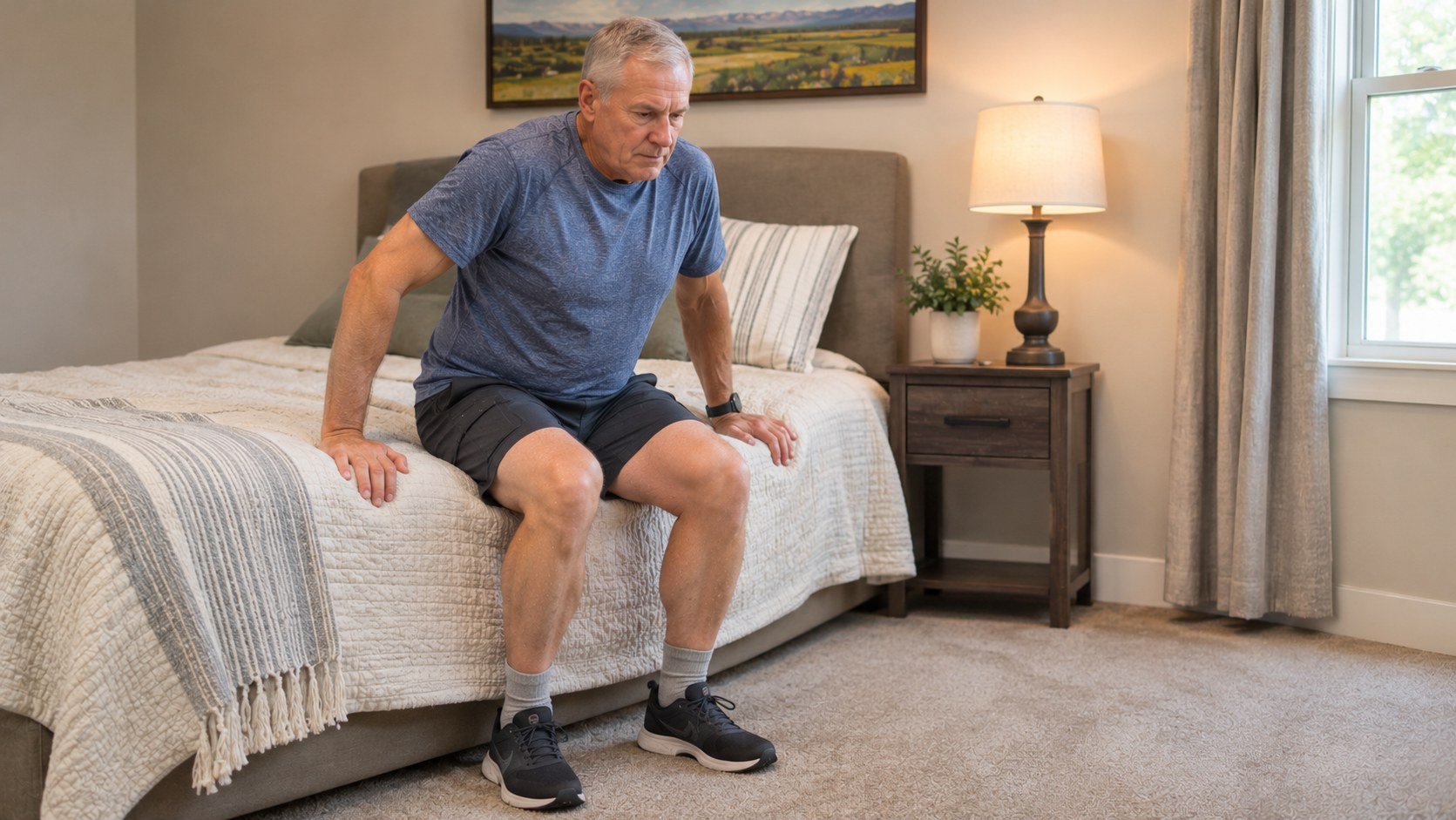
Deconditioning is the decline in physical abilities that occurs when the body does not receive enough regular movement or physical activity to maintain its strength and endurance. Muscles become weaker, cardiovascular fitness can decline, and the body may become less efficient at performing everyday tasks. Deconditioning can happen gradually over months or years, or develop more quickly following hospitalization, surgery, illness, or an injury that limits normal activity. Several factors can contribute to deconditioning. A prolonged hospital stay or recovery period may involve extended time in bed or limited walking. Chronic health conditions, persistent pain, fatigue, and fear of falling can also cause individuals to become less active. Sometimes, a person begins avoiding certain activities because they feel difficult or exhausting, which can lead to further losses in strength and physical capacity over time. The effects of deconditioning often extend beyond muscle weakness. Reduced cardiovascular endurance can make walking or climbing stairs more tiring, while decreased balance and coordination can make moving around the home or community feel less secure. Joint stiffness, reduced flexibility, and difficulty tolerating prolonged standing may also develop. For older adults, these changes can increase dependence on others for everyday activities and make maintaining independence more challenging. One of the most frustrating aspects of deconditioning is how easily it can become a cycle. As physical abilities decline, everyday activities require more effort, which can lead to additional fatigue and less participation in physical activity. Over time, even familiar tasks such as getting dressed, preparing meals, carrying groceries, or walking outside may become increasingly difficult. Recognizing these changes and addressing them with an appropriate rehabilitation plan can help individuals begin rebuilding their physical abilities and confidence.
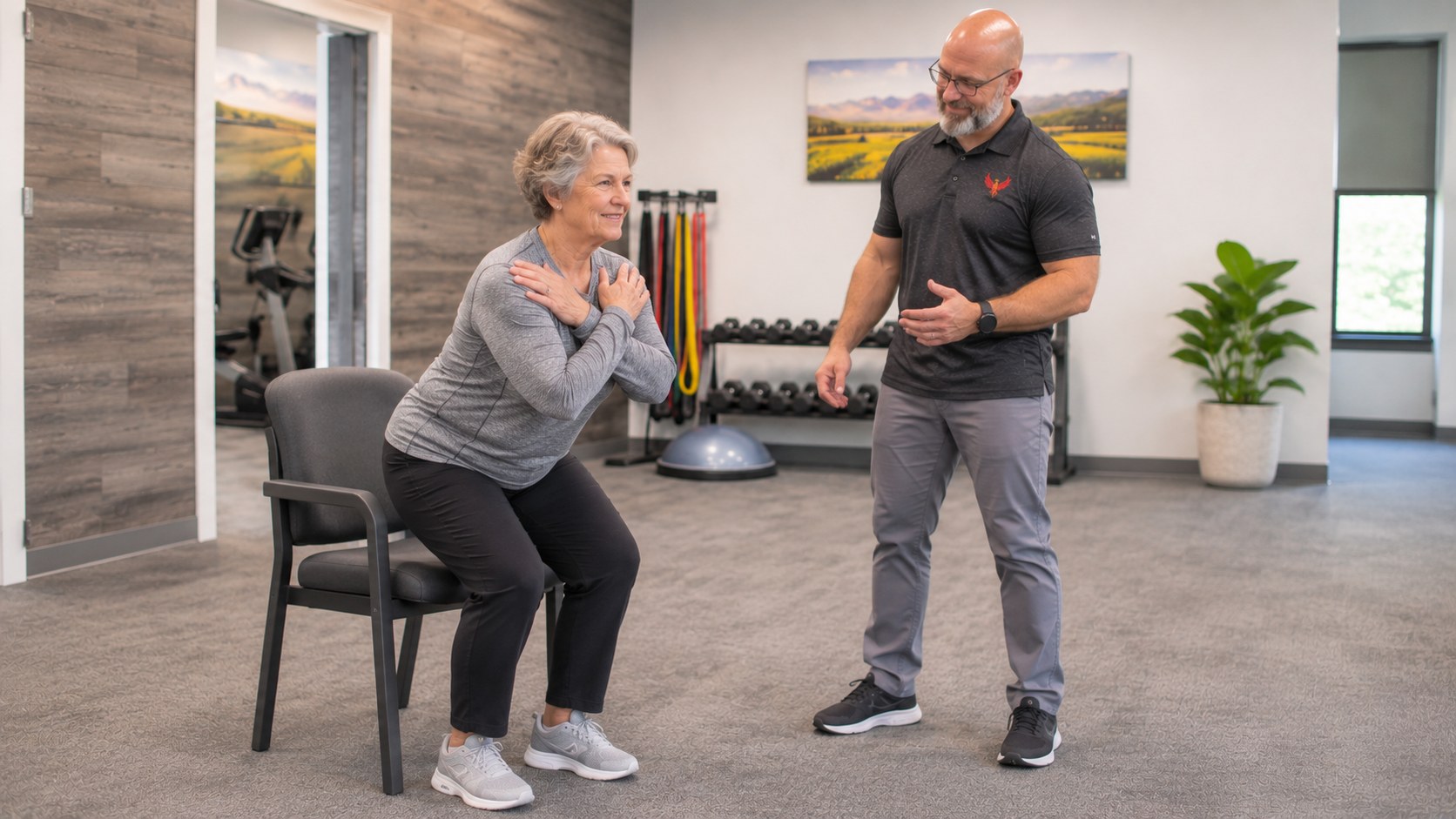
Physical therapy can help individuals rebuild the strength, endurance, balance, and mobility that may have declined during a period of inactivity. Rehabilitation begins with understanding each person's current abilities, medical history, activity limitations, and goals. This allows a physical therapist to develop a program that challenges the body appropriately without progressing too quickly or creating unnecessary setbacks. Strength training is often an important part of recovery. Exercises may focus on the muscles needed for everyday activities, including the legs, hips, core, shoulders, and arms. Depending on an individual's abilities, treatment may include sit-to-stand exercises, step-ups, resistance band exercises, and other movements that build strength for walking, climbing stairs, lifting, and household tasks. Exercises are gradually progressed as strength and tolerance improve. Improving cardiovascular endurance is another important goal. Walking, stationary cycling, and other appropriate forms of aerobic activity can help individuals gradually tolerate longer periods of movement without becoming excessively fatigued. Balance and coordination exercises may also be included to improve stability and confidence when standing, changing directions, navigating uneven surfaces, or moving around the home and community. Physical therapy also emphasizes functional movement rather than focusing only on individual muscles or exercise repetitions. Practicing activities such as getting in and out of a chair, stepping into a shower or bathtub, carrying groceries, and walking through a store helps connect improvements in strength and endurance to real-life needs. As physical abilities improve, treatment can progress toward more challenging activities that support independence and participation in daily life.
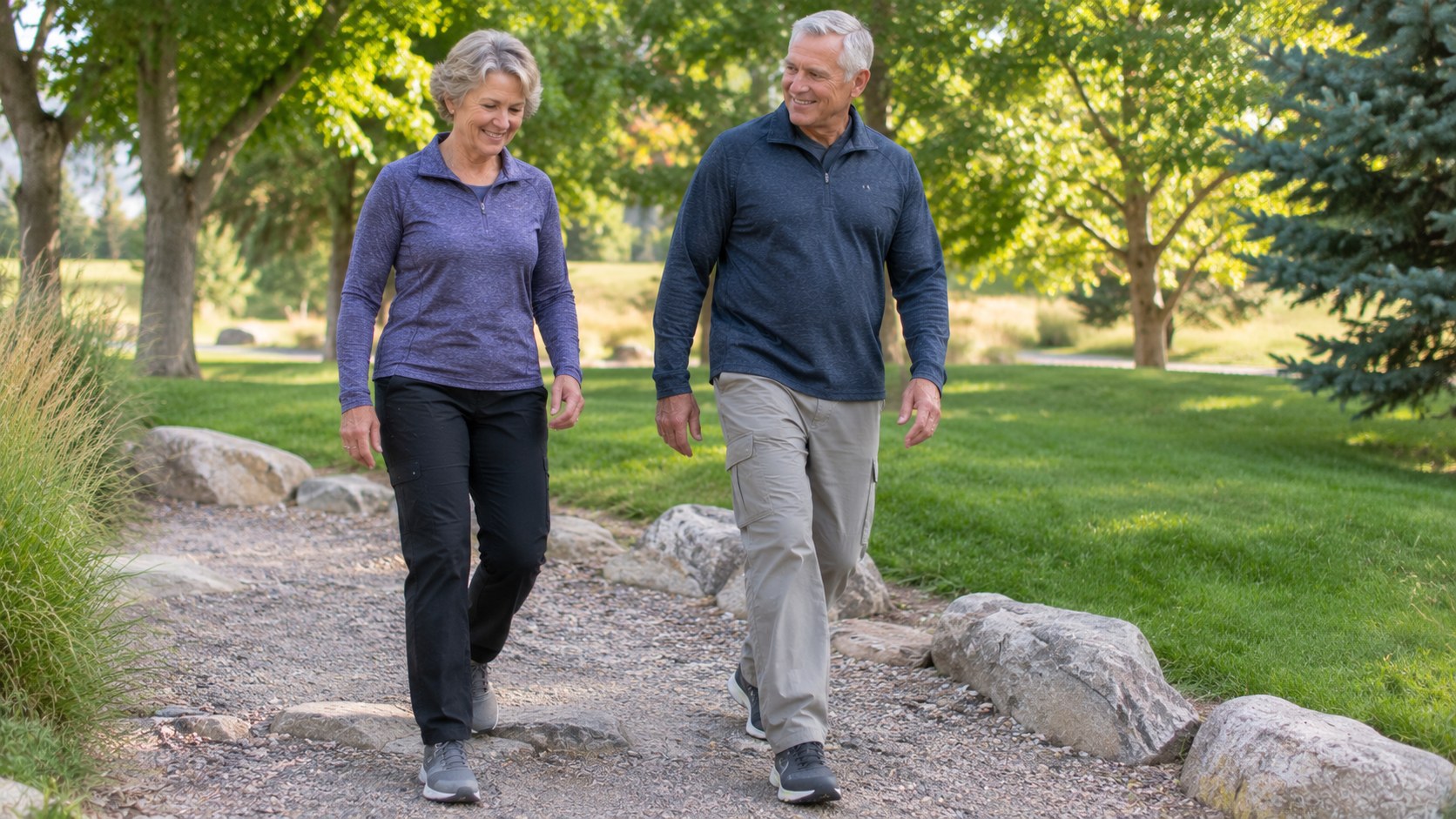
Recovering from deconditioning takes time, consistency, and a realistic approach to increasing physical activity. As strength and endurance improve, the focus gradually shifts toward participating more comfortably in the activities that make up everyday life. Progress may look different for each person, depending on how long they have been inactive, their overall health, and the physical demands of their daily routine. A gradual increase in activity is important because doing too much too soon can lead to excessive fatigue, soreness, or discouragement. A physical therapist can help establish manageable starting points and determine how to safely increase exercise intensity, walking distance, and daily activity. Some individuals may benefit from shorter periods of activity spread throughout the day, while others may be ready for longer or more challenging exercise sessions. The goal is to build physical capacity without repeatedly exceeding what the body can comfortably tolerate. As rehabilitation progresses, it becomes increasingly important to practice the specific activities a person wants or needs to perform. This might include walking around the neighborhood, navigating uneven ground while working in the yard, climbing stairs, getting in and out of a vehicle, carrying household items, or keeping up with family activities. For some individuals, returning to hobbies, recreational exercise, or more physically demanding work may also become an important part of recovery. Maintaining improvements after formal rehabilitation is another key part of preventing future declines in physical function. Developing a sustainable routine that includes regular movement, strengthening, and cardiovascular activity can help preserve the progress made during therapy. At Rally to Rise Physical Therapy, we help individuals identify realistic goals and build the strength, endurance, and confidence needed to remain active and independent over the long term.