
Generalized weakness is a reduction in overall physical strength that can affect a person's ability to move, perform everyday activities, and maintain independence. Unlike weakness limited to one injured muscle or joint, generalized weakness can affect multiple areas of the body. Some individuals notice difficulty using their arms and legs, while others primarily struggle with activities that require standing, walking, lifting, or maintaining an upright posture. There are many possible causes of generalized weakness. It may develop with aging, prolonged inactivity, recovery from surgery or illness, or certain chronic medical conditions. Neurological disorders, metabolic problems, nutritional deficiencies, and medication side effects can also contribute. In some cases, weakness develops gradually over time, while in others it appears more suddenly. Identifying the underlying cause is important because treatment and rehabilitation needs can vary significantly. Generalized weakness can affect much more than the ability to lift heavy objects or perform strenuous exercise. Everyday tasks such as getting out of bed, standing up from a chair, climbing stairs, carrying groceries, reaching overhead, or walking through a store may become increasingly challenging. Some individuals also experience reduced balance, difficulty maintaining their posture, or fatigue that makes it harder to remain active throughout the day. It is important to recognize that weakness is not always the same as fatigue or feeling tired. Fatigue describes a lack of energy or an increased sense of exhaustion, while weakness involves an actual reduction in the ability to generate muscle force. The two can occur together, but they may have different underlying causes. New, unexplained, or progressively worsening weakness should be evaluated by a healthcare professional to determine what may be contributing to it. Sudden weakness, particularly on one side of the body or accompanied by facial drooping, difficulty speaking, or sudden vision changes, requires emergency medical attention.
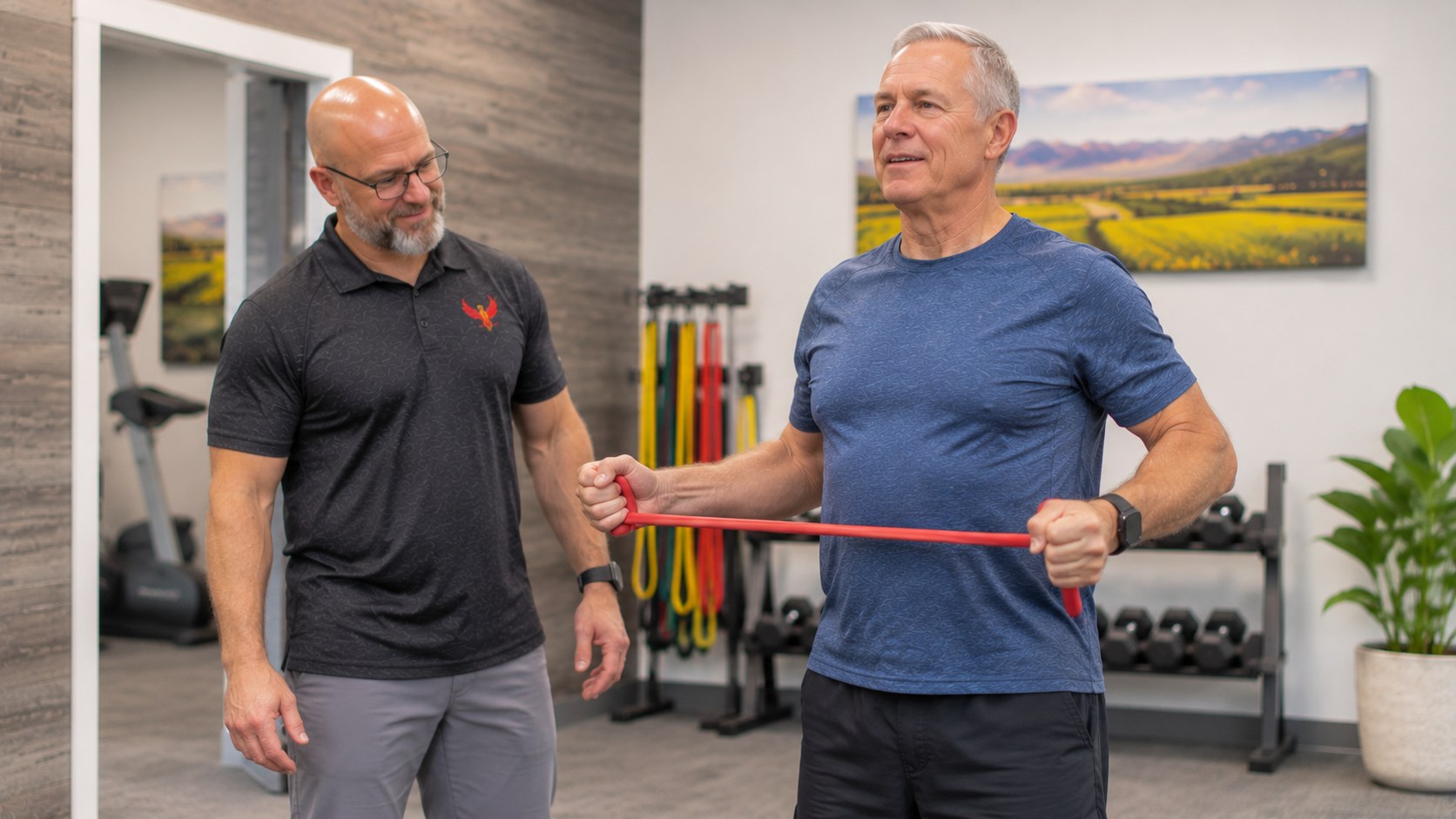
Physical therapy can help individuals address generalized weakness by improving muscle strength, mobility, balance, and the ability to perform everyday activities. Treatment begins with an evaluation of current physical abilities, including strength, walking, balance, endurance, and functional movements. A physical therapist also considers medical history, existing health conditions, and personal goals to help determine which areas need the most attention. A strengthening program may focus on the major muscle groups throughout the body, including the legs, hips, core, shoulders, and arms. Exercises are selected according to each person's abilities and may include resistance training, supported standing exercises, sit-to-stand practice, and controlled movements using resistance bands or weights. As strength improves, exercises can be gradually progressed to help individuals handle more demanding physical tasks. Improving balance, coordination, and walking ability may also be important parts of rehabilitation. Weakness can make it harder to maintain stability when changing positions, turning, stepping over obstacles, or walking on uneven surfaces. Physical therapy can incorporate balance activities, gait training, and functional movement exercises to improve control and confidence during these activities. For individuals who have difficulty with longer periods of activity, appropriately progressed endurance training may also help improve overall activity tolerance. One of the most important goals of physical therapy is translating improvements in strength into better everyday function. Rather than focusing only on exercise performance, treatment can include practicing activities such as getting up from a low chair, climbing stairs, carrying household items, reaching overhead, and walking through the community. By addressing the specific limitations that affect daily life, physical therapy can help individuals work toward greater independence and confidence with movement.

Living with generalized weakness can make it difficult to maintain the routines and activities that are important to you. Tasks such as getting dressed, preparing meals, carrying laundry, walking through a parking lot, or keeping up with family activities may require more effort than they once did. Rehabilitation focuses on helping individuals improve their ability to manage these responsibilities and participate more comfortably in everyday life. As strength and physical capacity improve, practicing real-world activities becomes an important part of continued progress. This may include standing long enough to prepare a meal, stepping into a shower or bathtub, climbing stairs, walking across uneven ground while working in the yard, or carrying groceries from the car. A physical therapist can help identify which activities are most challenging and incorporate exercises that directly address those limitations. Progress should be gradual and appropriate for each individual's health and physical abilities. Some people may improve relatively quickly, while others require a longer period of rehabilitation, particularly when weakness is related to an ongoing medical condition. Consistent participation, appropriate recovery time, and realistic goals can help individuals make meaningful improvements without unnecessarily overloading their bodies. Maintaining strength and mobility after completing physical therapy is equally important. Developing a sustainable routine that includes regular movement, strengthening exercises, and activities that support balance and endurance can help preserve physical abilities over time. At Rally to Rise Physical Therapy, we want to help you build more than temporary improvements. Our goal is to help you develop the strength, confidence, and physical capacity needed to remain as active and independent as possible.