
Arthritis refers to a group of conditions that affect the joints, causing pain, stiffness, swelling, and reduced mobility. It can affect nearly any joint in the body, including the knees, hips, hands, shoulders, spine, and feet. While some forms of arthritis develop gradually over time, others involve inflammation that can affect multiple joints and even other parts of the body. The two most common forms are osteoarthritis and rheumatoid arthritis. Osteoarthritis is commonly associated with age-related changes, previous injuries, and gradual changes in the cartilage and other structures within a joint. Rheumatoid arthritis is an autoimmune disease in which the immune system mistakenly attacks the lining of the joints, leading to inflammation that can damage cartilage, bone, and surrounding tissues. Although both conditions can cause similar symptoms, their underlying causes and medical management are different. Arthritis symptoms can range from occasional discomfort and stiffness to persistent pain, swelling, and significant limitations in movement. Some individuals experience increased stiffness after periods of inactivity, while others notice symptoms that worsen with prolonged activity or during inflammatory flare-ups. The severity and progression of symptoms vary considerably depending on the type of arthritis and the individual. Over time, arthritis can make everyday activities more challenging. Walking, climbing stairs, getting out of a chair, opening containers, reaching overhead, and completing household chores may become increasingly difficult. Understanding the type of arthritis affecting your joints is an important first step toward finding appropriate treatment and developing strategies to maintain mobility, independence, and quality of life.

Osteoarthritis is the most common form of arthritis and develops when the structures within a joint gradually change over time. Healthy joints contain cartilage that provides a smooth, protective surface between bones and helps absorb forces during movement. With osteoarthritis, this cartilage gradually deteriorates, while changes can also occur in the underlying bone, joint lining, and surrounding tissues. These changes can lead to pain, stiffness, swelling, and reduced joint mobility. Several factors can contribute to the development of osteoarthritis, including aging, previous joint injuries, repetitive stress, genetics, and excess body weight. It most commonly affects weight-bearing joints such as the knees and hips, but it can also develop in the hands, spine, and other areas. Previous injuries, including ligament tears or fractures, can increase the likelihood of developing osteoarthritis in an affected joint, sometimes years after the original injury. Symptoms typically develop gradually and may initially appear as occasional discomfort during or after physical activity. As the condition progresses, individuals may experience more frequent pain, stiffness after periods of rest, joint swelling, reduced flexibility, and difficulty bearing weight. Some people also notice grinding, clicking, or a catching sensation during movement. Symptoms can vary considerably, and the amount of discomfort does not always correspond to the degree of structural changes visible on imaging. Osteoarthritis can gradually affect a person's ability to perform everyday activities. Walking longer distances, climbing stairs, getting up from low chairs, squatting, kneeling, and participating in recreational activities may become increasingly uncomfortable. Although osteoarthritis is a progressive condition, appropriate management can help reduce symptoms, maintain joint function, and preserve independence.

Rheumatoid arthritis is a chronic autoimmune disease in which the immune system mistakenly attacks the lining of the joints, known as the synovium. This causes inflammation that can lead to pain, swelling, warmth, and stiffness. Unlike osteoarthritis, which primarily involves changes within the joint structures over time, rheumatoid arthritis is driven by an abnormal immune response that can damage cartilage, bone, and surrounding tissues if inflammation is not adequately controlled. The exact cause of rheumatoid arthritis is not fully understood, but a combination of genetic and environmental factors is believed to contribute to its development. It can affect people of various ages and commonly involves multiple joints, particularly the hands, wrists, and feet. Symptoms often occur symmetrically, meaning the same joints on both sides of the body may be affected. Rheumatoid arthritis can also involve other body systems, including the eyes, lungs, heart, and blood vessels. Common symptoms include joint pain, swelling, warmth, and prolonged morning stiffness that may last an hour or longer. Many individuals also experience fatigue, reduced energy, and periods when symptoms become significantly worse. These periods, known as flare-ups, can make even routine activities difficult. Symptoms may fluctuate over time, with periods of increased inflammation followed by periods of improved comfort and function. When rheumatoid arthritis is not adequately managed, ongoing inflammation can contribute to joint damage, deformity, muscle weakness, and reduced mobility. Activities such as gripping objects, opening containers, walking, getting dressed, and completing household tasks may become increasingly challenging. Early diagnosis and appropriate medical treatment are important for controlling inflammation and limiting long-term joint damage.
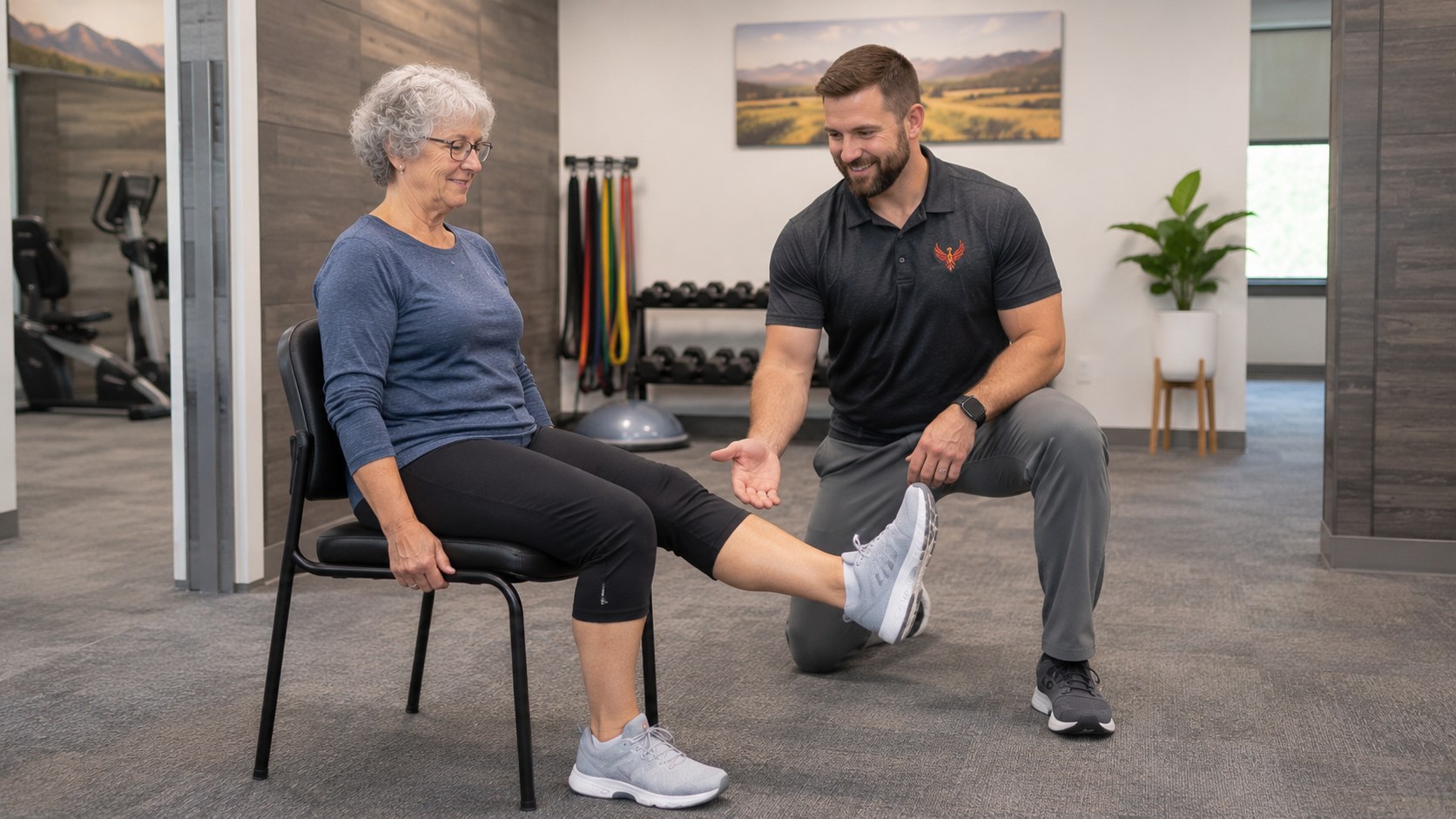
Physical therapy can play an important role in managing both osteoarthritis and rheumatoid arthritis by helping individuals maintain joint mobility, improve muscle strength, and preserve their ability to perform everyday activities. Although physical therapy cannot reverse joint damage or eliminate the underlying causes of arthritis, appropriate treatment can help reduce functional limitations, improve movement, and make daily activities more manageable. A physical therapist can evaluate joint mobility, muscle strength, balance, walking mechanics, and movement patterns to identify areas that may benefit from treatment. Individualized exercise programs can help strengthen the muscles surrounding affected joints, improve flexibility, and support better joint function. For individuals with knee or hip arthritis, strengthening the muscles of the legs and hips may improve stability and make activities such as walking, standing, and climbing stairs easier. For arthritis affecting the hands and upper body, treatment may focus on maintaining comfortable movement and improving the ability to perform gripping, reaching, and lifting tasks. Hands-on treatment may also be incorporated when appropriate to address stiffness, restricted mobility, and surrounding muscle tension. Gentle joint mobilization, soft tissue techniques, and guided stretching can help improve comfort and movement. Treatment intensity should be adjusted based on symptoms, particularly for individuals with rheumatoid arthritis who may experience periods of increased inflammation. During flare-ups, protecting affected joints and modifying activities may be more appropriate than performing strengthening exercises. Physical therapy also provides education on joint protection, activity modification, and strategies for managing symptoms throughout the day. By combining appropriate exercise, movement training, and practical guidance, physical therapy can help individuals with arthritis maintain independence, participate in activities they enjoy, and stay as active as their condition allows.
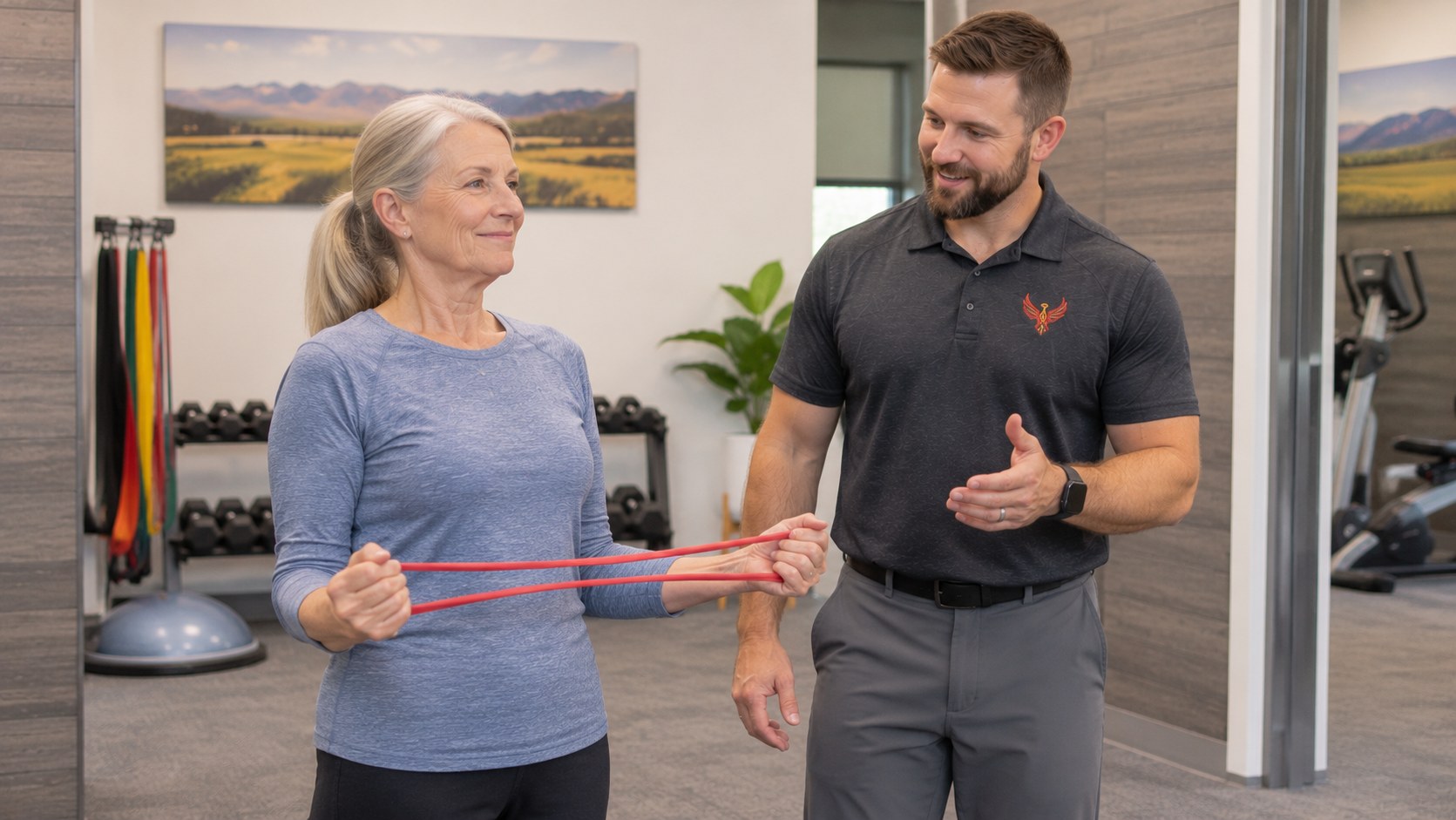
Staying physically active is an important part of managing arthritis, but finding the right balance between activity and recovery is essential. Regular movement can help maintain joint mobility, strengthen the muscles that support affected joints, and improve overall physical function. Low-impact activities such as walking, stationary cycling, swimming, and water-based exercise can provide opportunities to stay active while limiting excessive stress on painful joints. Strengthening exercises can help improve joint stability and make everyday movements easier. Building strength in the muscles surrounding the knees, hips, shoulders, and other affected joints can help distribute physical demands more effectively during activities such as walking, climbing stairs, lifting, and reaching. Flexibility and mobility exercises can also help reduce stiffness and maintain comfortable movement. Exercise selection and intensity should be adjusted to the individual's symptoms, abilities, and type of arthritis, particularly during periods of increased inflammation. Protecting the joints during everyday activities is another important consideration. Using proper body mechanics, avoiding prolonged repetitive movements, taking regular breaks, and distributing heavier tasks throughout the day can help reduce unnecessary strain. Simple modifications, such as using larger joints instead of smaller ones to carry objects, choosing supportive footwear, or using adaptive equipment when needed, can make daily responsibilities more manageable. Learning to recognize changes in symptoms is especially important for individuals with rheumatoid arthritis. During inflammatory flare-ups, temporarily reducing activity and avoiding excessive stress on affected joints may help prevent additional irritation. For individuals with osteoarthritis, maintaining consistent, appropriately progressed activity can help preserve strength and mobility. Working with a physical therapist can help determine which activities and exercises are most appropriate while developing practical strategies for protecting joints and maintaining an active lifestyle.

Living with arthritis often means learning how to adapt activities and routines as symptoms change over time. While arthritis may not be reversible, there are many ways to manage its effects and maintain an active, independent lifestyle. Consistent physical activity, appropriate medical care, and practical strategies for managing joint stress can all contribute to better long-term function and quality of life. Maintaining a healthy body weight, getting adequate sleep, and staying physically active can help support joint health and overall well-being. For individuals with osteoarthritis, reducing excessive stress on weight-bearing joints may help make walking and other daily activities more comfortable. For those with rheumatoid arthritis, working closely with a medical provider to control inflammation is particularly important for protecting joints and limiting disease progression. Medications prescribed by a rheumatologist or other healthcare provider may be an essential part of managing rheumatoid arthritis. It is also important to recognize that arthritis symptoms can fluctuate. Some days may allow for more activity, while other days may require additional rest or adjustments to normal routines. Learning to pace activities, recognize early signs of increased joint irritation, and modify movements when necessary can help prevent unnecessary discomfort. Staying connected with healthcare professionals and maintaining an individualized exercise routine can also help address changing needs over time. At Rally to Rise Physical Therapy, we want to help individuals with arthritis maintain the strength, mobility, and confidence needed to participate in the activities that matter most to them. Whether your goal is to walk comfortably, keep up with family, return to recreational activities, or manage everyday household responsibilities, physical therapy can help you develop practical strategies for staying active and independent.