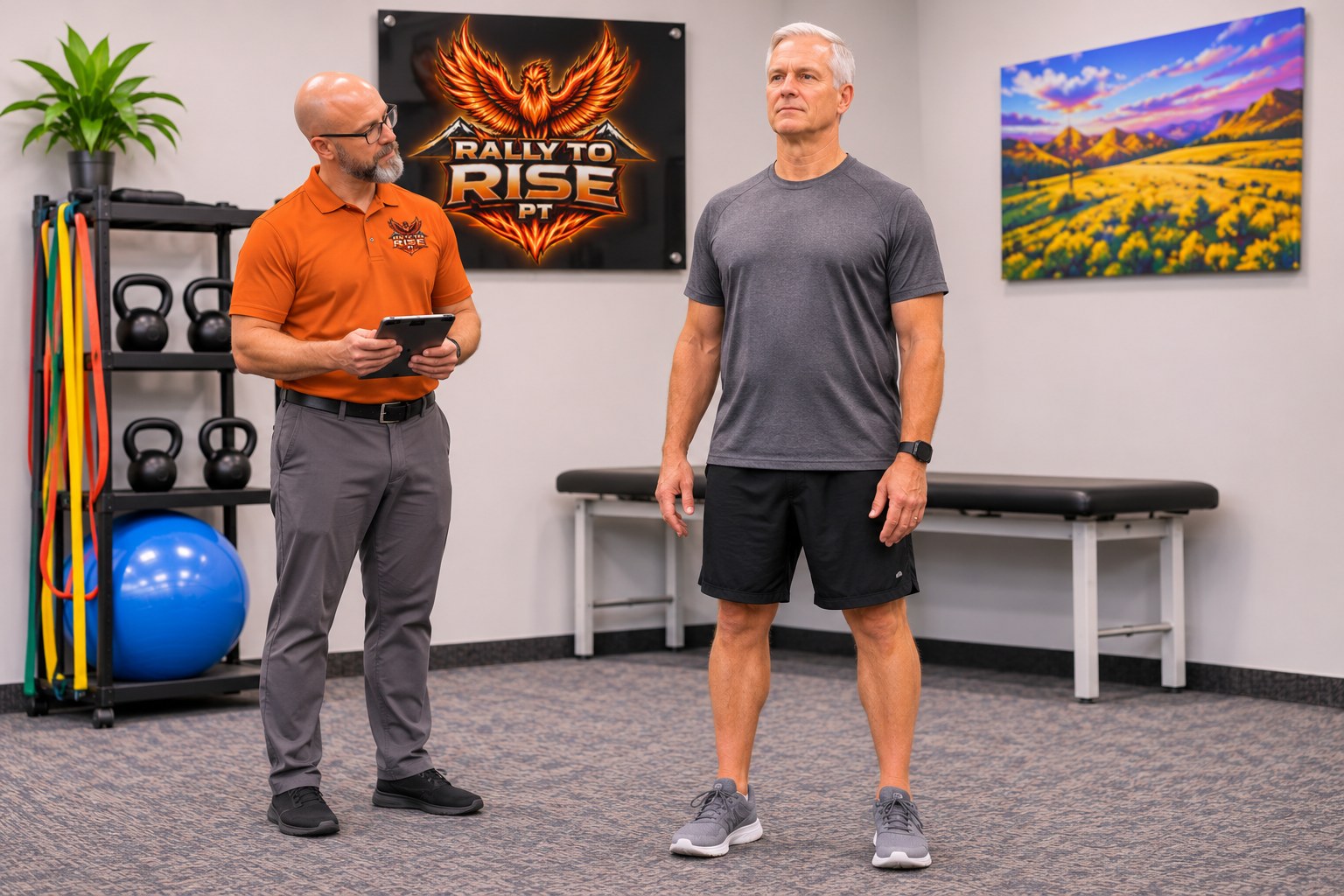
Balance depends on the body's ability to recognize its position in space and make adjustments to maintain stability. The brain receives information from the eyes, inner ears, muscles, and joints, then coordinates the appropriate responses to keep the body upright during standing and movement. When these systems do not work together effectively, a person may experience unsteadiness, difficulty maintaining their balance, or an increased risk of falling. Balance difficulties can occur when someone has reduced strength, limited joint mobility, impaired sensation, or changes in the nervous system. Some individuals struggle primarily when standing still, while others notice difficulty when turning, reaching, changing directions, or walking on uneven surfaces. Physical therapy can help identify which factors are contributing to balance problems and develop exercises that improve stability and control during everyday activities.
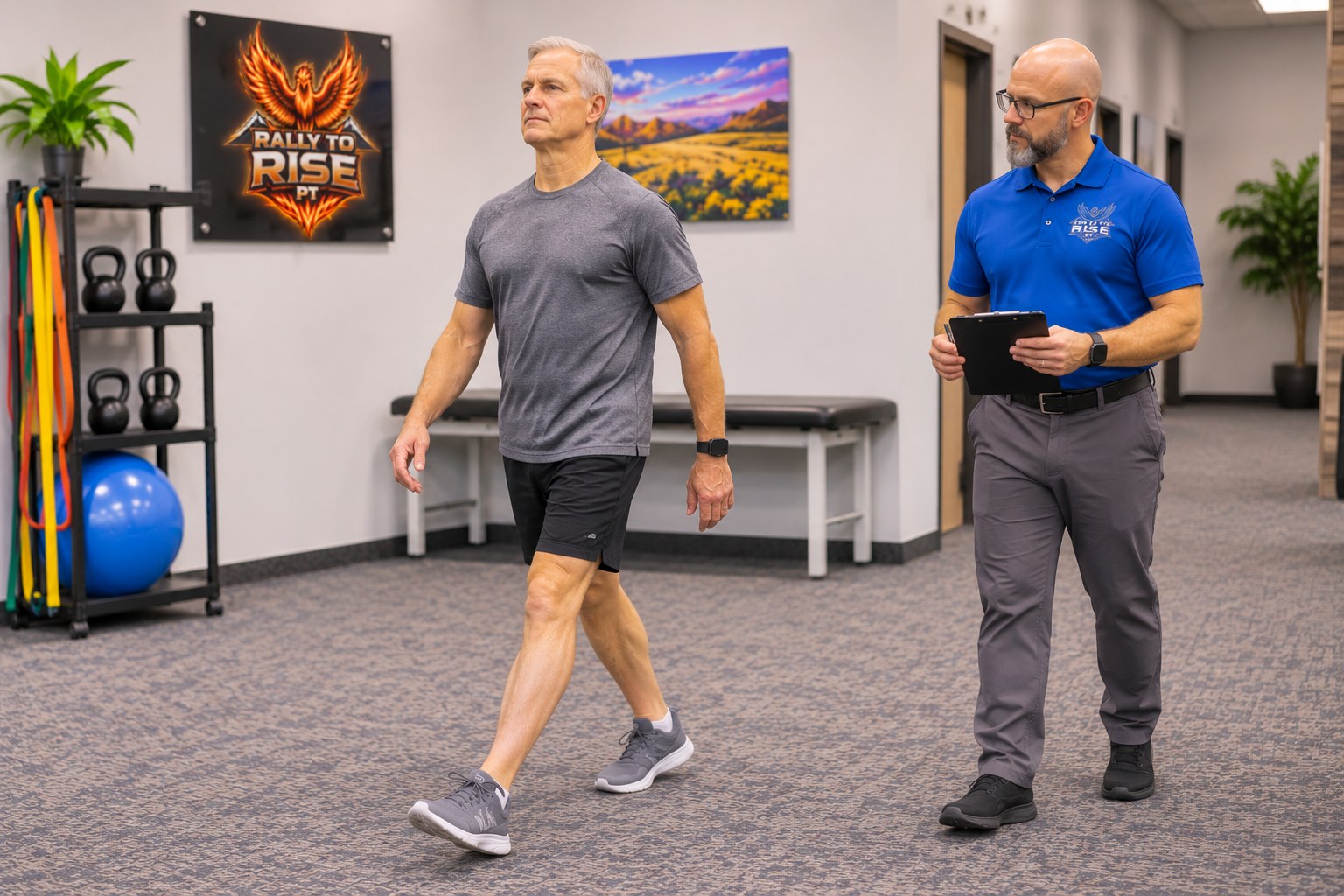
Gait refers to the way a person walks, including their posture, stride length, walking speed, and coordination between their legs. Gait disorders occur when something interferes with normal walking mechanics, making movement less efficient, less stable, or more difficult to control. Changes may include shorter steps, shuffling, uneven weight distribution, difficulty lifting the feet, or reduced walking speed. Walking difficulties can develop from muscle weakness, joint pain, neurological conditions, injuries, or changes in sensation and coordination. Some individuals have trouble clearing their toes from the ground, while others struggle with starting and stopping, turning, or maintaining a consistent walking pattern. These changes can make walking longer distances or navigating busy environments more challenging. Physical therapy can address gait limitations through strengthening, movement training, and practice with walking activities that target each person's specific difficulties.
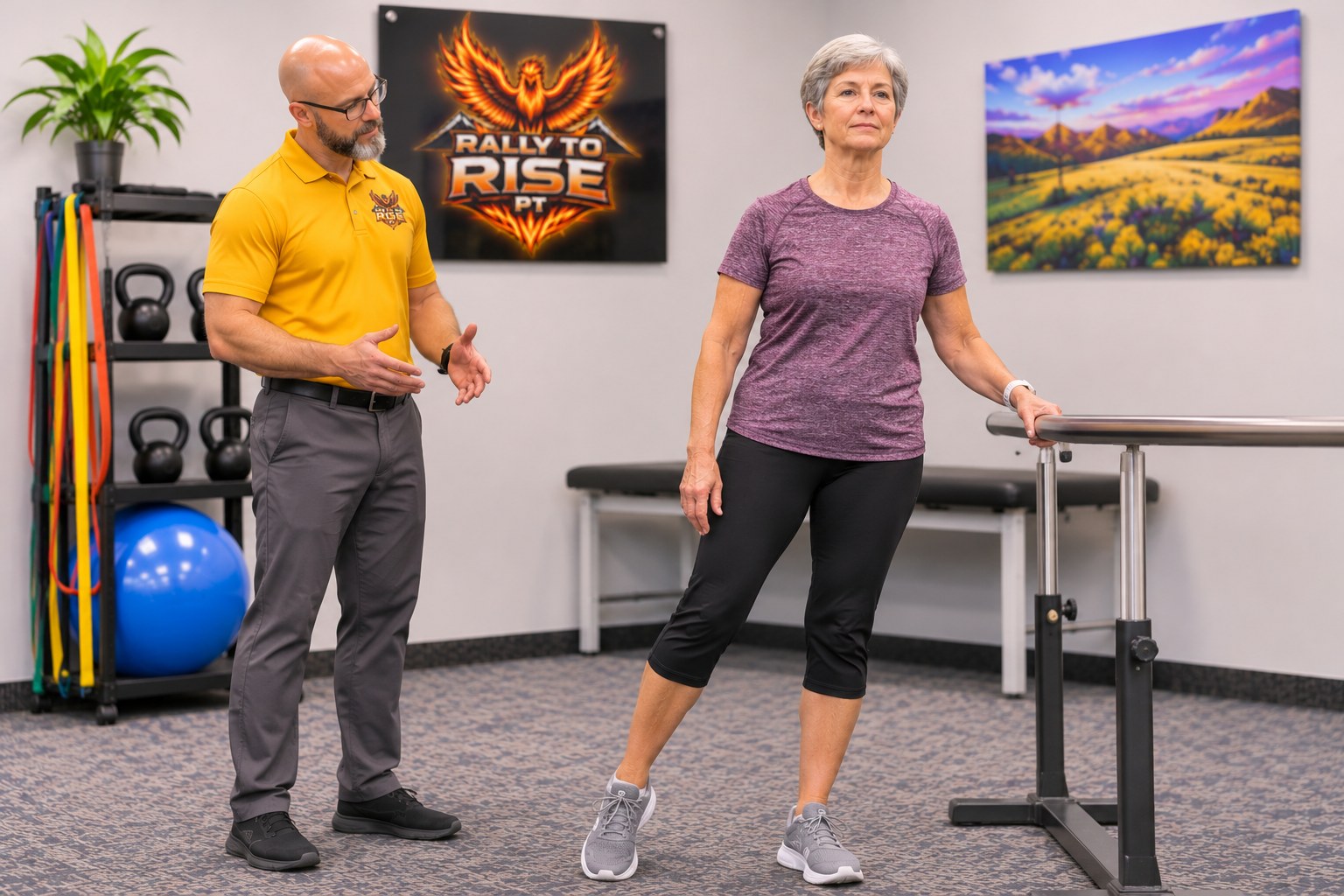
There are many conditions that can affect balance and walking ability. Neurological conditions such as Parkinson's disease, multiple sclerosis, stroke, and peripheral neuropathy can interfere with muscle control, coordination, sensation, or movement patterns. Musculoskeletal problems, including arthritis, joint stiffness, and previous injuries, may also change the way a person stands and walks. Muscle weakness, reduced flexibility, and decreased endurance can contribute to instability, particularly as people become less active. Changes in foot sensation may make it harder to recognize the position of the feet or respond to uneven surfaces. Vision changes, medication side effects, and vestibular disorders can also affect balance. Because several factors may contribute at the same time, a physical therapy evaluation looks at the whole picture rather than focusing on just one symptom.
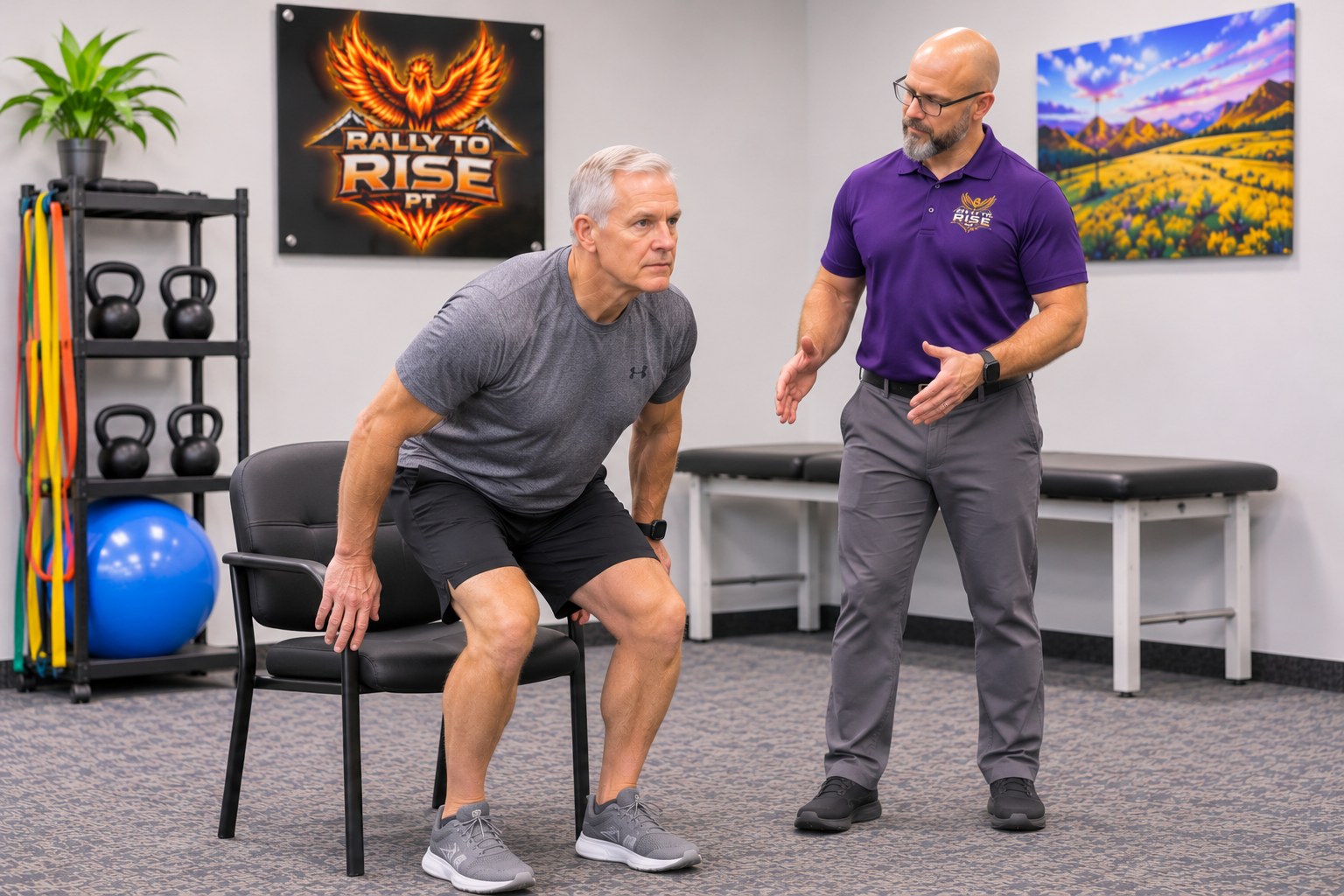
Balance and walking difficulties can increase the likelihood of falls, particularly when someone has difficulty recovering from a loss of stability or navigating unexpected obstacles. Falls may result in injuries, but even the fear of falling can have a significant impact on daily life. Some individuals begin avoiding activities, limiting how far they walk, or relying more heavily on furniture and other objects for support. Over time, reduced activity can lead to additional muscle weakness, decreased endurance, and further limitations in mobility. Physical therapy can help address these concerns through exercises that improve strength, balance reactions, and confidence with movement. Treatment may also include practicing safe transfers, navigating obstacles, and identifying situations where additional support or an assistive device may be helpful. Improving stability and learning safer movement strategies can help individuals participate more comfortably in everyday activities.
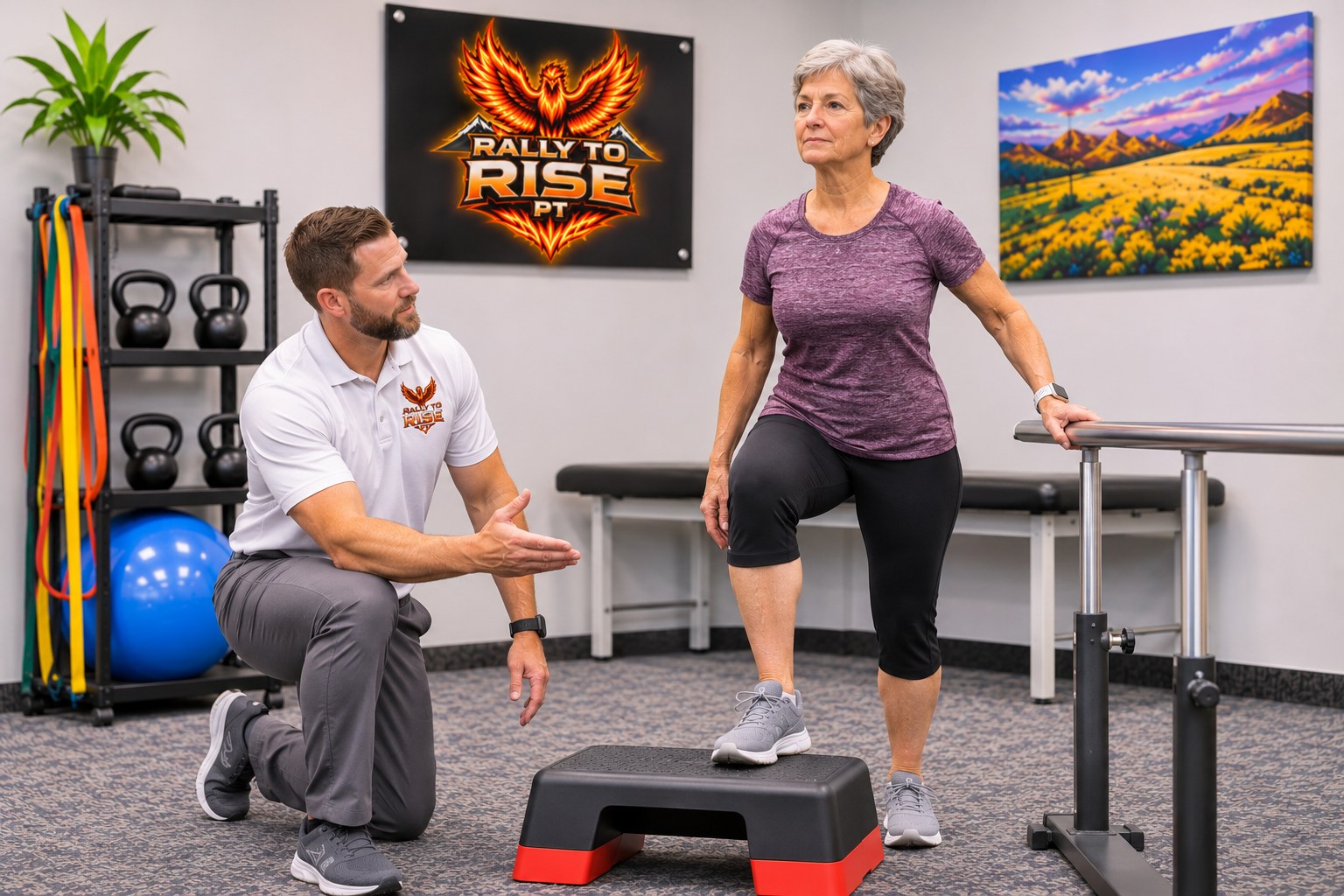
Physical therapy focuses on improving the strength, coordination, balance, and movement skills needed for safe and efficient mobility. Treatment is tailored to each patient's abilities and goals and may include lower-body strengthening, flexibility exercises, static and dynamic balance activities, gait training, and functional movement practice. Strengthening exercises help improve the muscles responsible for supporting the body during standing and walking. Balance activities challenge stability in controlled situations, helping individuals improve their ability to shift weight, reach, turn, and respond to changes in position. Gait training may focus on walking mechanics, step length, foot clearance, walking speed, and coordination. Depending on the individual's needs, therapy may also include stair training, transfer practice, obstacle navigation, and recommendations for appropriate assistive devices. Functional training is an important part of rehabilitation because improvements in balance and strength need to carry over into everyday activities. Patients may practice stepping over obstacles, changing directions, walking on different surfaces, and transitioning between sitting and standing. Exercises are progressed as abilities improve while maintaining an appropriate level of safety.
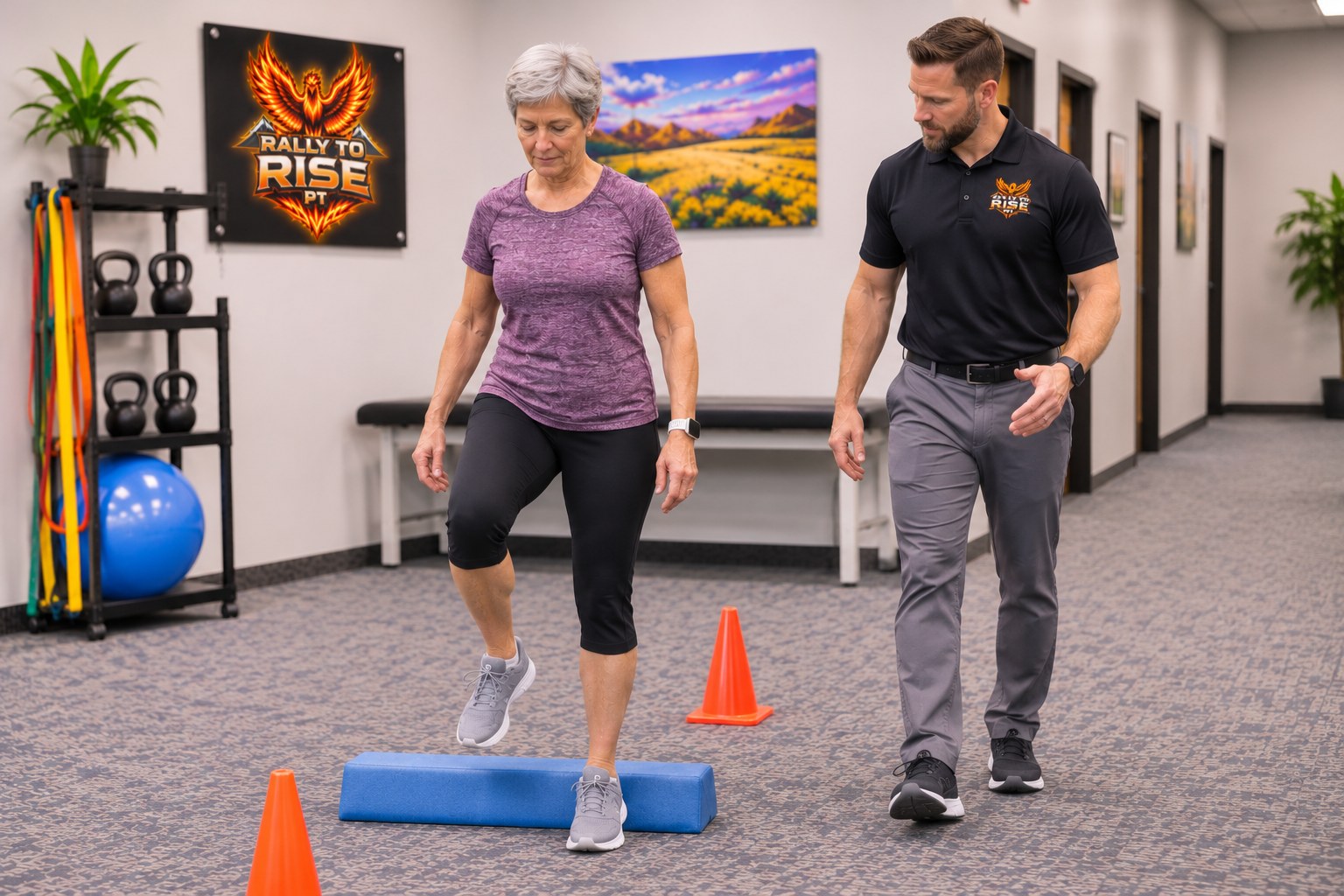
The goal of balance and gait rehabilitation is to help individuals move more confidently in the environments where they live, work, and participate in recreational activities. Improvements in strength and stability can make everyday tasks such as getting out of a chair, walking through a grocery store, climbing stairs, or navigating uneven ground more manageable. Many everyday activities require more than simply walking on a flat, predictable surface. Walking through the yard, navigating uneven ground while gardening, stepping over a curb, or moving across gravel and grass all require coordination and the ability to adjust to changing surfaces. Other activities, such as stepping into a shower or bathtub, getting into and out of a vehicle, and reaching while standing, require controlled weight shifting, single-leg stability, and coordination. Physical therapy can incorporate these specific movements into treatment so patients can practice the tasks that are most important to their daily lives. For those who benefit from additional support, a physical therapist can help determine whether a cane, walker, grab bar, or other assistive device may improve safety and mobility. Treatment focuses on building practical skills that carry over into daily life, allowing patients to maintain as much independence and activity as possible.