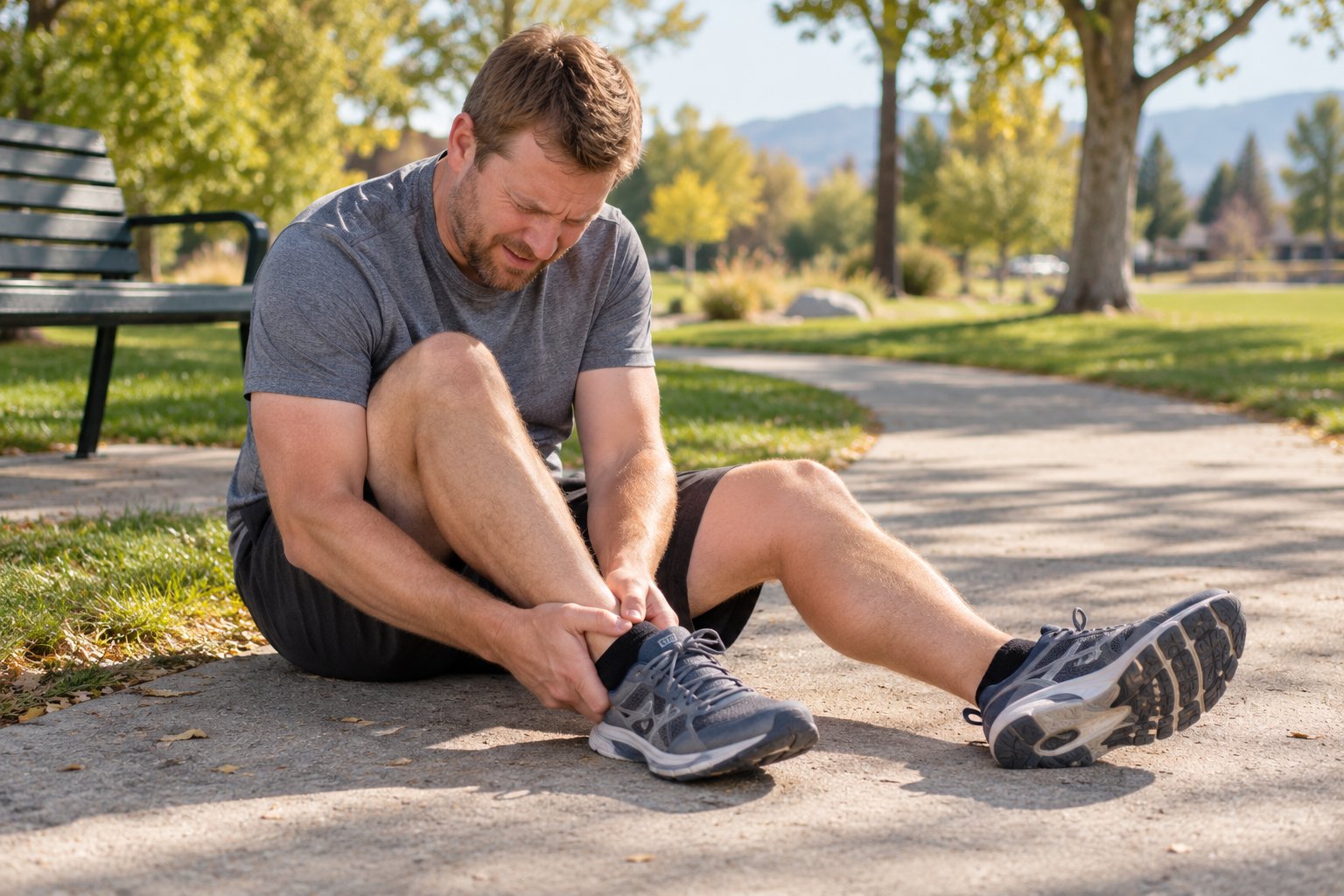
Muscle strains and ligament sprains are common injuries that can occur when tissues are stretched beyond their normal limits or exposed to excessive force. Although these terms are often used interchangeably, they affect different tissues and can require different approaches to rehabilitation. Muscle Strains: A strain occurs when a muscle or the tendon connecting it to bone is overstretched or torn. Common examples include hamstring strains, pulled calf muscles, and groin strains. Symptoms may include sudden pain, muscle tenderness, swelling, bruising, and difficulty using the affected muscle. Ligament Sprains: A sprain occurs when a ligament, which connects bones and helps stabilize a joint, is stretched or torn. These injuries commonly affect the ankles, knees, and wrists. Pain, swelling, bruising, and joint instability may occur depending on the severity of the injury. Common Causes: Both injuries can result from sudden twisting movements, falls, awkward landings, lifting heavy objects, or rapid acceleration and deceleration during sports. They can also develop when repetitive stress places more demand on tissues than they can tolerate. Grades of Injury: Strains and sprains range from mild injuries involving overstretched fibers to more severe injuries involving partial or complete tears. The severity of the injury influences recovery time and the type of treatment needed. Understanding which tissues are injured and how severely they are affected helps guide treatment and supports a safe return to normal activities.
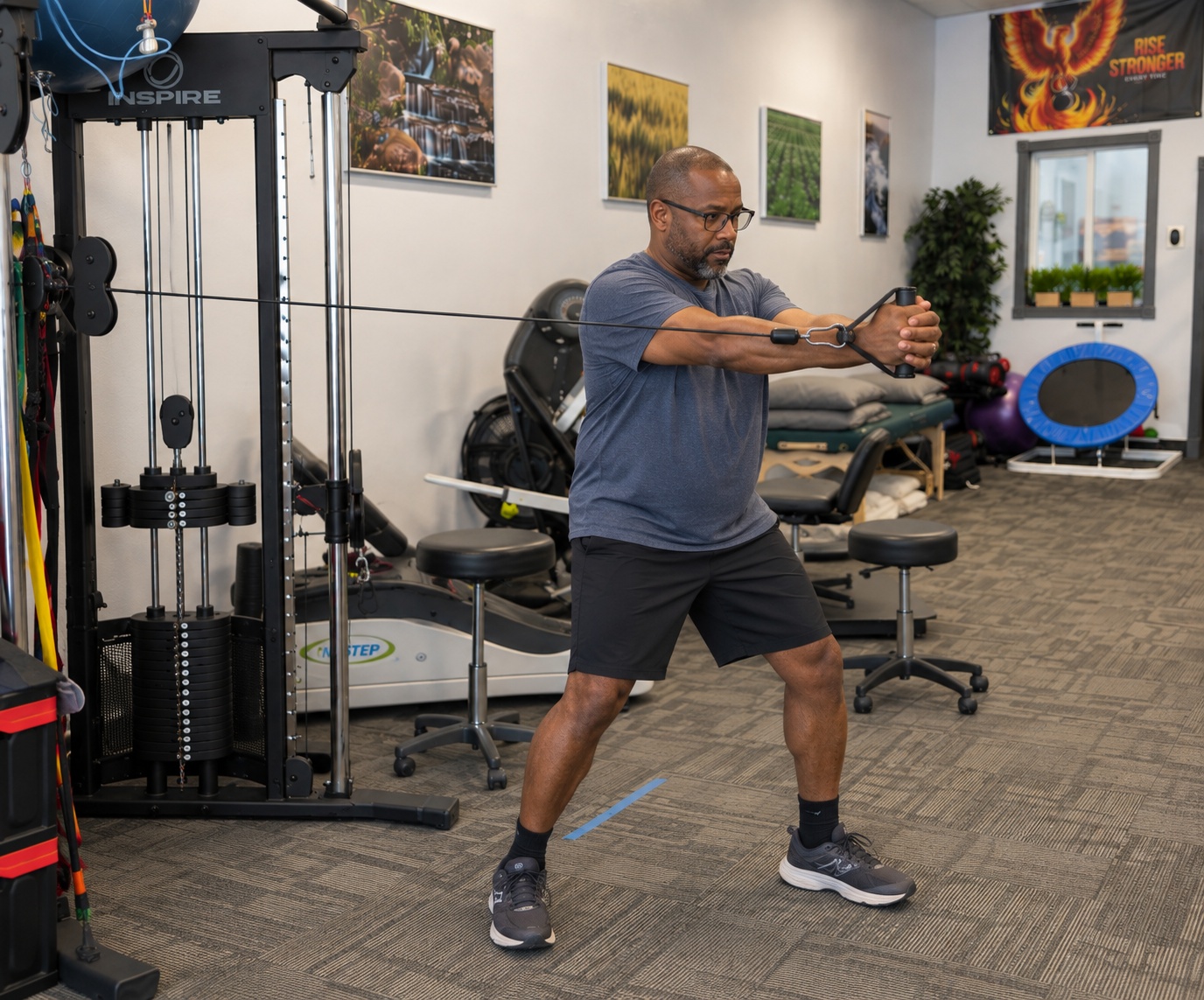
Physical therapy can play an important role in recovering from muscle strains and ligament sprains by helping reduce pain, restore movement, rebuild strength, and improve stability. Treatment is tailored to the type and severity of your injury, allowing you to progress safely as your tissues heal. Reduce Pain and Swelling: Your therapist can recommend strategies to help manage pain and swelling while protecting the injured tissues during the early stages of recovery. Appropriate modalities and manual therapy may also be used when beneficial. Restore Mobility and Flexibility: Strains and sprains can make movement stiff or uncomfortable. Gentle mobility exercises and stretching, introduced at the appropriate stage of healing, can help restore your range of motion and make everyday activities easier. Rebuild Strength: Targeted strengthening exercises help restore the injured muscles and surrounding support structures. Exercises progress as your symptoms improve and your tissues become better able to tolerate increased demands. Improve Joint Stability and Balance: Ligament injuries can affect joint stability, while muscle injuries may interfere with coordination and control. Balance training, coordination exercises, and targeted strengthening can help improve movement and reduce the risk of future injuries. Restore Normal Movement: Your therapist can assess how you walk, lift, bend, jump, or perform other movements affected by your injury. Correcting movement limitations and gradually rebuilding activity tolerance can help you return to your usual routine. Support a Safe Recovery: Returning to activity too quickly can increase the risk of reinjury. Physical therapy provides guidance on progressing exercises and activities based on your symptoms, strength, mobility, and functional abilities.
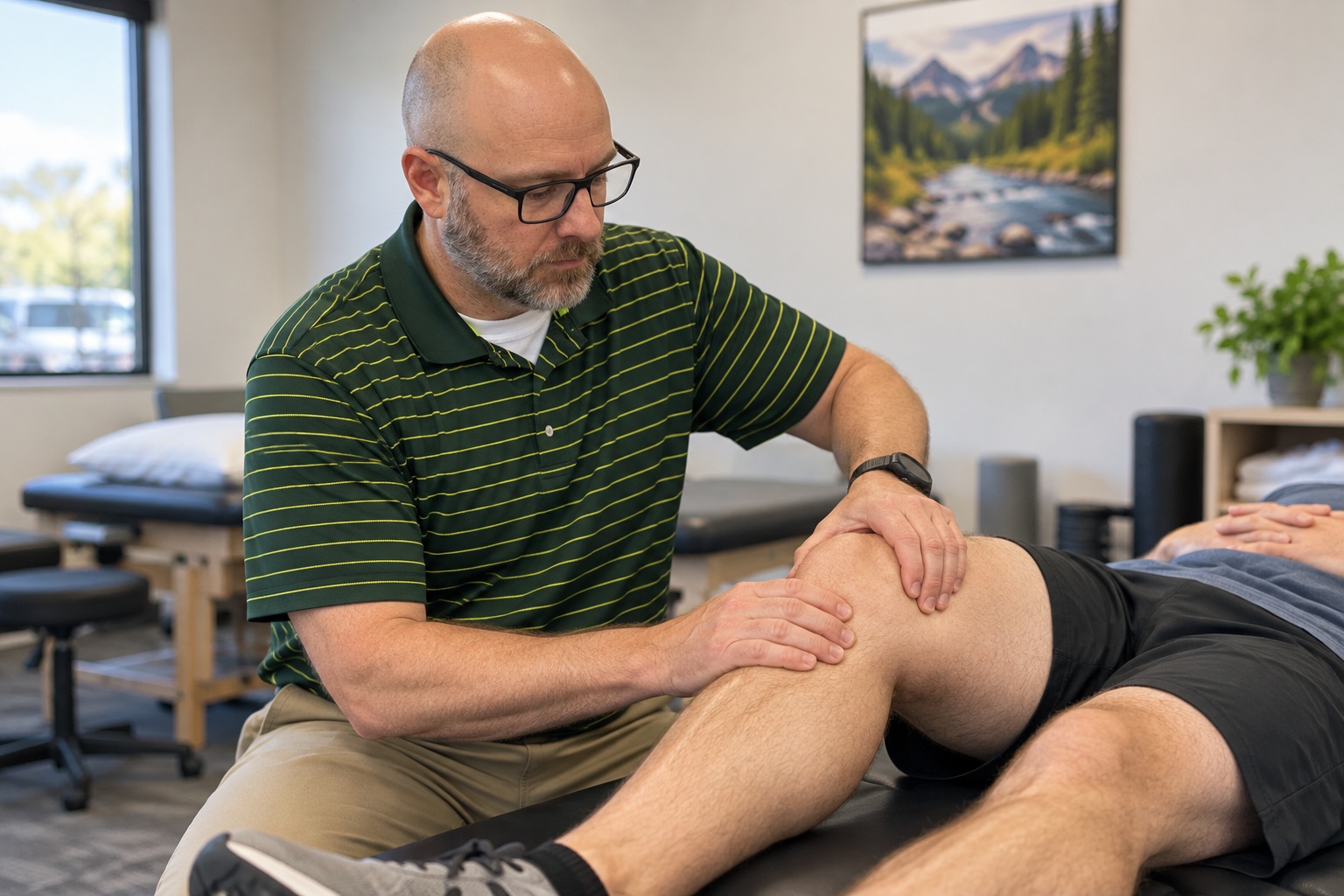
Recovery from a muscle strain or ligament sprain depends on the location and severity of the injury, your overall health, and the demands of your daily activities. While mild injuries may improve within a few weeks, more severe injuries can require several months of rehabilitation. A gradual, individualized approach helps restore function while reducing the risk of reinjury. Protecting the Injured Tissue: Early recovery focuses on protecting the injured area while allowing healing to begin. Your therapist can help you determine which activities to temporarily modify and how to maintain safe movement without placing excessive stress on the injury. Gradually Increasing Activity: As pain and swelling improve, rehabilitation progresses to include mobility exercises, strengthening, and functional movements. Increasing activity at the appropriate pace helps your tissues adapt to greater demands without being pushed too quickly. Returning to Sports and Exercise: Athletes and active individuals may need additional training to prepare for running, jumping, cutting, lifting, or other demanding movements. Your therapist can help assess strength, balance, coordination, and functional performance before you return to these activities. Reducing the Risk of Reinjury: Previous strains and sprains can increase the likelihood of future injuries, particularly when strength, mobility, or stability has not fully recovered. Improving these areas, gradually rebuilding activity levels, and using proper body mechanics can help protect healing tissues. Ergonomics also plays an important role, whether that means improving lifting techniques, adjusting your workstation, or modifying repetitive tasks to reduce unnecessary strain. Your physical therapist can help identify movement habits and environmental factors that may contribute to recurring injuries, helping you return to your daily activities with greater confidence. Knowing When to Seek Care: Severe pain, significant swelling, obvious deformity, inability to bear weight, or a joint that feels unstable may require prompt medical evaluation. Physical therapy can help guide rehabilitation once the injury has been appropriately assessed. With the right rehabilitation plan, many people can regain their strength and mobility and return to the activities they enjoy. Recovery should be guided by how well the injured tissues tolerate movement and activity, rather than by time alone.