
Neck pain and headaches can develop for several reasons, including muscle tension, joint stiffness, prolonged positioning, or irritation of the nerves and other structures in the neck. Understanding what may be contributing to your symptoms is an important step toward finding the right treatment. Muscle Tension and Strains: Tight or strained muscles in the neck, shoulders, and upper back can cause soreness, stiffness, and restricted movement. Muscle tension may also contribute to tension-type headaches, which often feel like pressure or tightness around the head. Poor Posture and Prolonged Sitting: Spending long periods looking at a computer, phone, or other device can place increased demands on the neck and upper back. These habits may contribute to muscle fatigue, stiffness, and recurring discomfort. Cervicogenic Headaches: Some headaches originate from structures in the neck, including the joints, muscles, and surrounding tissues. These headaches may occur with neck pain, limited mobility, or symptoms that worsen with certain neck movements or positions. Joint Stiffness and Arthritis: Changes in the cervical spine, including age-related joint changes, can contribute to neck stiffness, reduced range of motion, and discomfort during everyday activities. In some cases, these problems may also contribute to headaches. Disc Problems and Nerve Irritation: Bulging or herniated discs and other changes in the cervical spine can irritate nearby nerves. Symptoms may include neck pain that travels into the shoulder or arm, tingling, numbness, or weakness. Whiplash and Other Injuries: Sudden movements, such as those experienced in a car accident or sports injury, can strain the muscles and other tissues of the neck. Symptoms may include pain, stiffness, headaches, and difficulty turning your head. Headaches can have many causes, and not all are related to the neck. A thorough evaluation can help determine whether neck stiffness, muscle tension, or movement limitations may be contributing to your symptoms and whether physical therapy is appropriate.
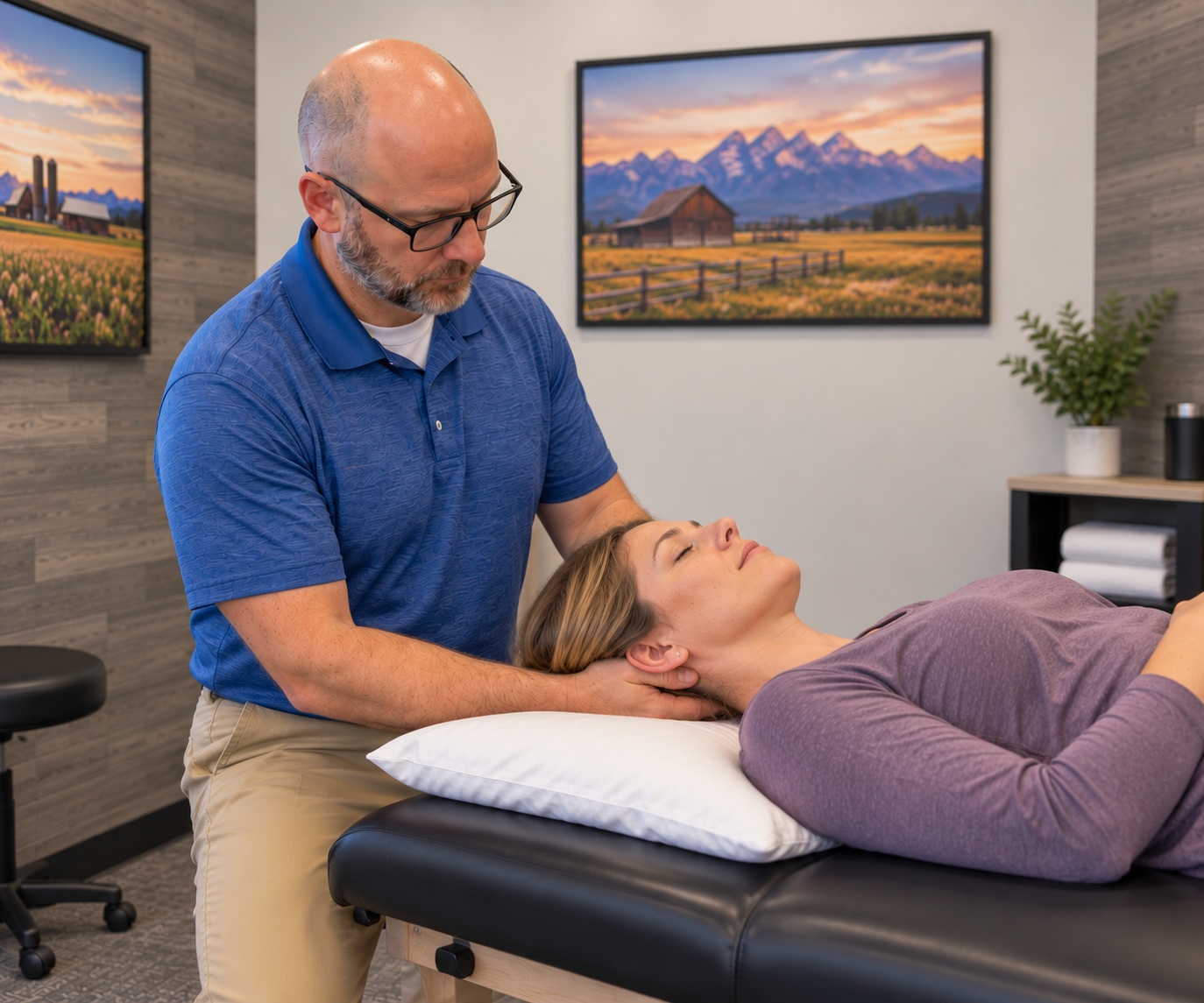
Physical therapy can help address neck pain and certain types of headaches by improving mobility, reducing muscle tension, and restoring strength and movement control. Treatment is based on your symptoms, daily activities, and evaluation findings to help identify factors that may be contributing to your discomfort. Reduce Muscle Tension and Pain: Hands-on treatment, therapeutic exercises, and other appropriate techniques can help reduce muscle tension in the neck, shoulders, and upper back. Improving how these muscles work together may help ease discomfort and reduce some headache symptoms. Improve Neck Mobility: Stiffness and limited movement can make it difficult to turn your head, drive, work, or perform everyday tasks comfortably. Targeted mobility exercises and manual therapy may help restore neck movement and improve comfort. Strengthen the Neck and Upper Back: Weakness or reduced endurance in the muscles supporting the neck and shoulders can contribute to fatigue and discomfort. Specific strengthening exercises can improve support, posture, and tolerance for daily activities. Address Headaches Related to the Neck: When headaches are associated with neck dysfunction, treatment may focus on improving cervical mobility, reducing muscle tension, and addressing movement limitations that contribute to symptoms. Physical therapy may help reduce headache frequency or severity in some people, depending on the underlying cause. Improve Posture and Ergonomics: Prolonged computer use, repetitive activities, and sustained positions can place extra demands on the neck. Your therapist can recommend adjustments to your workstation, daily habits, and movement patterns to help reduce unnecessary strain. Restore Comfort During Daily Activities: Whether neck pain affects your sleep, work, exercise, or ability to drive comfortably, physical therapy can help you gradually return to these activities. Your therapist can also provide strategies for managing symptoms and maintaining progress over time.
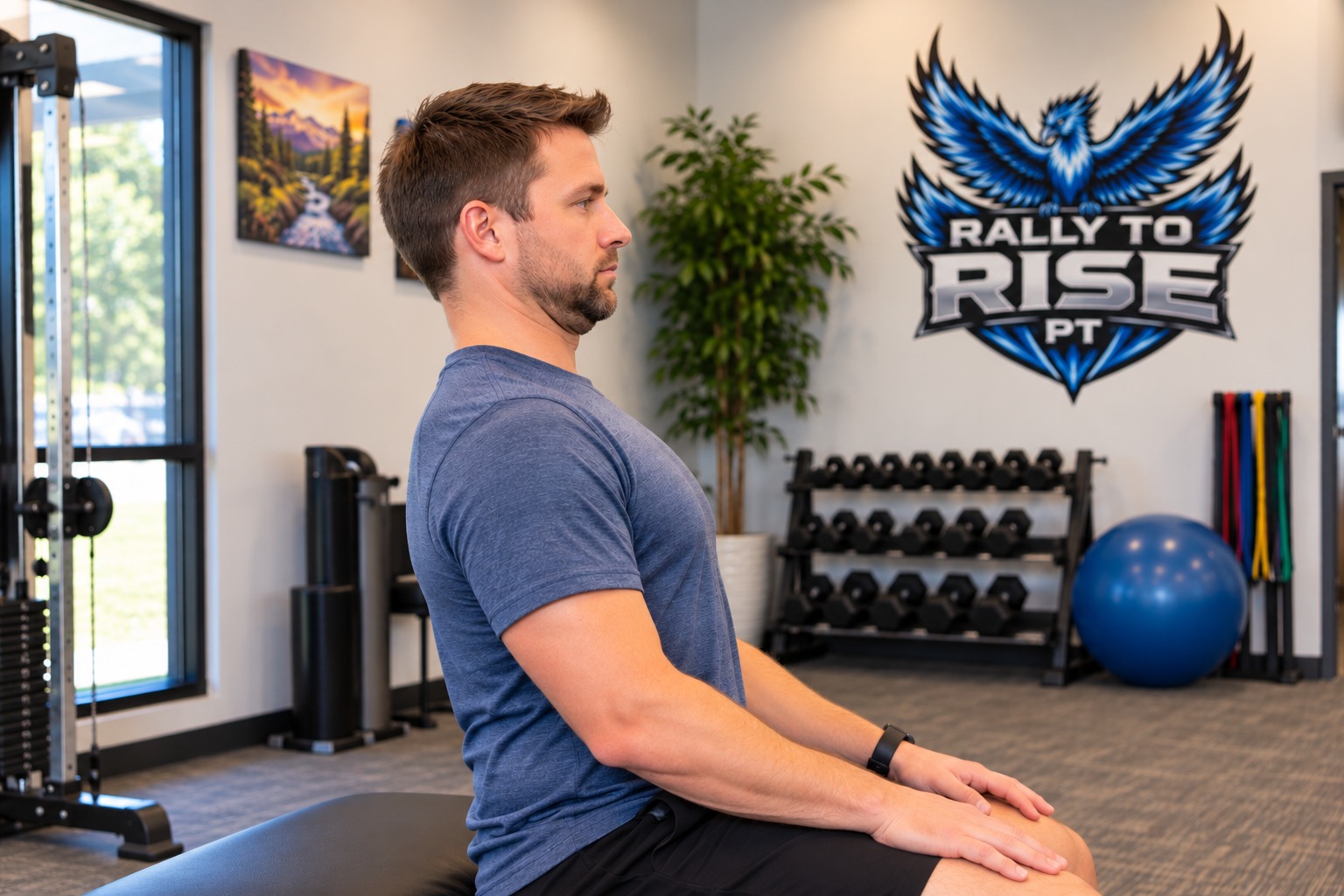
Successful treatment begins with understanding what may be contributing to your neck pain or headaches. Because symptoms can have different causes, your physical therapist will evaluate your neck mobility, strength, posture, and movement patterns to develop a treatment plan tailored to your needs. Individualized Evaluation and Treatment: Your therapist will discuss your symptoms, medical history, and daily activities to identify potential contributing factors. This evaluation helps determine which treatments may be appropriate and whether additional medical evaluation is needed. Manual Therapy and Therapeutic Exercise: Depending on your symptoms, treatment may include hands-on techniques to address muscle tension and restricted mobility, along with exercises to improve flexibility, strength, and endurance. Your plan will progress as your movement and tolerance for activity improve. Managing Recurring Headaches: If your headaches are related to neck dysfunction, improving neck mobility, strengthening supporting muscles, and addressing contributing movement habits may help reduce symptoms and their impact on daily life. Keeping track of headache frequency, triggers, and associated neck symptoms can also help guide treatment. Improving Work and Daily Habits: Small adjustments to your workstation, phone use, sleeping position, and daily movement patterns may help reduce unnecessary strain on your neck. Your therapist can recommend practical changes based on your routine and the activities that aggravate your symptoms. Returning to Normal Activities: Neck pain and headaches can interfere with exercise, work, driving, and sleep. Rehabilitation focuses on gradually improving your ability to perform these activities comfortably while giving you strategies to manage symptoms if they return. Knowing When to Seek Medical Care: Not every headache is caused by the neck. A sudden, severe headache, a headache accompanied by fever or a stiff neck, new weakness or numbness, confusion, or vision or speech changes requires urgent medical evaluation. New or worsening headaches should also be assessed by a healthcare professional. With an individualized treatment plan, many people can improve their neck mobility, manage related headaches, and return to daily activities with greater comfort and confidence.