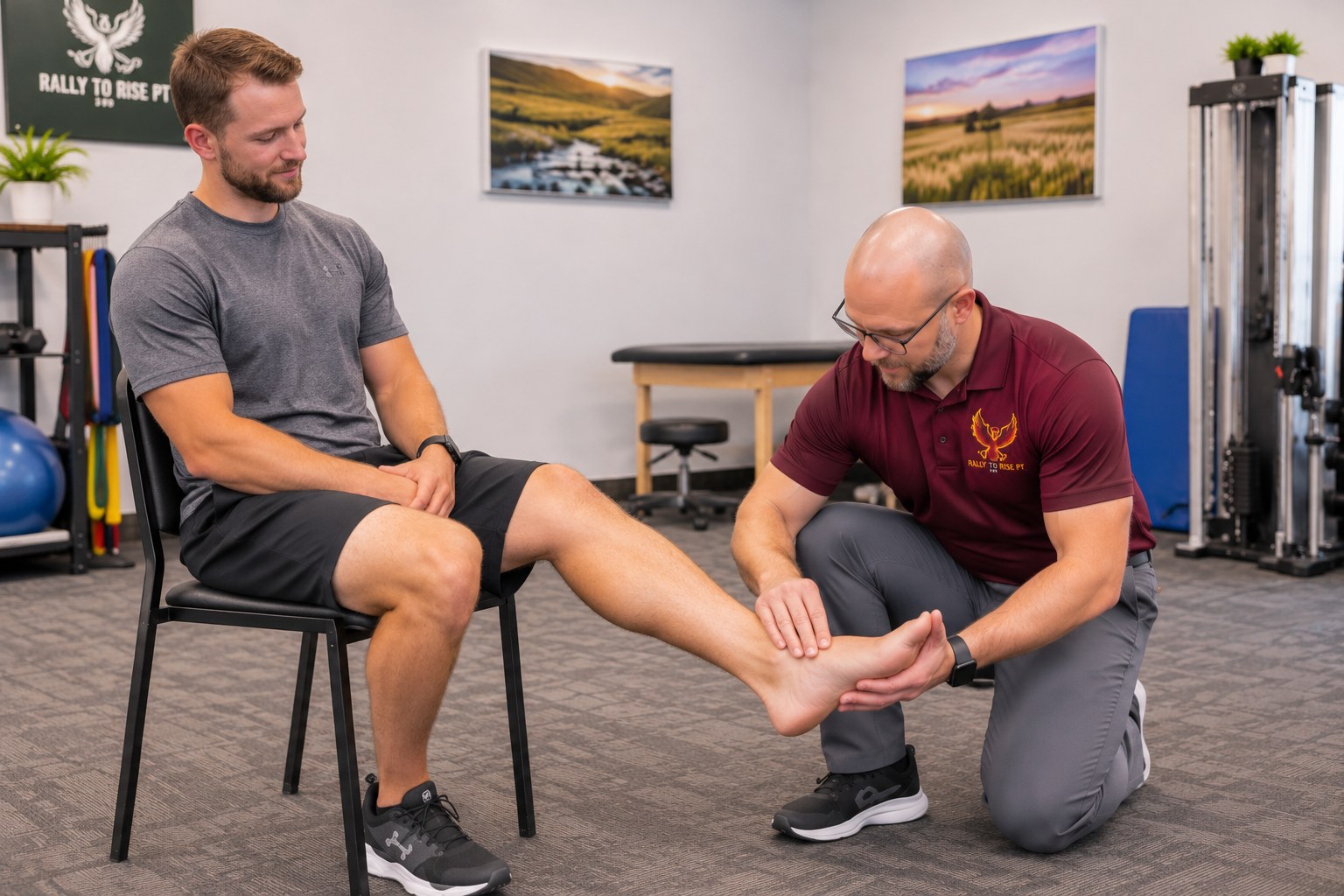
Peripheral neuropathy occurs when nerves outside the brain and spinal cord become damaged or do not function properly. These nerves carry information between the central nervous system and the rest of the body, allowing us to feel sensations, control muscles, and recognize changes in our surroundings. When these signals are disrupted, the brain may not receive accurate information about touch, temperature, pain, or the position of the feet and limbs. Diabetes is one of the most common causes of peripheral neuropathy, but it can also develop from certain medications, injuries, infections, vitamin deficiencies, alcohol-related nerve damage, and other medical conditions. In some cases, the underlying cause may not be identified. Depending on which nerves are affected, individuals may experience changes in sensation, muscle control, or both. Symptoms often begin in the feet and may gradually affect other areas. Because neuropathy can have different underlying causes, identifying and managing the condition responsible for the nerve damage is an important part of care. Medical evaluation may help determine the cause and whether additional treatment is needed. Physical therapy does not repair damaged nerves, but it can help address the effects neuropathy has on movement, strength, balance, and everyday function.
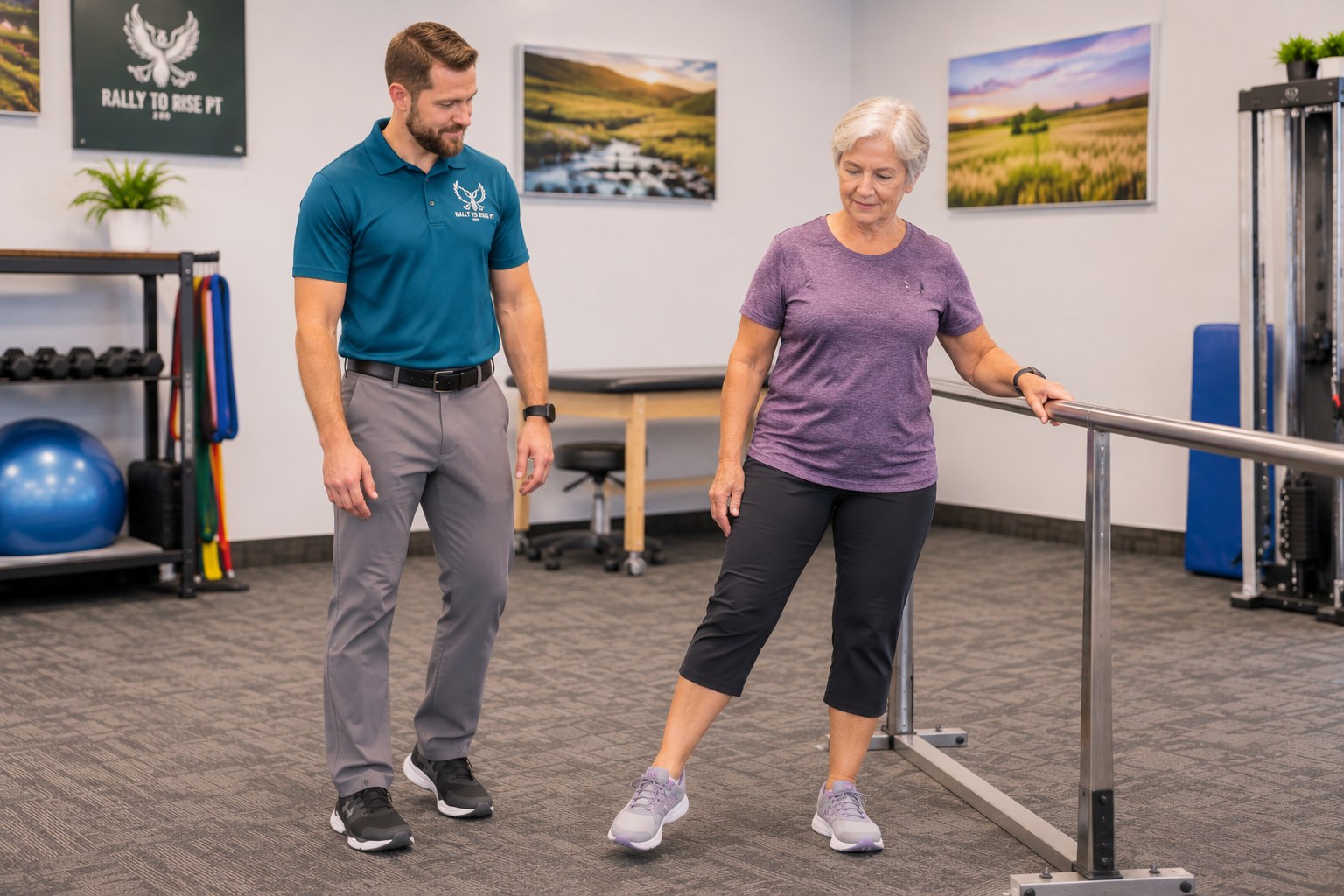
Neuropathy can cause numbness, tingling, burning pain, sensitivity to touch, or a feeling of weakness in the feet and legs. Some individuals describe the sensation as walking on pins and needles, wearing thick socks when barefoot, or having difficulty feeling the ground beneath their feet. Symptoms may be constant or fluctuate throughout the day, and they can affect each person differently. Reduced sensation can make it harder to recognize where your feet are positioned or feel changes in the ground beneath you. This is especially important when walking on uneven surfaces, stepping off a curb, navigating stairs, or moving in low-light environments. When the body receives less sensory information from the feet, it may become more difficult to maintain balance and make quick adjustments when movement becomes unpredictable. Muscle weakness can create additional challenges by affecting the ability to lift the feet, control leg movements, or maintain stability while walking. Some individuals develop changes in their walking pattern, take shorter steps, or become more reliant on visual cues to guide their movements. These changes can increase the risk of falls and make people less confident about participating in activities they previously enjoyed. Physical therapy can help address these limitations through balance training, strengthening, coordination exercises, and strategies for safer movement.
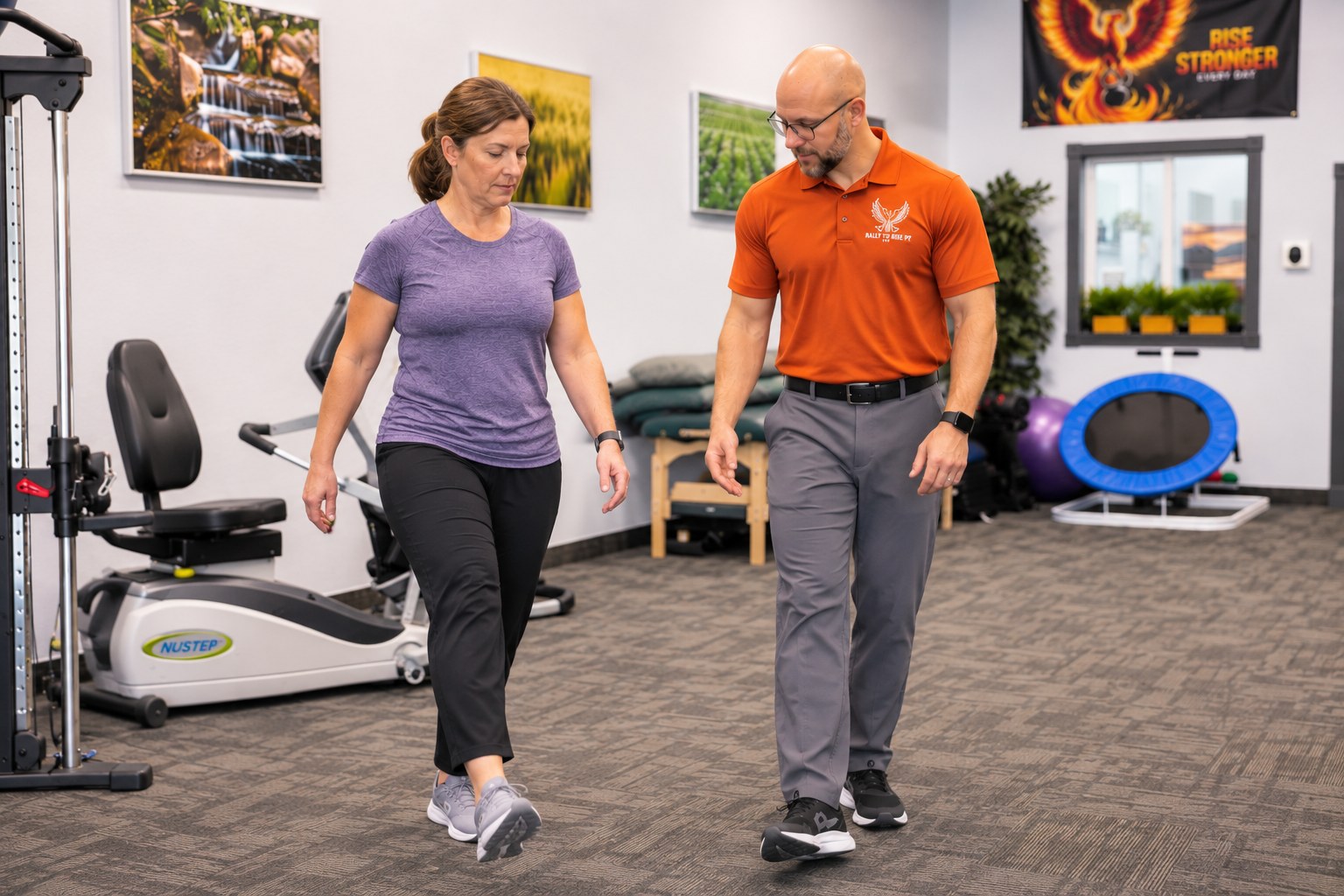
Physical therapy can help improve strength, balance, coordination, and walking ability for individuals experiencing peripheral neuropathy. Treatment is based on the patient's symptoms, physical abilities, and functional goals. Because neuropathy affects everyone differently, exercises and activities should be selected carefully to address the individual's specific limitations without creating unnecessary discomfort or risk. Treatment may include lower-body strengthening exercises to improve the muscles used for standing, walking, and climbing stairs. Balance activities can help improve stability and teach the body to use available sensory information more effectively. Gait training may focus on walking mechanics, foot clearance, step length, and safely navigating different surfaces. Flexibility exercises and mobility work may also be incorporated when stiffness or restricted movement affects daily activities. For individuals with significant sensory loss, physical therapy can emphasize fall prevention and developing safer movement strategies. This may include practicing transfers, navigating obstacles, improving confidence with stairs, and determining whether an assistive device would be beneficial. A therapist can also help identify activities or situations that may increase the risk of falling and recommend ways to make everyday movement safer. While physical therapy cannot restore lost sensation or reverse nerve damage, it can help individuals maintain their physical abilities, compensate for functional limitations, and remain as active and independent as possible.