
Postural dysfunction describes patterns of positioning and movement that may contribute to discomfort, muscle fatigue, or difficulty performing everyday activities. It can involve several areas of the body, including the head, neck, shoulders, upper back, lower back, and pelvis. Common examples include a forward head position, rounded shoulders, an increased rounding of the upper back, or prolonged slouched sitting. These patterns are not necessarily harmful on their own, but spending extended periods in positions that are uncomfortable or difficult to maintain can contribute to symptoms in some individuals. Several factors can influence posture. Spending long hours sitting at a desk, frequently looking down at a phone, driving for extended periods, or performing repetitive work tasks can encourage certain positioning habits. Limited joint mobility, muscle weakness, reduced endurance, and previous injuries may also influence how someone holds and moves their body. In many cases, postural changes develop gradually through a combination of these factors rather than from one specific cause. Symptoms associated with postural dysfunction can vary depending on the individual and the areas involved. Some people experience neck stiffness, headaches, shoulder tension, or upper back discomfort after prolonged sitting or computer work. Others notice lower back fatigue, difficulty standing comfortably for extended periods, or discomfort when performing repetitive activities. Muscle tightness and reduced movement tolerance may also develop when someone spends much of the day in the same position. It is important to understand that posture is not simply a matter of sitting or standing perfectly straight. Healthy movement involves changing positions regularly, using different muscle groups, and having enough strength and mobility to comfortably handle the demands of daily activities. Two people can have very different natural postures and both move comfortably. Physical therapy focuses on identifying the factors contributing to an individual's symptoms and improving the physical abilities needed for comfortable, efficient movement.
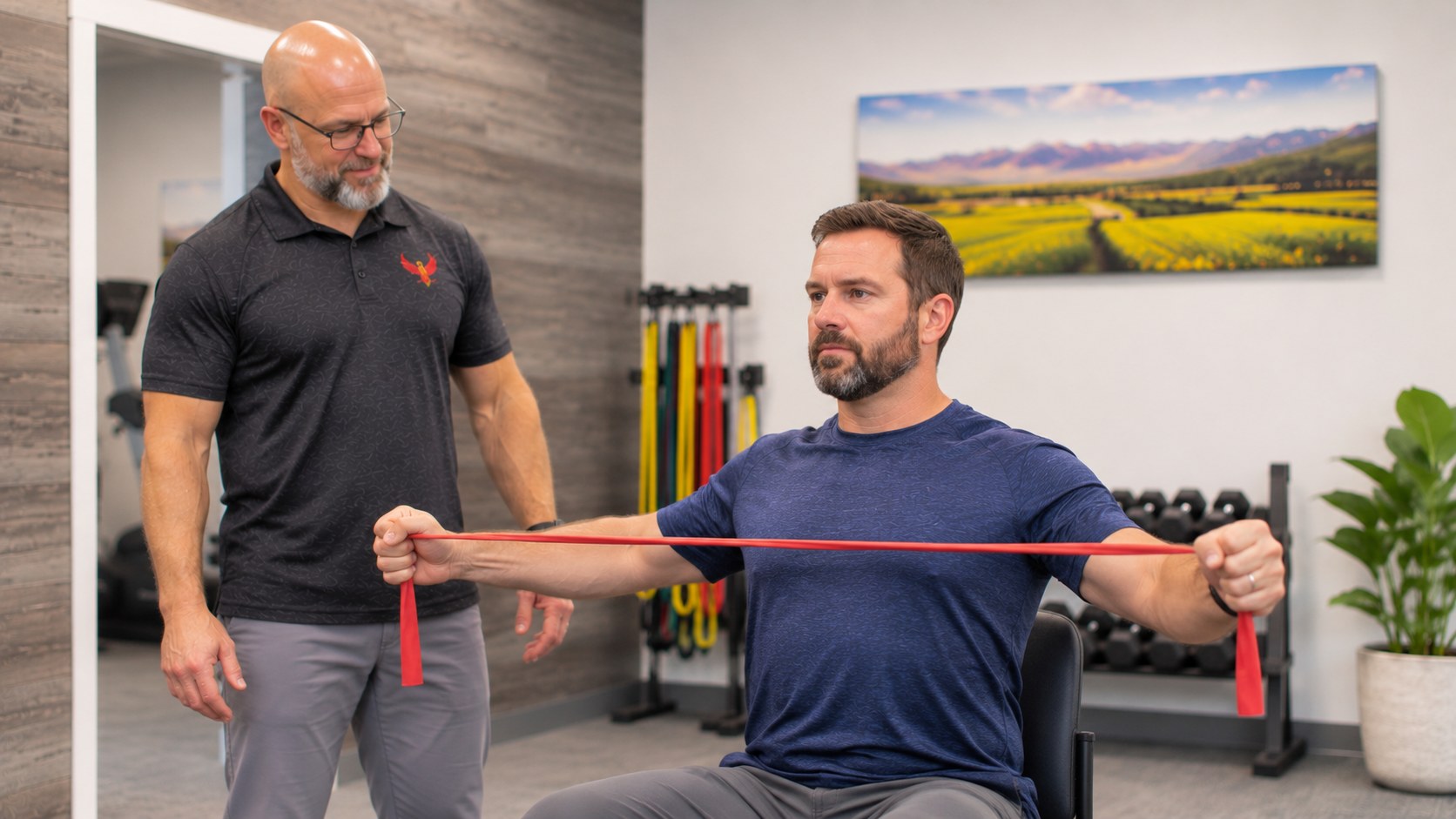
Physical therapy can help address the strength, mobility, and movement limitations that may contribute to postural discomfort. Treatment begins with an evaluation of posture, joint mobility, muscle strength, movement patterns, and the activities that tend to bring on symptoms. Rather than focusing on forcing the body into one ideal position, a physical therapist works to identify areas that may benefit from improved mobility, greater strength, or better movement control. Strengthening exercises may focus on the muscles that support the neck, shoulders, upper back, core, and hips. Improving the endurance of these muscle groups can make it easier to maintain comfortable positions during activities such as sitting at a desk, standing, driving, or performing household tasks. Exercises may include resistance band training, rowing movements, shoulder strengthening, and exercises that improve trunk stability. Mobility exercises can also play an important role in treatment. Limited movement in the neck, shoulders, upper back, or hips may make certain positions more difficult or uncomfortable. A physical therapist may incorporate targeted stretching, joint mobility exercises, and controlled movement to improve flexibility and help the body move more comfortably. The specific exercises depend on each person's limitations and symptoms rather than following a one-size-fits-all routine. Physical therapy also helps individuals develop better awareness of how they move and position themselves throughout the day. This may include practicing comfortable sitting and standing positions, improving lifting mechanics, and learning how to change positions before discomfort builds. By combining strengthening, mobility work, and practical movement strategies, rehabilitation can help improve physical tolerance and make everyday activities more comfortable.

Improving posture is not just about performing exercises or remembering to sit up straight. It also involves developing the strength, mobility, and movement habits needed to comfortably handle the physical demands of everyday life. Many people spend hours sitting at work, driving, looking at electronic devices, or performing repetitive tasks. Learning to vary positions and take regular movement breaks can help reduce prolonged strain and improve comfort throughout the day. At work, small adjustments to your environment and routine can make a difference. Positioning your computer screen at a comfortable viewing height, keeping frequently used items within easy reach, and choosing a chair that provides appropriate support can help make desk work more comfortable. Rather than trying to maintain one rigid sitting position all day, changing positions regularly and taking brief walking or stretching breaks can help reduce stiffness and muscle fatigue. Posture also matters during activities outside of work. Lifting groceries, carrying children, working in the yard, cleaning, and performing household projects all place different demands on the body. Having adequate strength and mobility allows you to handle these activities with greater control and less unnecessary strain. Physical therapy can help identify movement strategies that make these tasks more comfortable while improving your ability to tolerate different positions and physical demands. Long-term improvements come from developing habits that are realistic and sustainable. Regular strengthening, maintaining joint mobility, staying physically active, and avoiding prolonged periods in one position can all support comfortable movement. The goal is not to hold your body in a perfect position throughout the day, but to develop the physical capacity and flexibility to move comfortably, change positions easily, and participate in the activities that are important to you.