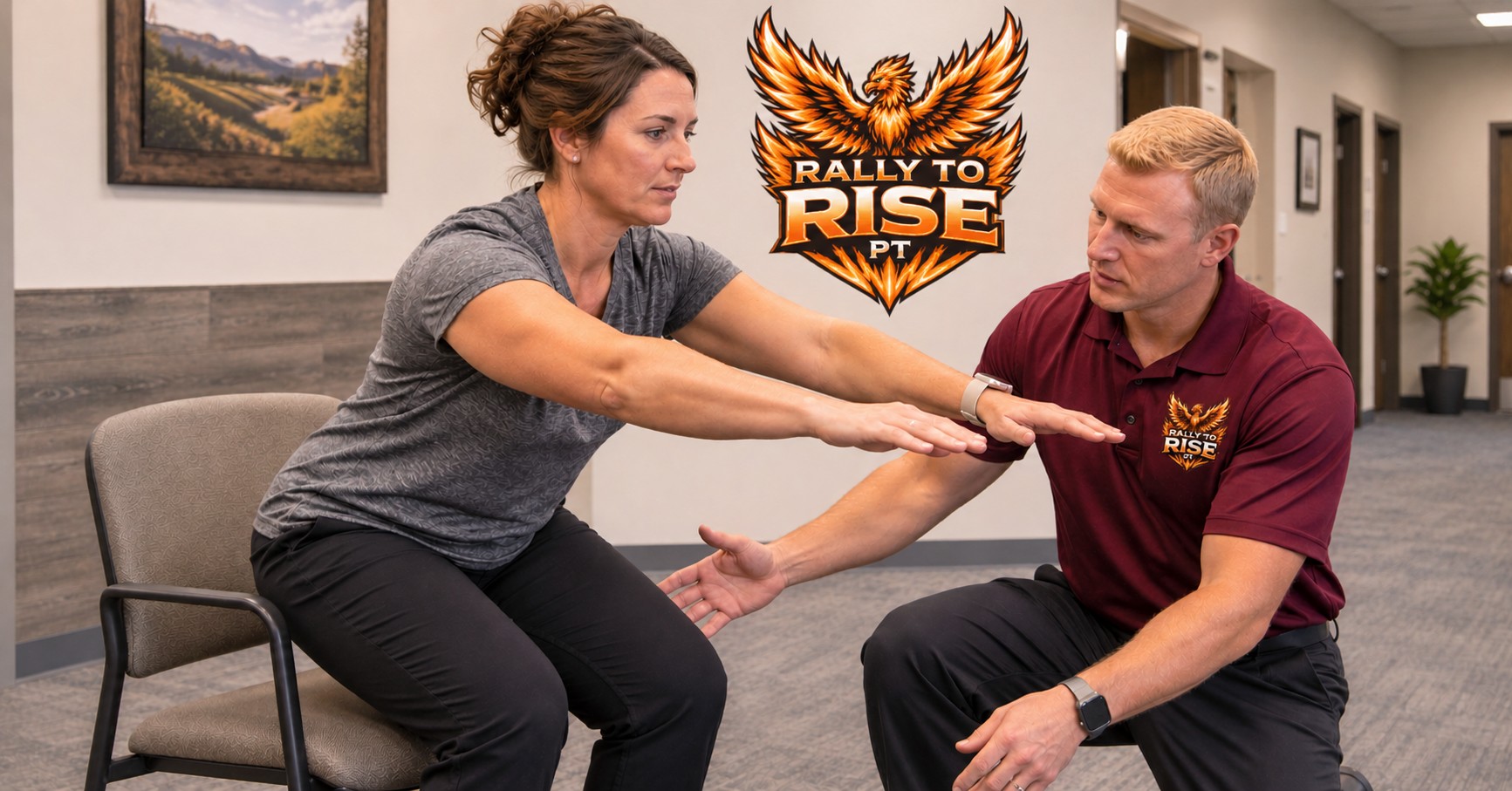
A stroke can affect the brain's ability to communicate with muscles, leading to weakness or difficulty controlling movement on one or both sides of the body. These changes can make everyday activities such as standing up from a chair, climbing stairs, or carrying objects more challenging. Physical therapy can help address these limitations through individualized strengthening exercises and functional activities. Treatment may include practicing sit-to-stand movements, performing targeted exercises for weakened muscles, and gradually increasing resistance as strength and control improve. Exercises are adjusted to each person's abilities and may focus on the arms, legs, or trunk to support better movement and function. The goal is to help patients build strength that carries over into everyday life, making daily activities safer and easier to perform as recovery progresses.
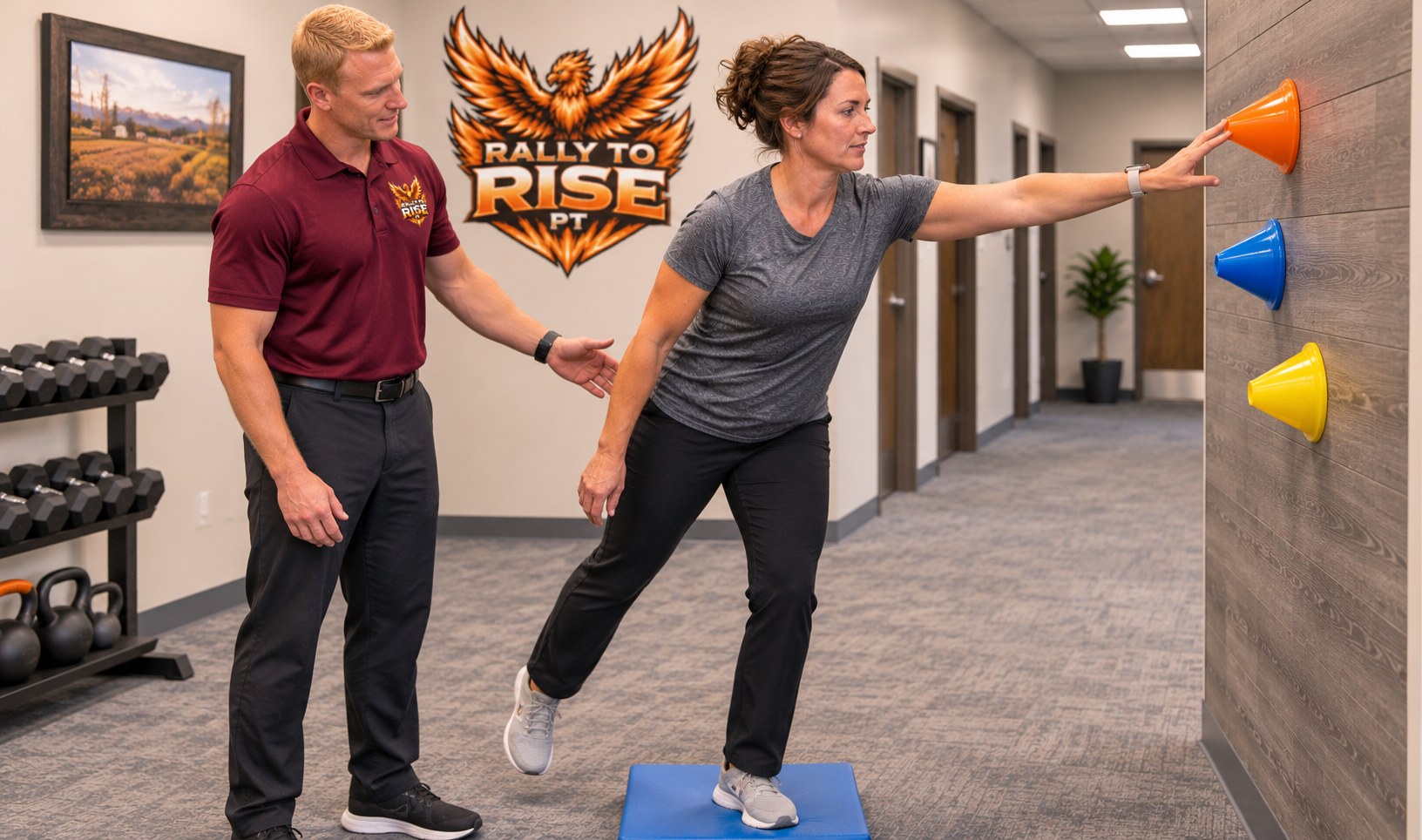
A stroke can affect balance, coordination, and the ability to maintain a stable position while standing or moving. Some individuals may feel unsteady when walking, have difficulty shifting their weight, or struggle to recover their balance when changing directions. These challenges can increase the risk of falls and make everyday activities feel less safe. Physical therapy can help improve balance through exercises that challenge stability in a safe, controlled environment. Treatment may include practicing weight shifting, standing balance activities, controlled reaching, and stepping in different directions. As abilities improve, exercises can progress to more challenging movements that help prepare patients for the demands of daily life. Our goal is to help patients improve their stability, move with greater confidence, and reduce their risk of falling. Exercises are tailored to each person's abilities, with appropriate support and supervision to promote safety throughout rehabilitation.
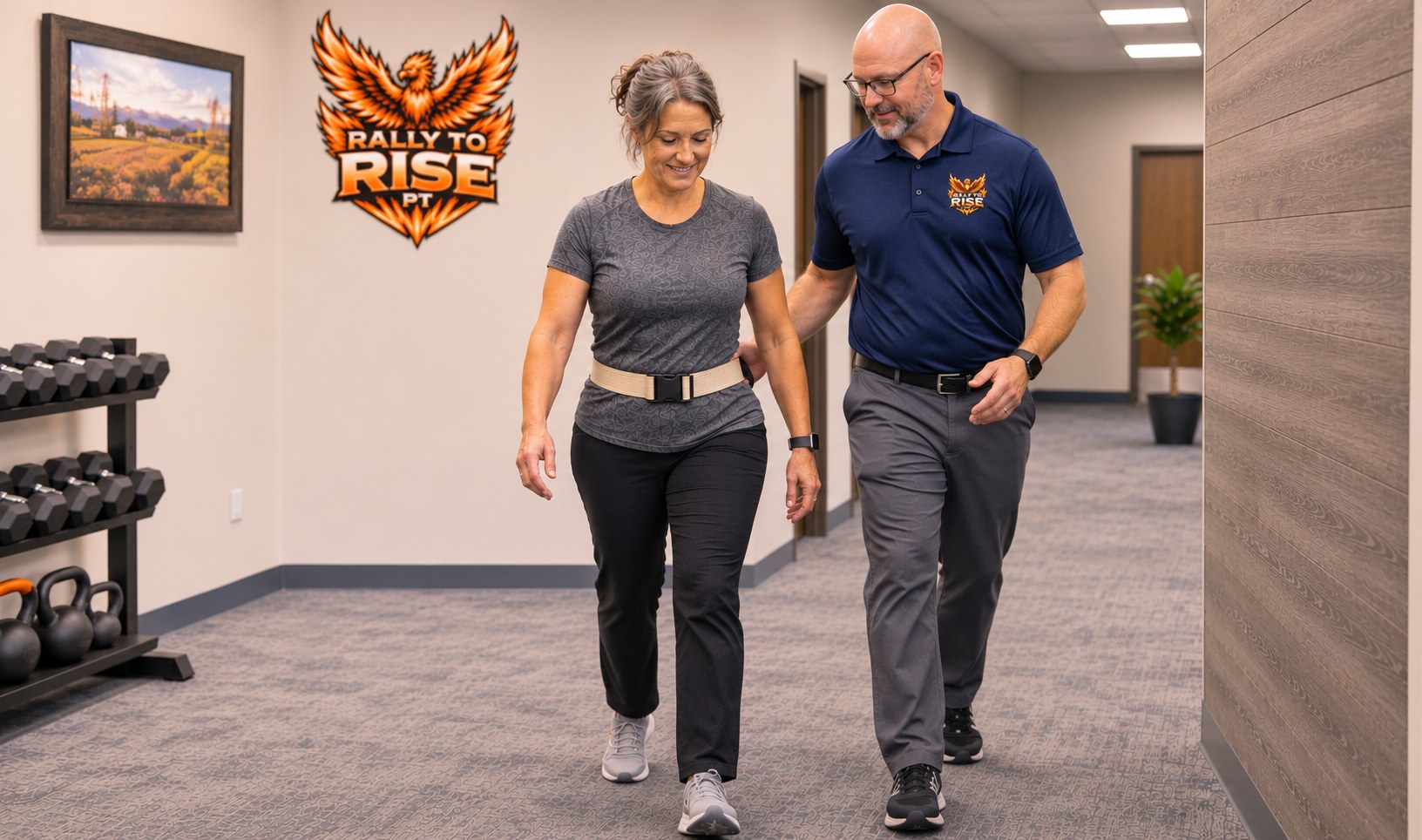
A stroke can affect walking ability by changing muscle strength, coordination, balance, and control of leg movements. Some individuals may develop an uneven walking pattern, have difficulty clearing one foot off the ground, or need assistance when getting up from a chair or moving between surfaces. These challenges can make it harder to move safely and independently at home or in the community. Physical therapy can help improve walking and mobility through task-specific training tailored to each person's needs. Treatment may include practicing walking with appropriate assistance or an assistive device, improving step length and foot clearance, working on turning and changing directions, and practicing transfers such as moving between a chair and standing. Exercises may also target the strength, balance, and coordination needed to make walking more efficient and controlled. The goal is to help patients improve their ability to move safely and participate more fully in daily activities. As progress occurs, treatment can gradually become more challenging to reflect each person's abilities and mobility goals.
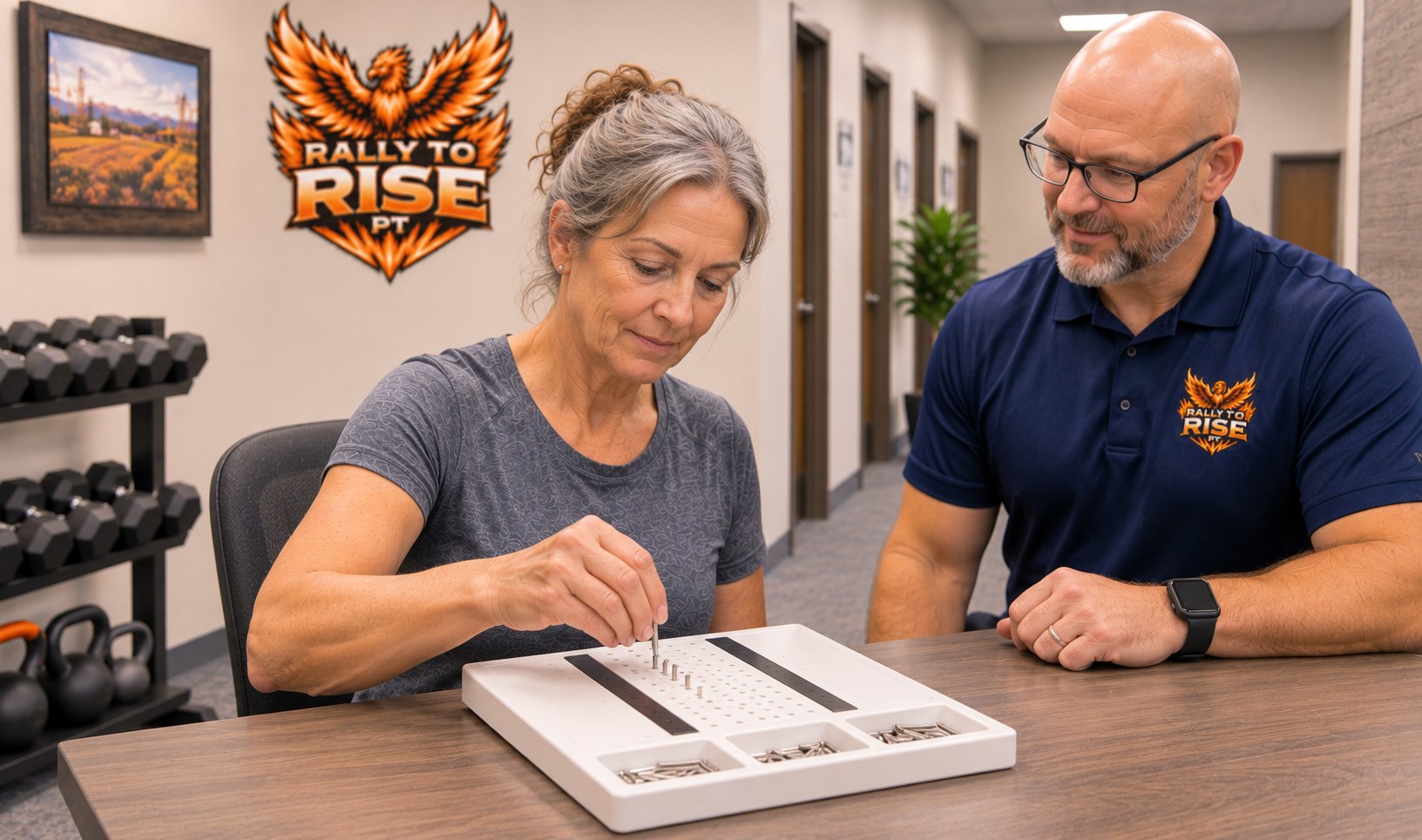
After a stroke, the brain may have difficulty coordinating the signals needed for smooth, controlled movement. This can make everyday tasks more challenging, particularly when reaching for objects, using the arms and legs together, or performing movements that require precision and timing. Some individuals may also have difficulty controlling the affected side of their body or initiating specific movements. Physical therapy can help patients practice movement patterns that support improved motor control and coordination. Treatment may include repeated, task-specific movements, controlled reaching, stepping exercises, and activities that encourage the safe and purposeful use of the affected limbs. Exercises are selected based on each person's abilities and progressed as appropriate to help improve movement quality and functional performance. Repetition and consistent practice can help the brain adapt and develop more effective movement strategies. Rehabilitation focuses on meaningful activities that help patients work toward greater control, improved coordination, and increased independence in their daily lives.
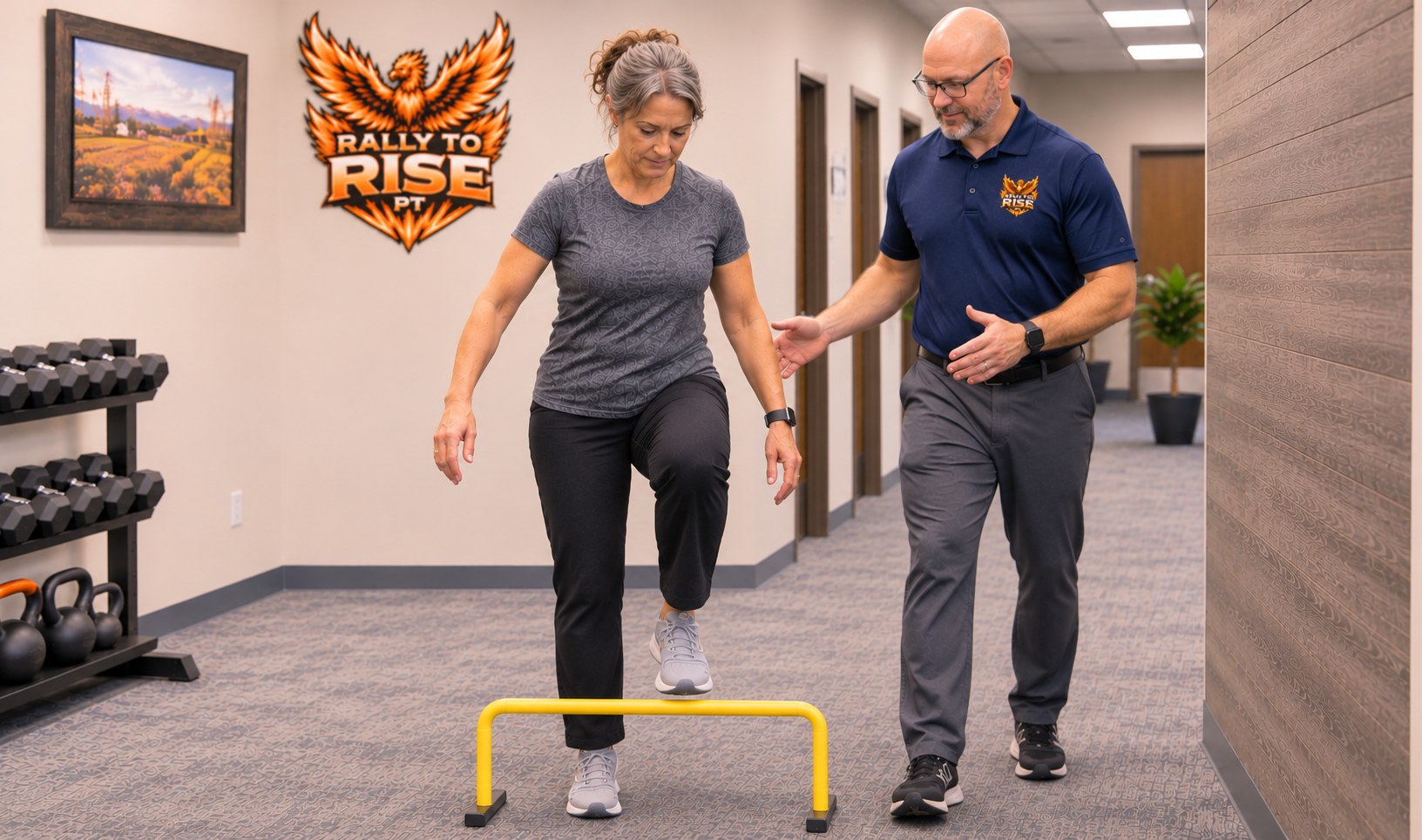
A stroke can make everyday activities more difficult, from getting out of bed and standing up from a chair to navigating the home or managing household tasks. Changes in strength, balance, coordination, and mobility can affect a person's independence and make previously simple activities more challenging. Rehabilitation can help individuals work toward performing these tasks more safely and confidently. Physical therapy focuses on improving the physical skills needed for daily activities through functional exercises and task-specific practice. Treatment may include practicing transfers, improving the ability to stand and move safely, navigating obstacles, and building the strength and endurance needed for everyday routines. Exercises are tailored to each person's goals and may be adapted to reflect the challenges they encounter at home or in the community. By focusing on practical, meaningful movements, physical therapy can help patients work toward greater independence and improved participation in daily life. When needed, rehabilitation may also involve collaboration with occupational therapists and other healthcare professionals to address activities that extend beyond physical therapy.
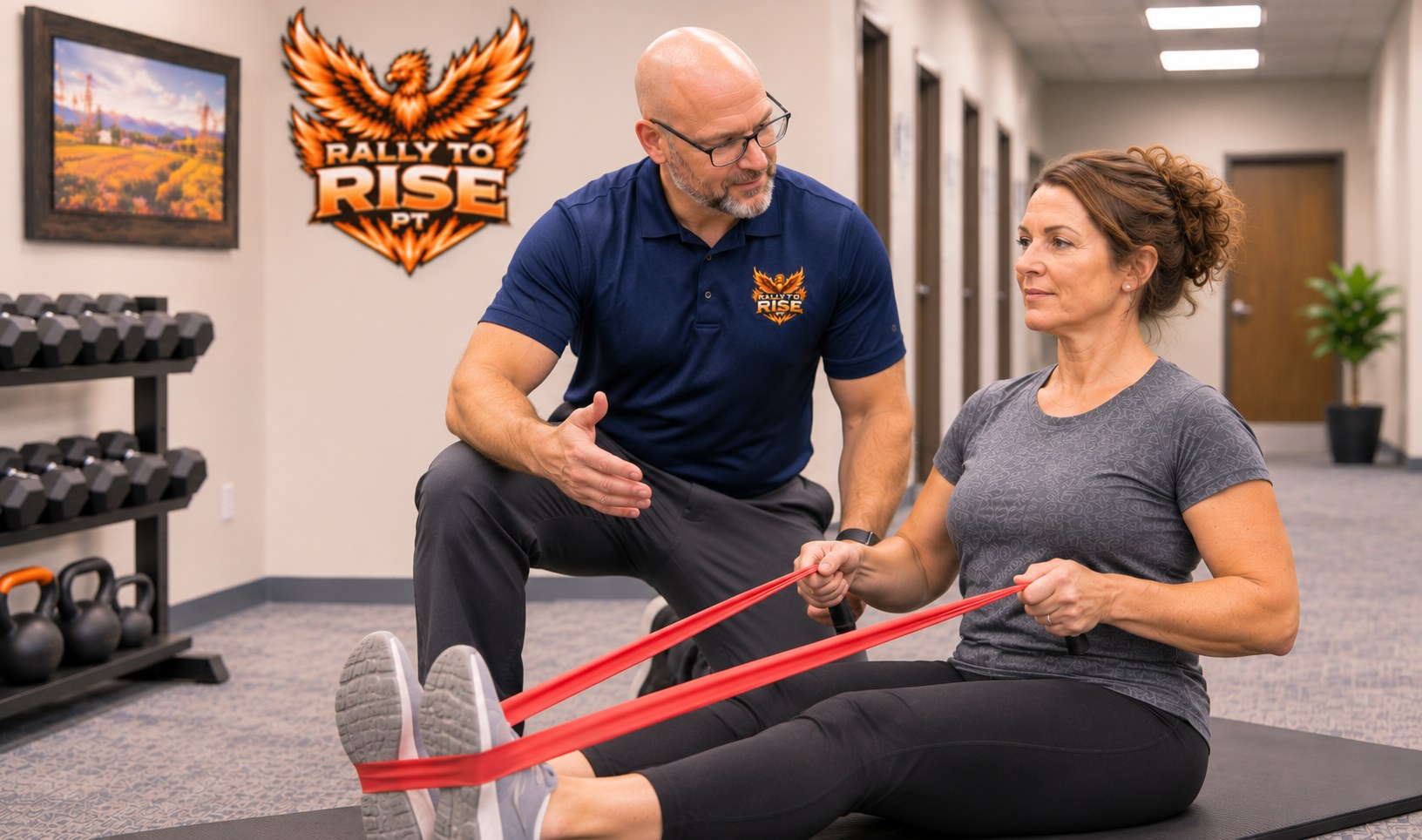
Every stroke affects the body differently, and each person's recovery journey is unique. Some individuals may need help rebuilding strength and balance, while others may be working to improve walking, coordination, or endurance. Rehabilitation needs can also change over time as movement improves and new goals become achievable. At Rally to Rise Physical Therapy, we tailor treatment to each patient's abilities, challenges, and personal goals. Your physical therapy program may include therapeutic exercise, balance training, walking practice, functional movement activities, and other interventions selected to address your specific needs. We monitor your progress and adjust exercises as appropriate to help you continue working toward meaningful improvements in mobility and function. Whether you are beginning outpatient rehabilitation after a stroke or seeking to address ongoing movement difficulties months or years later, physical therapy may help you continue working toward greater independence. Our focus is on providing individualized care that supports your progress and helps you make the most of your abilities.