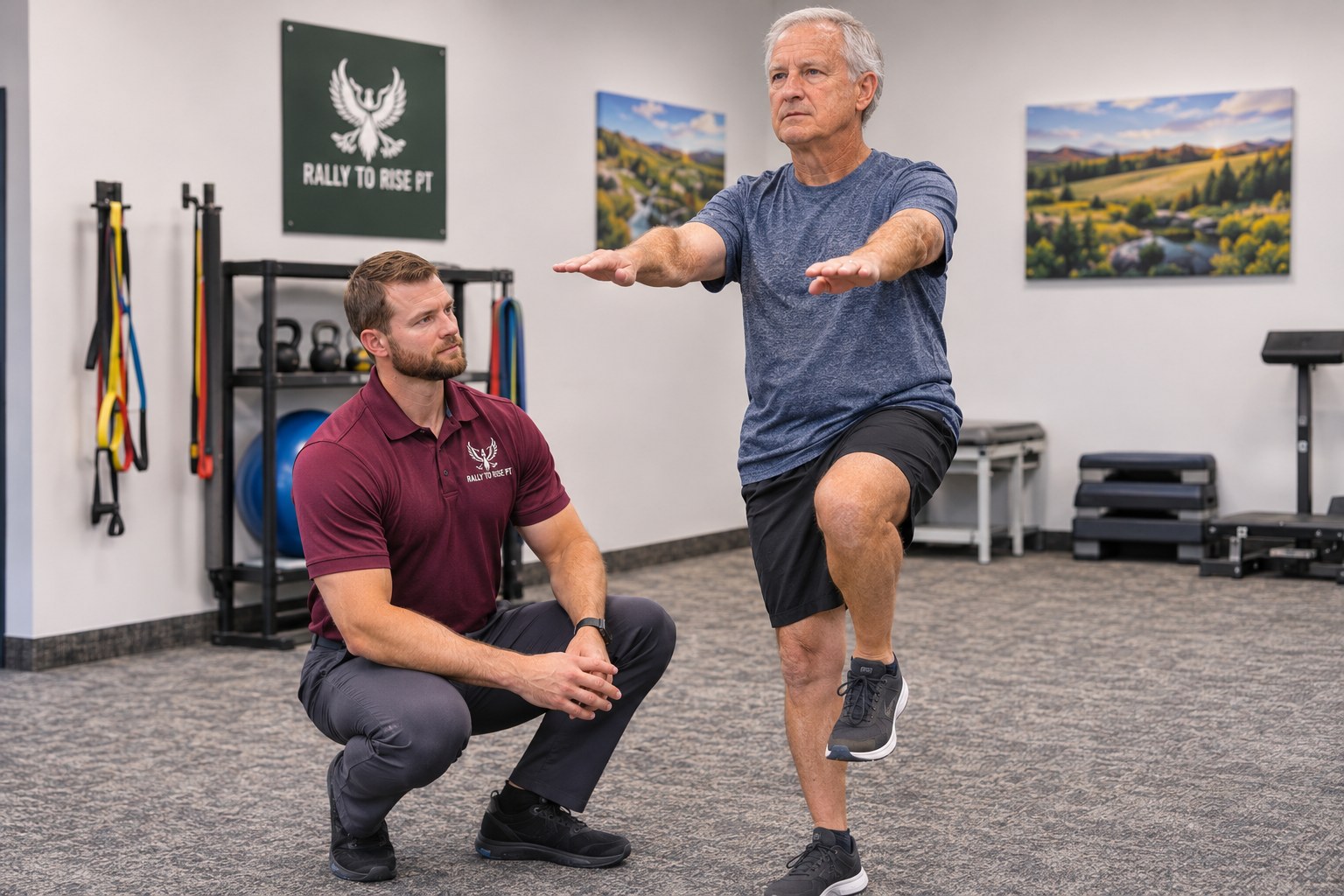
The vestibular system is located within the inner ear and plays an important role in maintaining balance and controlling eye movements. It helps the brain recognize changes in head position and movement so the body can respond appropriately. When the vestibular system is not functioning correctly, the information sent to the brain may become inaccurate or inconsistent, making it difficult to maintain balance or feel steady during movement. Vestibular problems can affect people in different ways. Some experience brief episodes of spinning dizziness, while others have persistent unsteadiness, difficulty focusing their eyes during movement, or a general feeling of being off balance. Understanding how the vestibular system works and identifying the source of symptoms are important first steps in determining the most appropriate treatment.
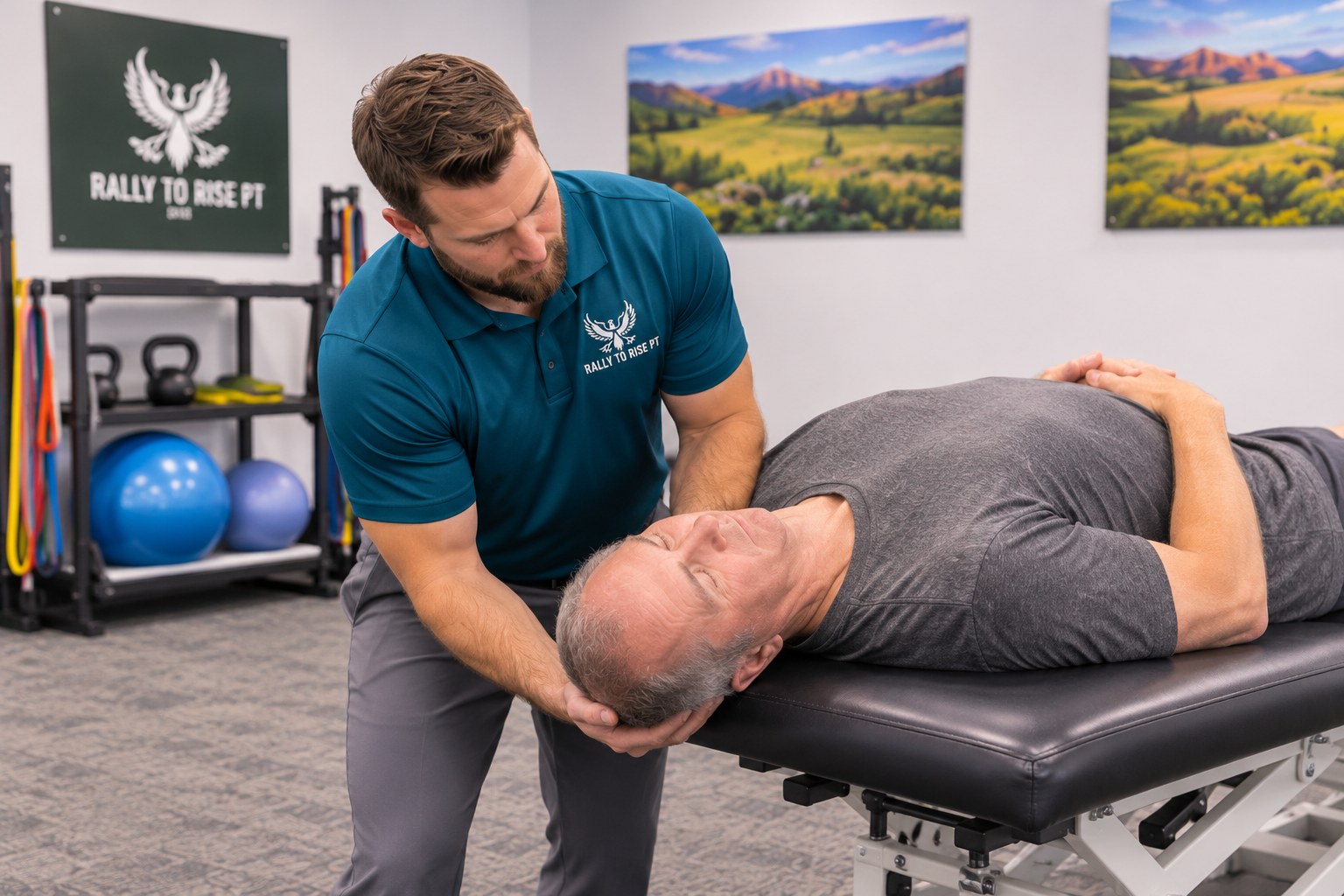
Benign paroxysmal positional vertigo, commonly called BPPV, is one of the most common causes of vertigo. It occurs when small calcium crystals become displaced within the inner ear and move into one of the semicircular canals. These crystals interfere with the normal detection of head movement, causing the brain to receive inaccurate signals about the body's position. BPPV typically causes brief episodes of spinning dizziness with certain head movements, such as rolling over in bed, looking up, bending forward, or getting up from a lying position. Although the sensation can be intense and uncomfortable, BPPV is often successfully treated with specific repositioning maneuvers. A physical therapist can perform appropriate testing to identify the affected ear and canal, then use the corresponding maneuver to guide the displaced crystals back to their proper location.
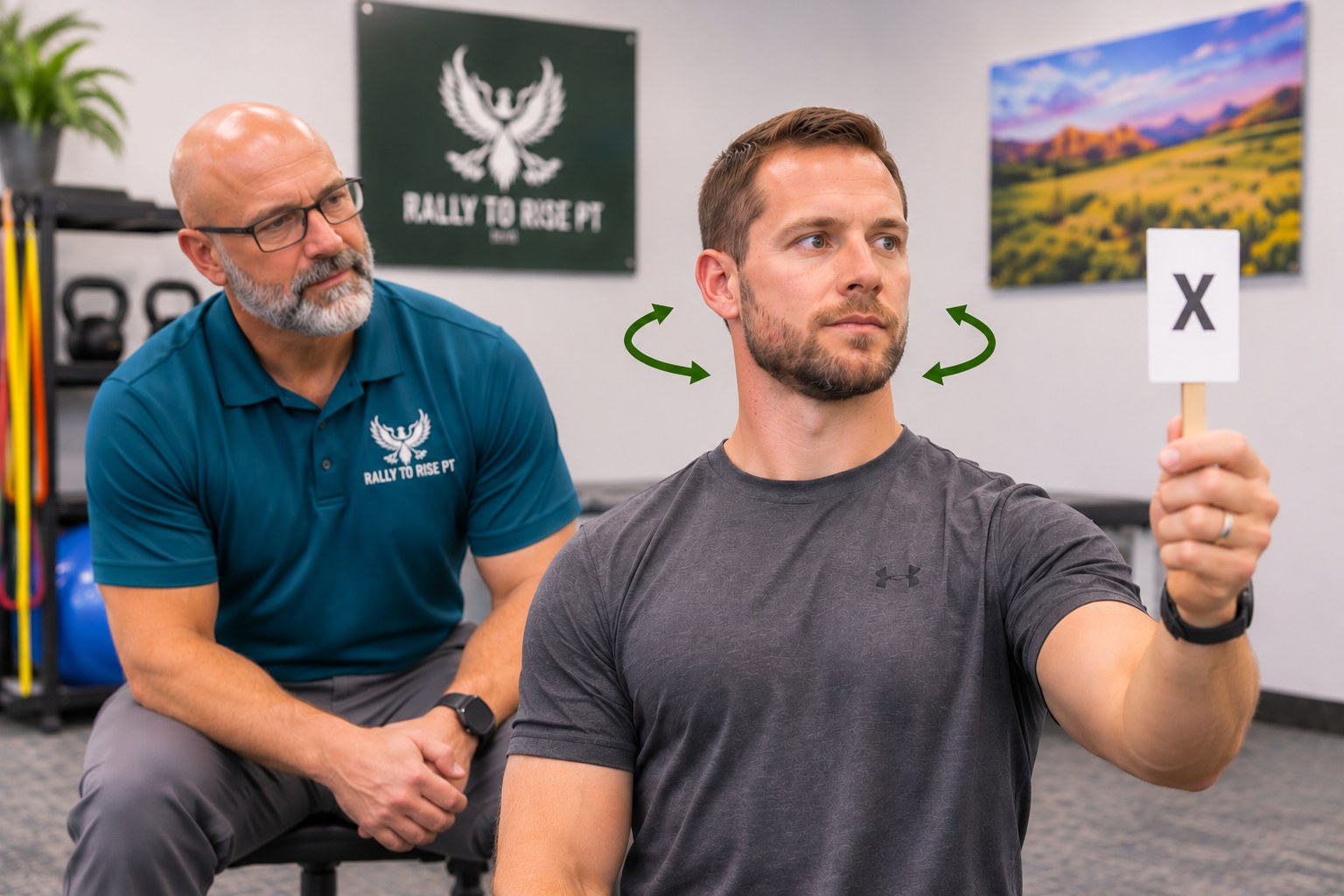
Vestibular hypofunction occurs when one or both inner ears have a reduced ability to detect head movement and communicate balance information to the brain. This can make it difficult to maintain clear vision while moving the head, a symptom sometimes described as blurred or bouncing vision. Individuals may also experience unsteadiness while walking, difficulty with quick head movements, and increased difficulty balancing in low-light environments or on uneven surfaces. Vestibular rehabilitation can help the brain adapt to reduced vestibular input through specialized exercises. Treatment commonly includes gaze stabilization activities, balance training, and walking exercises designed to improve coordination between the eyes, head, and body. The goal is to improve stability and make everyday movement more comfortable and predictable.
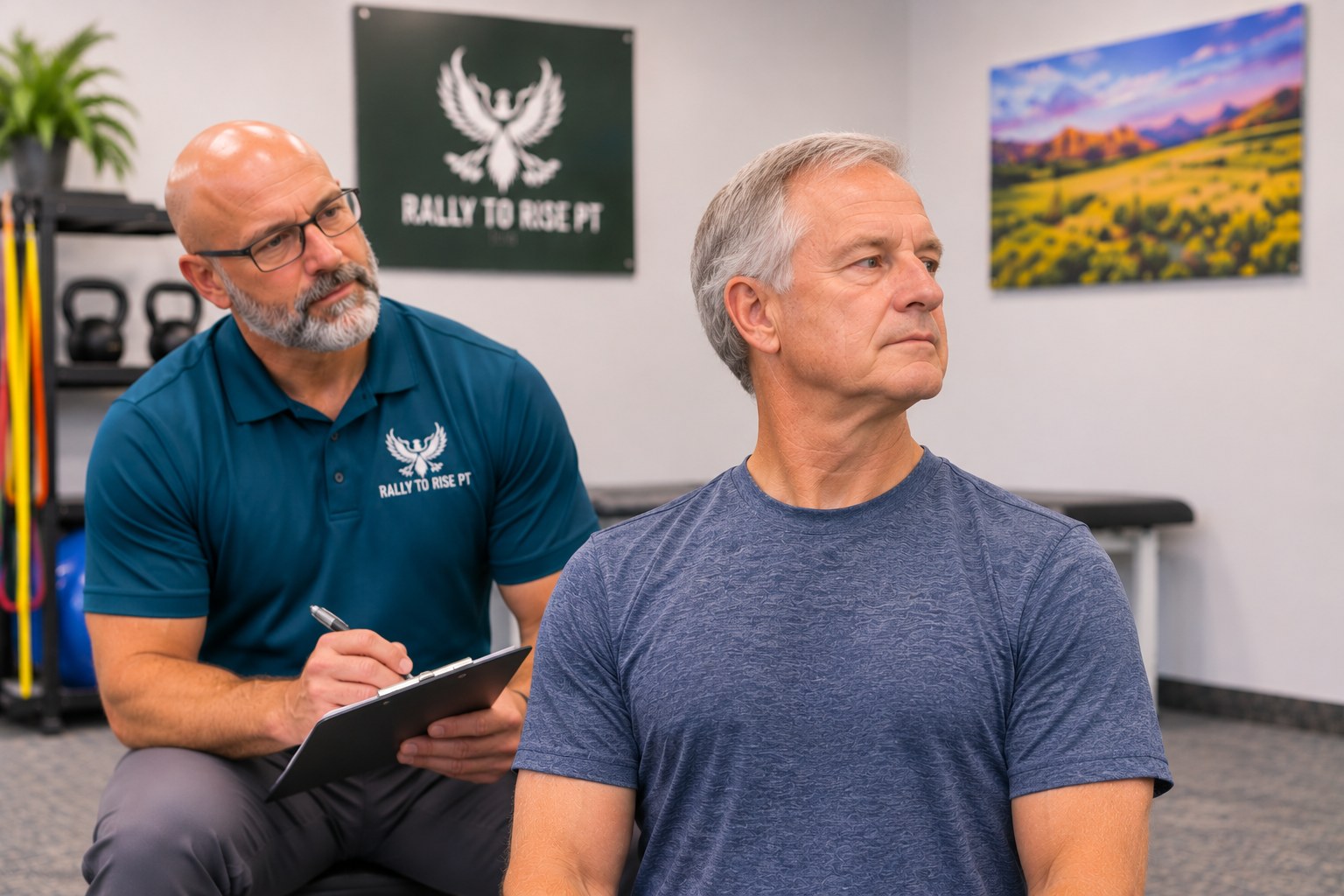
Vestibular neuritis involves inflammation of the vestibular nerve, which carries balance information from the inner ear to the brain. It often causes sudden, prolonged vertigo, dizziness, and difficulty walking. Labyrinthitis can produce similar symptoms but also involves the inner ear structures responsible for hearing and may cause hearing changes. Other individuals experience vestibular symptoms following a concussion or with certain migraine conditions. Depending on the diagnosis, rehabilitation may focus on improving gaze stability, balance, walking ability, and tolerance to movement. Because these conditions can have different causes and treatment needs, a thorough evaluation is important before beginning rehabilitation.
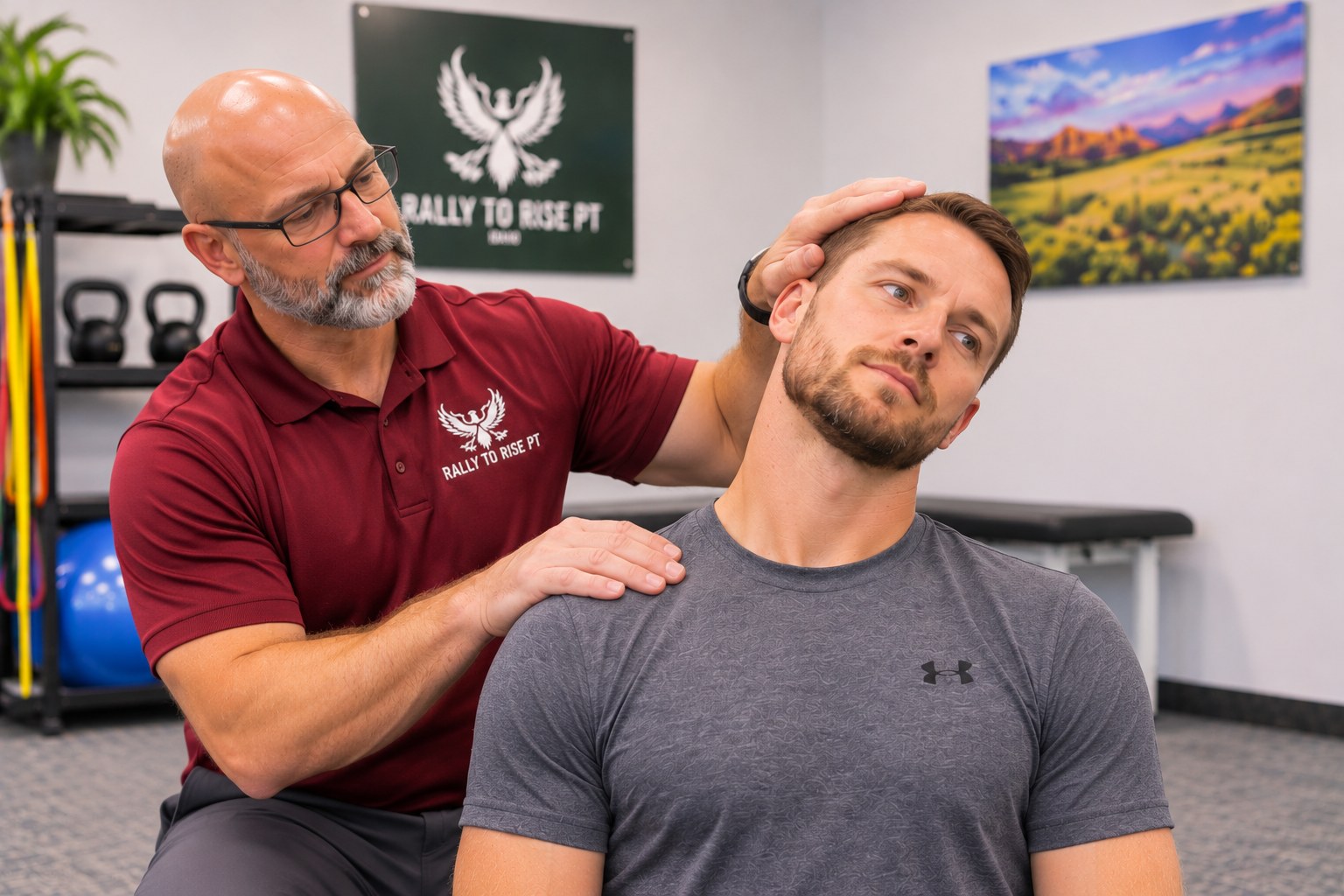
Cervicogenic dizziness is a term used to describe dizziness or unsteadiness believed to be associated with dysfunction in the neck. It may occur alongside neck pain, stiffness, reduced mobility, or a history of neck injury. Some individuals notice symptoms when turning their head, maintaining certain neck positions, or performing activities that place additional demands on the neck. The relationship between the neck and balance system is complex, and cervicogenic dizziness is generally considered after other potential causes of dizziness have been evaluated. Physical therapy may include neck mobility exercises, strengthening, postural training, and manual therapy when appropriate. Treatment focuses on improving neck function and addressing movement limitations that may be contributing to symptoms.
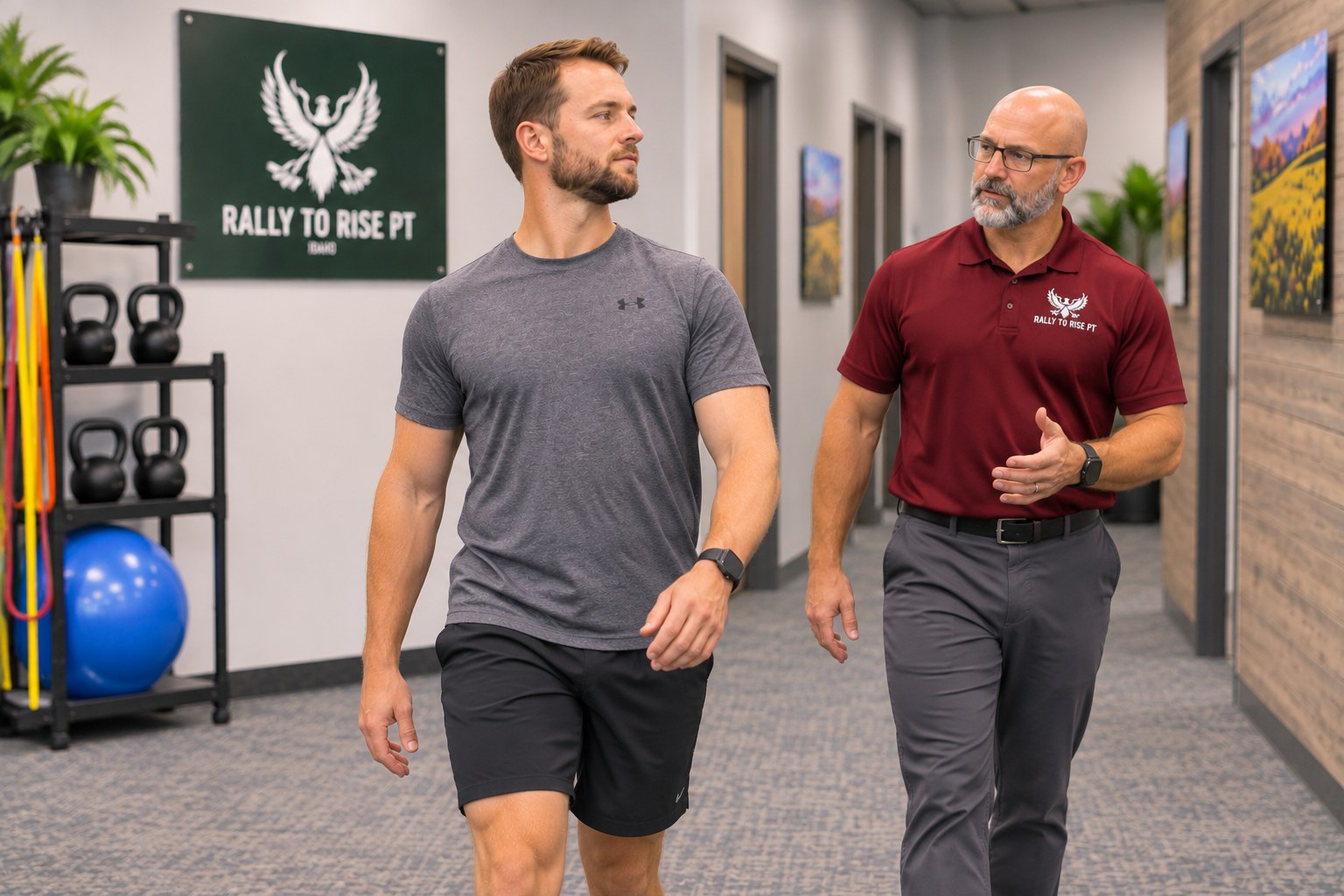
Vestibular rehabilitation is a specialized form of physical therapy designed to improve balance, reduce dizziness, and help the brain adapt to changes in the vestibular system. Treatment is based on the individual's symptoms, examination findings, and functional limitations. For individuals with BPPV, treatment may include specific repositioning maneuvers to guide displaced calcium crystals back to their appropriate location within the inner ear. Other treatment approaches may include gaze stabilization exercises, balance training, habituation activities, gait training, and neck rehabilitation when appropriate. Exercises are selected and progressed according to each person's condition and tolerance. Some activities may temporarily increase symptoms, but they should be performed at an appropriate intensity and adjusted when necessary. The goal is to improve coordination between the eyes, head, and body while helping individuals return to everyday activities with greater confidence.