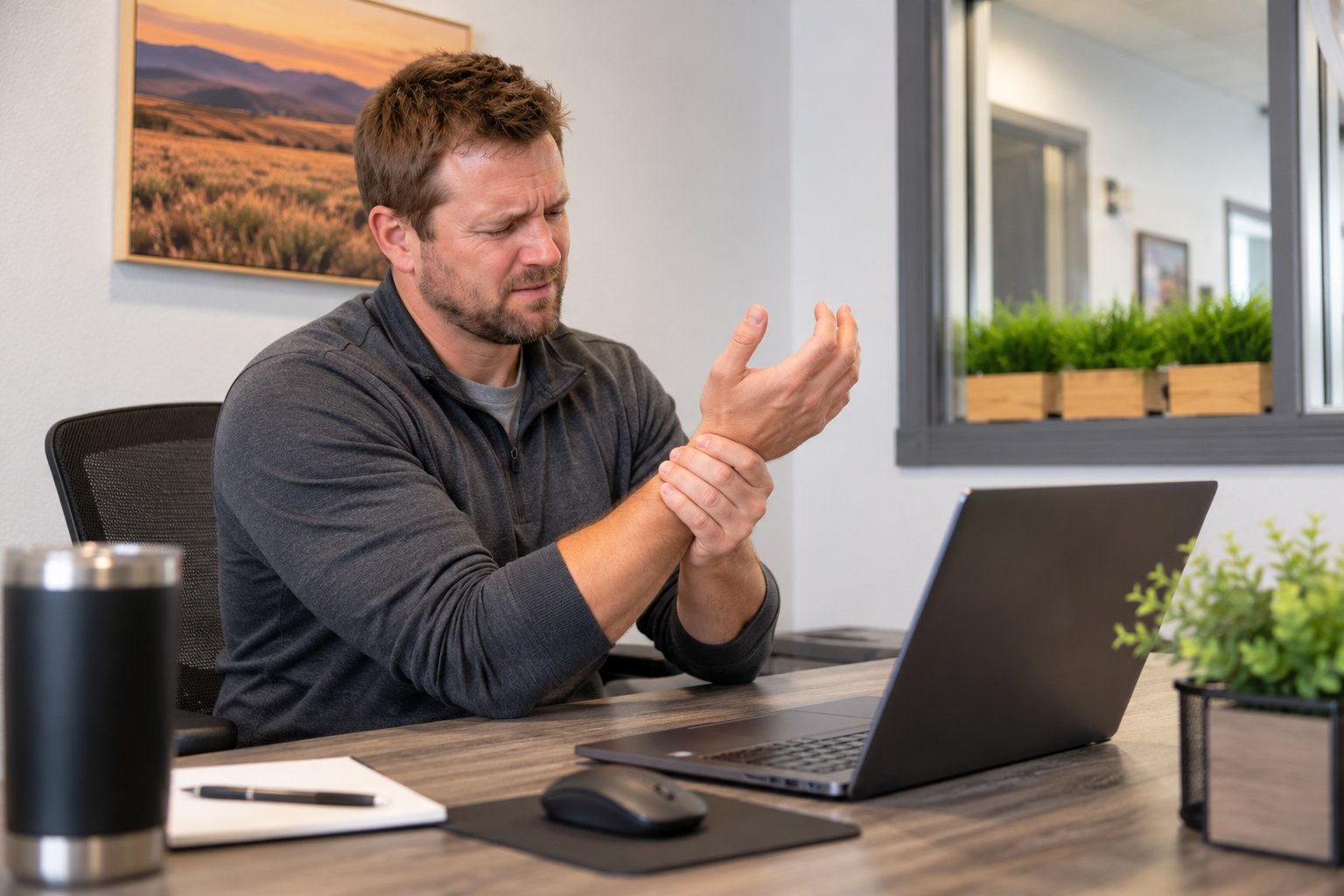
Wrist and elbow pain can develop from repetitive movements, overuse, injuries, or conditions affecting the tendons, nerves, and joints. Some problems begin gradually, while others develop after a specific injury. Tennis Elbow: Pain on the outside of the elbow, often associated with repetitive gripping, lifting, or wrist movements. Golfer’s Elbow: Pain on the inside of the elbow that can develop from repetitive wrist and forearm use. Carpal Tunnel Syndrome: Compression of a nerve at the wrist that can cause numbness, tingling, pain, or weakness in the hand and fingers. Wrist Sprains and Injuries: Damage to the ligaments or other tissues around the wrist that can cause pain, swelling, and limited movement. Tendon Injuries: Irritation or overuse of tendons in the wrist, forearm, or elbow that can make lifting, gripping, and other everyday activities uncomfortable. Repetitive-Use Injuries: Repeated movements at work, during sports, or while performing hobbies can contribute to pain, stiffness, and reduced function. Identifying the source of your symptoms is an important first step toward choosing the right treatment and returning to your normal activities.
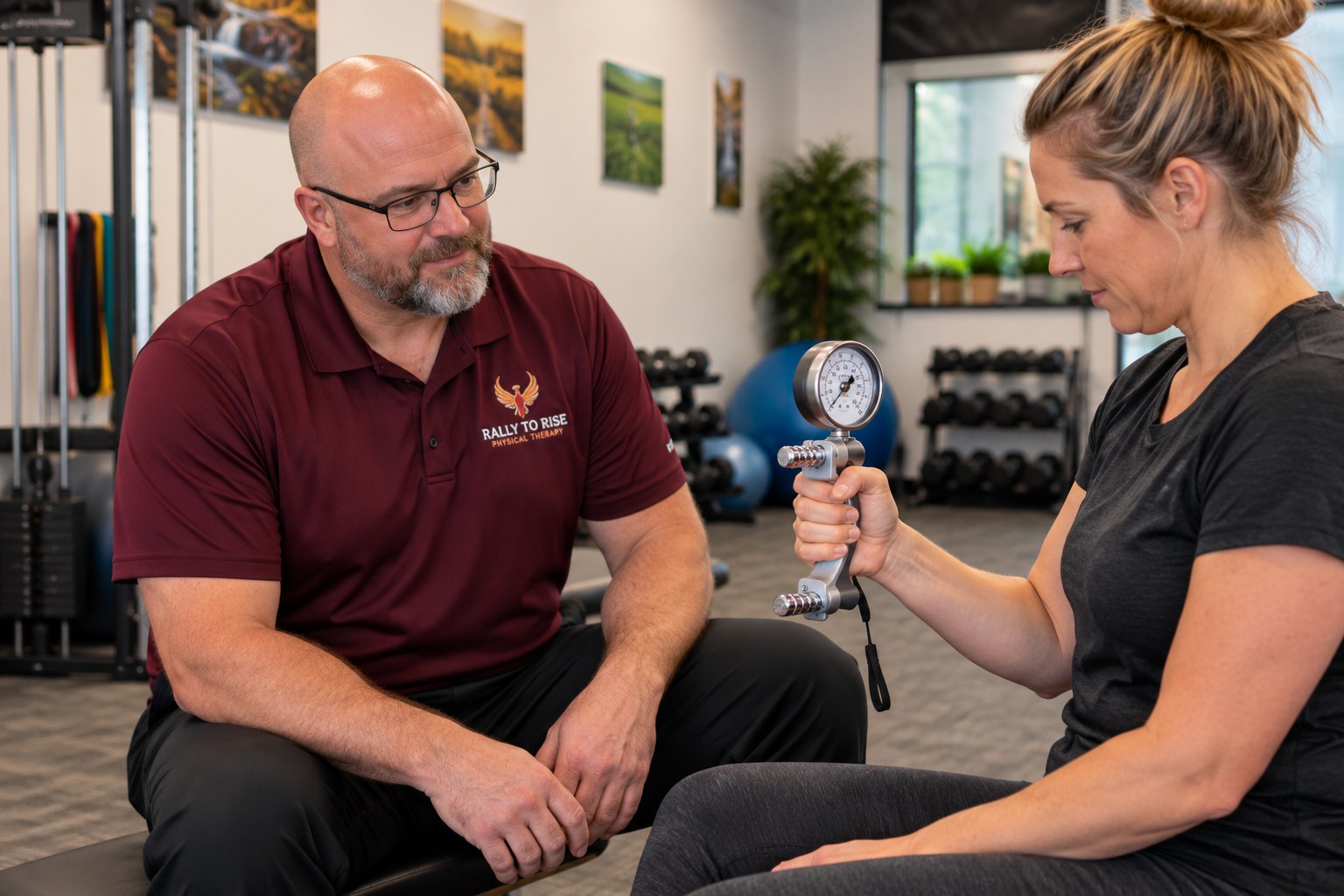
Physical therapy can help reduce wrist and elbow pain, restore movement, and improve strength so you can return to your daily activities. Treatment is tailored to your specific condition, symptoms, and goals. Reduce Pain and Irritation: Treatment can help address factors contributing to pain and irritation, including repetitive stress, muscle tension, and excessive strain on affected tissues. Improve Mobility and Flexibility: Targeted exercises and manual therapy can help restore comfortable movement in the wrist, elbow, and forearm, especially when stiffness limits your ability to work or perform everyday tasks. Build Strength and Stability: Strengthening the muscles of the hand, wrist, forearm, and shoulder can improve support for the affected area and make lifting, gripping, and other activities easier. Address Tendon Problems: Conditions such as tennis elbow and golfer’s elbow often benefit from progressive strengthening exercises that help tendons tolerate everyday demands and repetitive activities. Improve Nerve-Related Symptoms: For conditions such as carpal tunnel syndrome, physical therapy may include strategies to reduce irritation, improve movement, and address contributing factors. Persistent numbness or weakness may require further medical evaluation. Return to Daily Activities: Your therapist can help you modify aggravating movements and gradually resume work, sports, hobbies, and other activities without placing unnecessary stress on the affected area.

Recovering from wrist and elbow pain involves more than simply reducing symptoms. Physical therapy focuses on restoring strength, improving movement, and helping the affected tissues tolerate the demands of your daily life. Individualized Treatment Plans: Your therapist will evaluate your symptoms, mobility, strength, and daily activities to develop a treatment plan that fits your needs. Treatment may differ depending on whether you're recovering from a wrist injury, dealing with tennis or golfer’s elbow, or experiencing symptoms of carpal tunnel syndrome. Progressive Strengthening: Exercises are gradually adjusted as your symptoms improve and your strength increases. For tendon conditions, this approach helps improve the tissues' ability to handle lifting, gripping, and repetitive movements. Activity and Movement Modifications: Small changes to how you perform tasks at work, at home, or during sports can help reduce unnecessary strain. Your therapist can recommend practical adjustments based on the activities that aggravate your symptoms. Preventing Recurring Problems: Improving strength, flexibility, and movement habits can help reduce the risk of recurring pain. Your therapist will help you understand how to manage your symptoms and safely progress toward your usual activities. Returning to Work and Sports: Whether you spend your day working with your hands, playing tennis or golf, lifting weights, or enjoying other hobbies, rehabilitation can help you gradually return to those activities with greater strength and confidence.