
Sports injuries can occur during competition, practice, workouts, or recreational activities. Some happen suddenly from a fall, collision, or awkward movement, while others develop gradually from repetitive stress or increasing activity too quickly. Physical therapy can help address a wide range of injuries that affect athletic performance. Muscle Strains: Injuries to muscles or tendons, such as hamstring pulls, groin strains, and calf strains, can cause pain, weakness, and difficulty running, jumping, or changing direction. Ligament Sprains: Sprains occur when ligaments supporting a joint are stretched or torn. Common examples include ankle sprains and knee ligament injuries that can affect stability and confidence during sports. Knee and Shoulder Injuries: Sports that involve running, jumping, throwing, or overhead movements can place significant demands on the knees and shoulders. Tendon irritation, joint injuries, and muscle weakness can make it difficult to perform at your usual level. Overuse Injuries: Repetitive movements and training demands can contribute to conditions such as tendinopathy, shin pain, and other problems that develop gradually. These injuries may worsen when activity continues without adequate recovery. Ankle and Foot Injuries: Ankle sprains, Achilles tendon problems, and foot pain can interfere with running, jumping, balance, and quick changes in direction. Recurring Injuries and Movement Limitations: Previous injuries, reduced strength, limited mobility, or balance and coordination problems can affect how your body handles the demands of your sport. Identifying these limitations can help guide rehabilitation and reduce the risk of future problems. Recognizing the type of injury and understanding the demands of your sport are important steps toward choosing the right treatment and returning to activity safely.
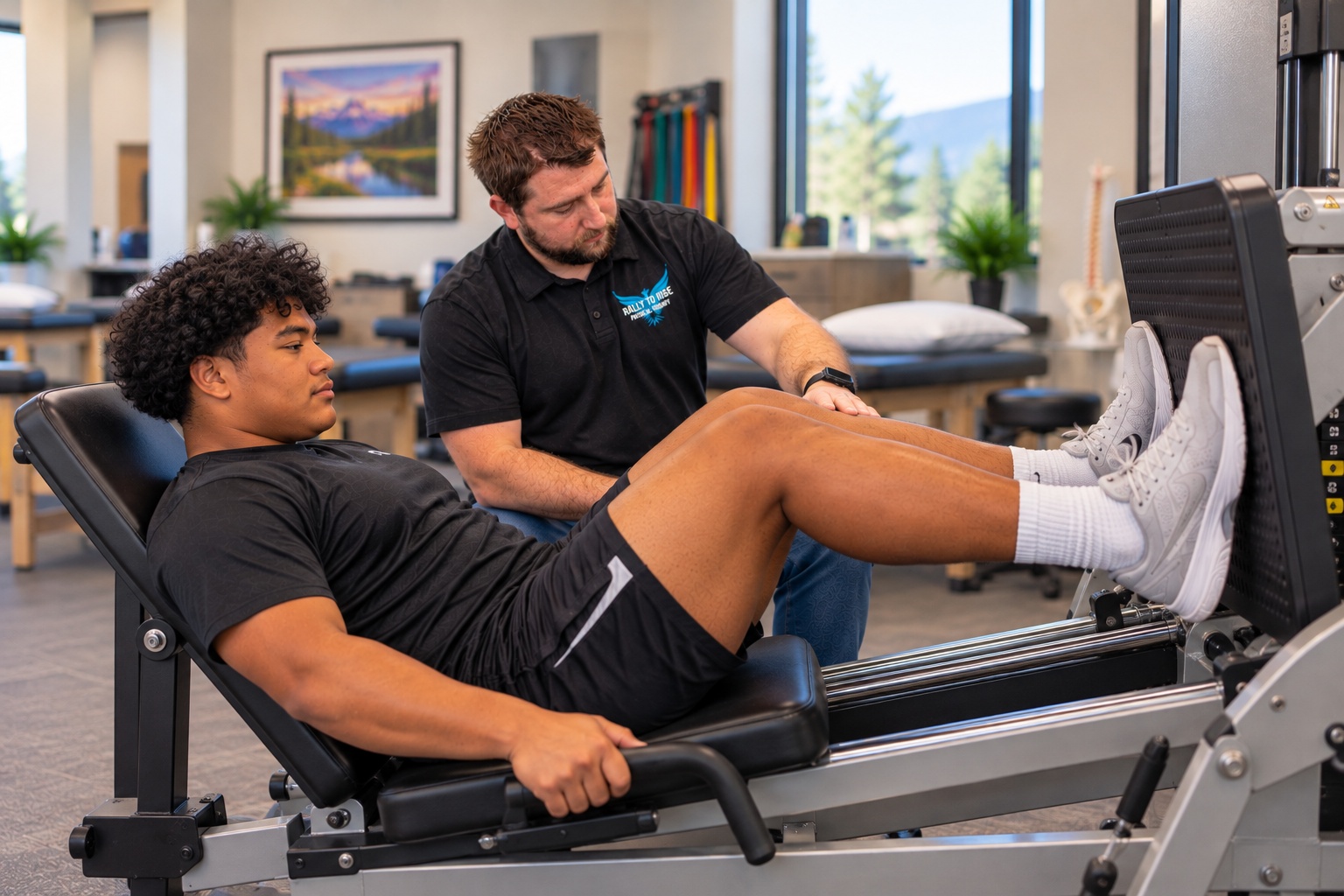
Sports rehabilitation focuses on helping athletes recover from injuries, restore physical abilities, and prepare their bodies for the demands of their sport. Treatment is tailored to your injury, activity level, and goals so you can make progress safely and confidently. Reduce Pain and Improve Mobility: Therapeutic exercise, manual therapy, and other appropriate treatments can help reduce discomfort and restore movement after an injury. Improving flexibility and joint mobility can make running, jumping, lifting, and other athletic movements more comfortable. Rebuild Strength and Endurance: Injuries can leave muscles weak and reduce your ability to tolerate training. Progressive strengthening helps restore muscle function and build the endurance needed to perform during practices, competitions, and workouts. Improve Balance and Coordination: Balance, stability, and body control are important for athletes of all levels. Targeted exercises can help improve coordination and control during landing, cutting, pivoting, and other movements that place demands on your joints and muscles. Correct Movement Limitations: Your therapist can assess movement patterns that may be affected by an injury or contribute to excessive stress on certain tissues. Addressing limitations in strength, mobility, or movement control can help you perform athletic tasks more efficiently. Build Tolerance for Sport-Specific Activities: Rehabilitation gradually progresses toward the movements and physical demands of your sport. Depending on your needs, this may include running, jumping, throwing, agility drills, or other activities that prepare you for a return to practice and competition. Develop a Plan for Continued Progress: Recovery doesn't end when pain improves. Your therapist can help you understand how to progress your training, recognize signs that you're doing too much, and maintain the strength and mobility needed to stay active.
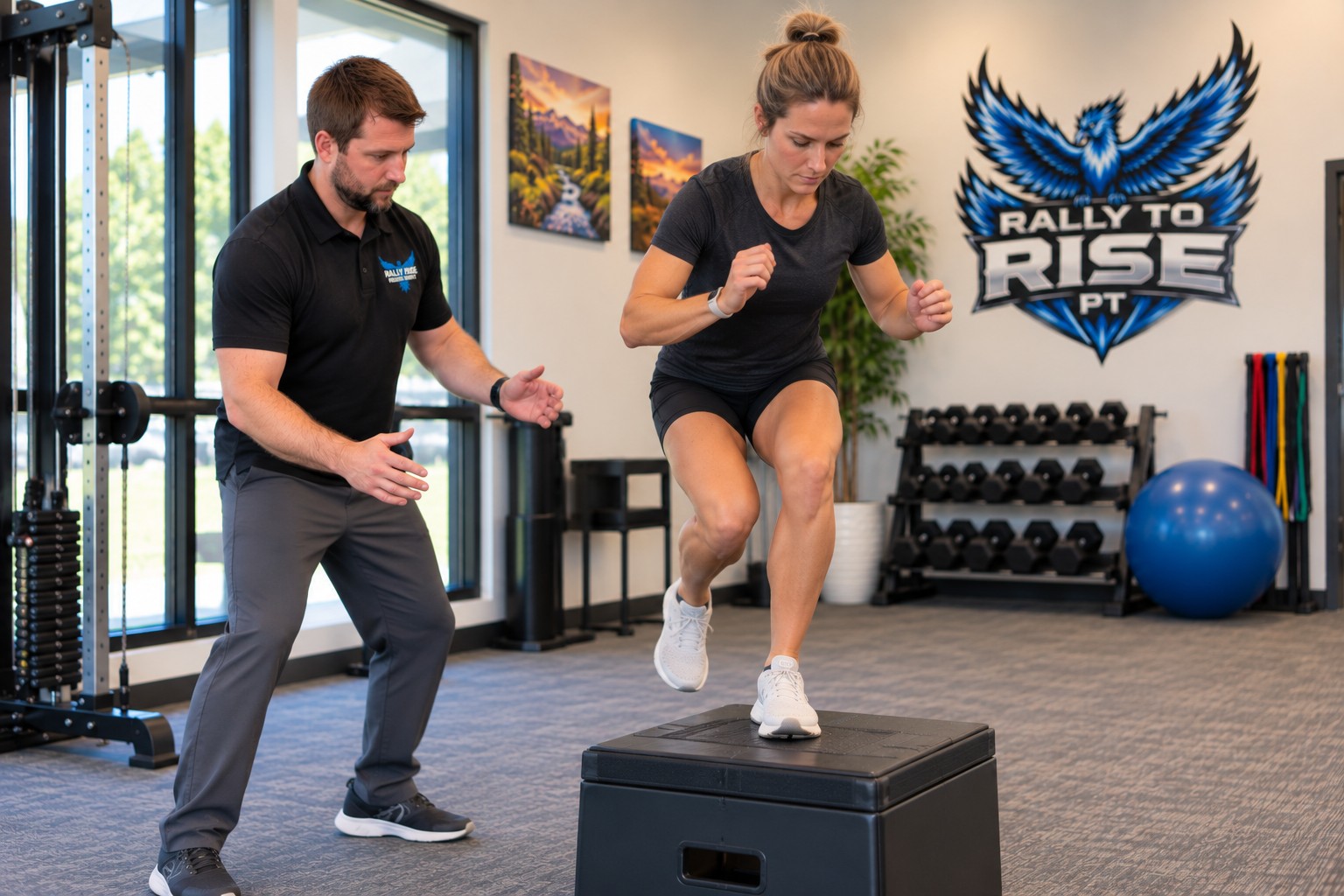
Returning to sports after an injury involves more than simply waiting for pain to go away. Athletes need to rebuild strength, endurance, balance, and confidence to handle the demands of their sport. Sports rehabilitation helps guide this process so you can progress toward full activity while reducing the risk of reinjury. Gradual Return to Activity: Returning to practice or competition too quickly can place excessive stress on healing tissues. Your therapist can help you gradually increase activity based on your symptoms, strength, mobility, and ability to perform sport-specific movements. Sport-Specific Training: Different sports require different physical abilities. Rehabilitation may include running, jumping, landing, cutting, pivoting, throwing, or agility drills to help prepare your body for the movements you'll encounter during your sport. Improving Movement Mechanics: How you land, change direction, accelerate, and decelerate can affect the forces placed on your joints and muscles. Working on movement control and technique can help improve performance and address factors that may contribute to recurring injuries. Building Strength and Confidence: An injury can leave athletes hesitant to move at full speed or perform certain activities. Progressive strengthening and functional training help rebuild physical capacity and confidence as you work toward returning to your previous activity level. Reducing the Risk of Future Injuries: Maintaining strength, mobility, balance, and coordination can help prepare your body for the demands of sports. Your therapist can recommend exercises and training strategies based on your sport, injury history, and individual needs. Knowing When You're Ready: Being pain-free is an important milestone, but it doesn't always mean you're ready for unrestricted sports participation. Your therapist can assess strength, movement quality, balance, and functional performance to help guide your return-to-sport progression in coordination with your medical team when needed. With a structured rehabilitation plan, athletes can work toward returning to their sport stronger, moving more confidently, and better prepared for the physical demands of competition.